Relocating to the Outer Banks requires understanding the unique coastal environment and local real estate dynamics. Kitty Hawk offers a distinct blend of year-round amenities and oceanfront living that appeals to a wide variety of buyers. Navigating this market successfully means looking beyond the scenery to evaluate practical factors like infrastructure and property taxes.
A successful purchase here requires a solid grasp of local property types, insurance requirements, and seasonal shifts. This guide covers everything you need to evaluate the current housing landscape and make an informed decision. Moving to Kitty Hawk NC involves specific financial and logistical considerations that differ significantly from inland markets.
Welcome to Kitty Hawk: An Overview of the Outer Banks
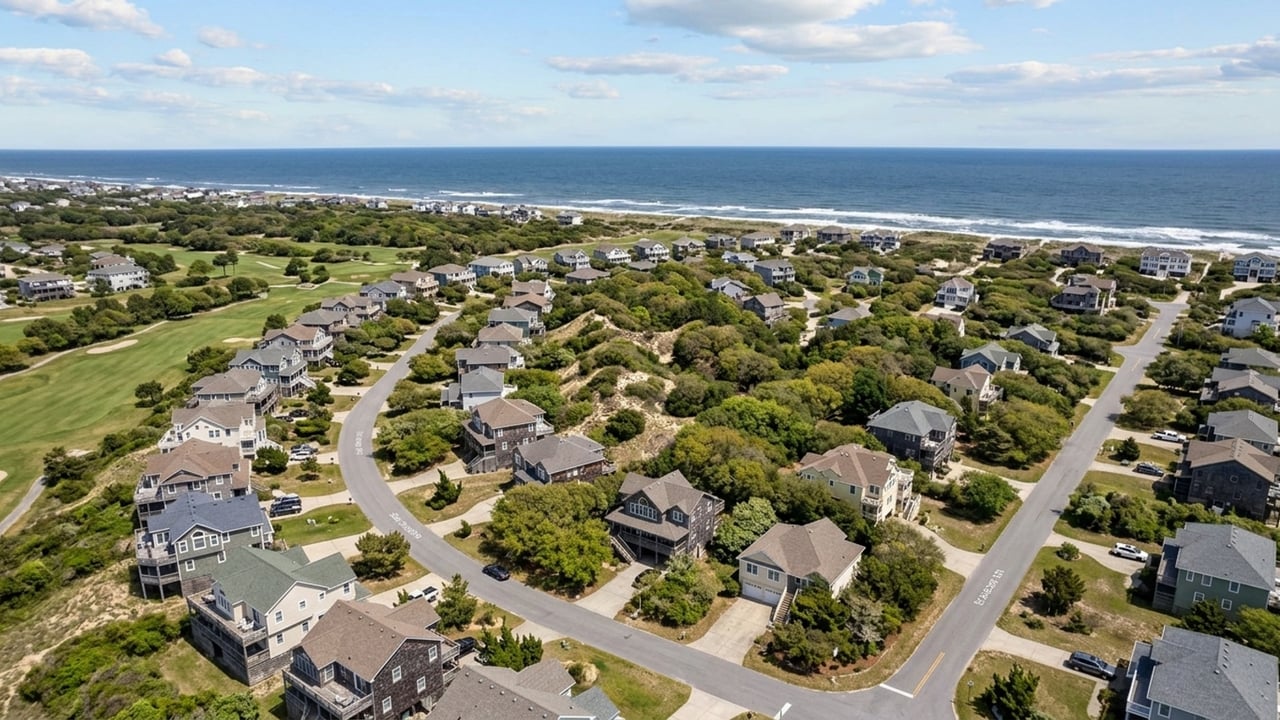
Kitty Hawk occupies a central location on the barrier islands along the Atlantic Coast. This positioning makes it a highly accessible entry point to the wider Outer Banks region. The geography here is narrow, meaning residents are rarely more than a few minutes from the water.
The town experiences a dramatic population shift between the quiet off-season and the peak summertime months. While the winter months offer a relaxed coastal pace for full-time residents, the summer brings a massive influx of tourists. This seasonal rhythm dictates everything from local business hours to traffic patterns.
Neighboring communities like Kill Devil Hills to the south and Southern Shores to the north are just minutes away. This proximity provides residents with easy access to a broader range of retail, dining, and essential services. The interconnected nature of these towns means you can easily utilize amenities across municipal borders.
Kitty Hawk NC Real Estate Market Trends and Property Types
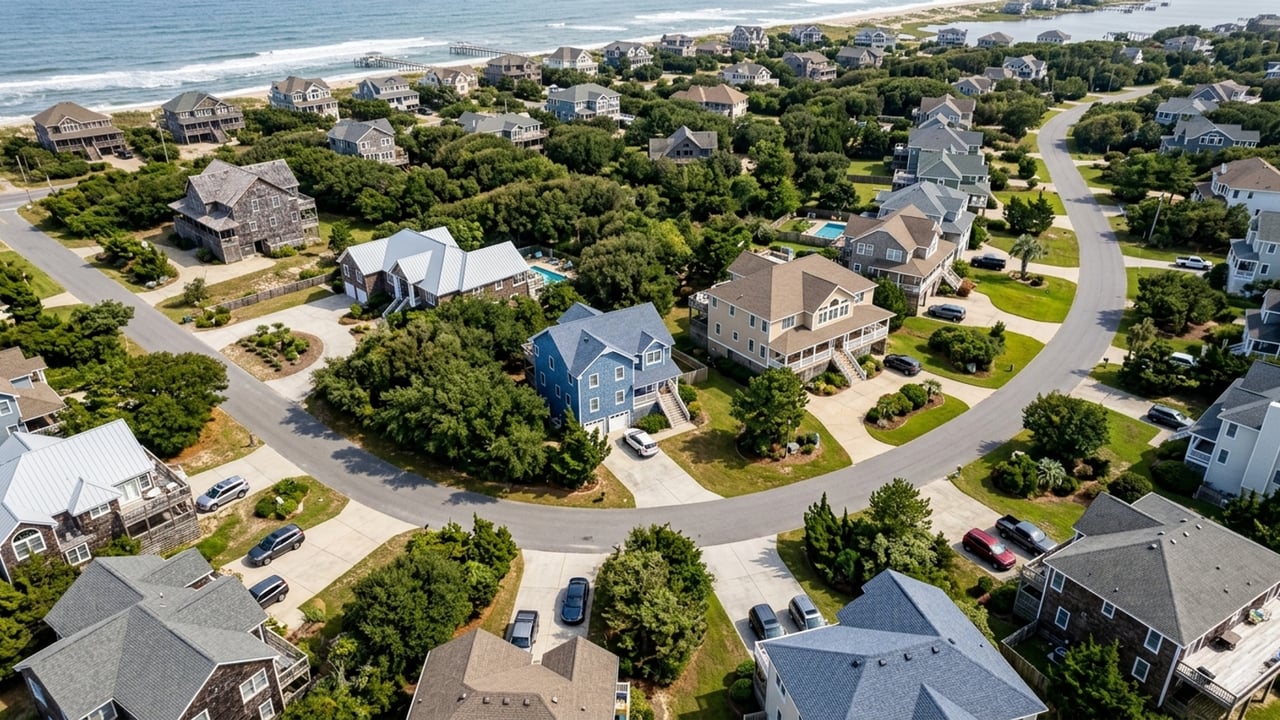
The 2026 housing market in Kitty Hawk remains highly segmented based on a property's distance from the ocean. Current median home prices generally range from roughly $505,000 for inland properties to well over $829,000 for prime coastal real estate. Buyers will find that proximity to the water is the single largest driver of property value.
Inventory levels currently available tend to fluctuate with the seasons, but overall purchasing power remains steady for prepared buyers. Average days on market have normalized compared to previous years, giving buyers slightly more time to evaluate options. However, properly priced homes in central locations still move quickly.
Understanding the local nuances between primary residences, vacation rentals, and real estate investing is crucial. Many buyers rely on local property management companies to generate income during the busy tourist season. The intended use of your property will heavily influence which neighborhood best suits your goals.
Oceanfront Homes and Condominiums
An oceanfront beach house represents the premium tier of local real estate, offering direct beach access and strong rental potential. These properties require rigorous maintenance due to constant exposure to salt, wind, and sand.
Condominiums provide a lower-maintenance alternative with shared amenities, though buyers must account for homeowner association dues. These attached units are scattered along the coastline and offer a streamlined path to homeownership for buyers prioritizing convenience.
Maritime Forest and Sound-Side Properties
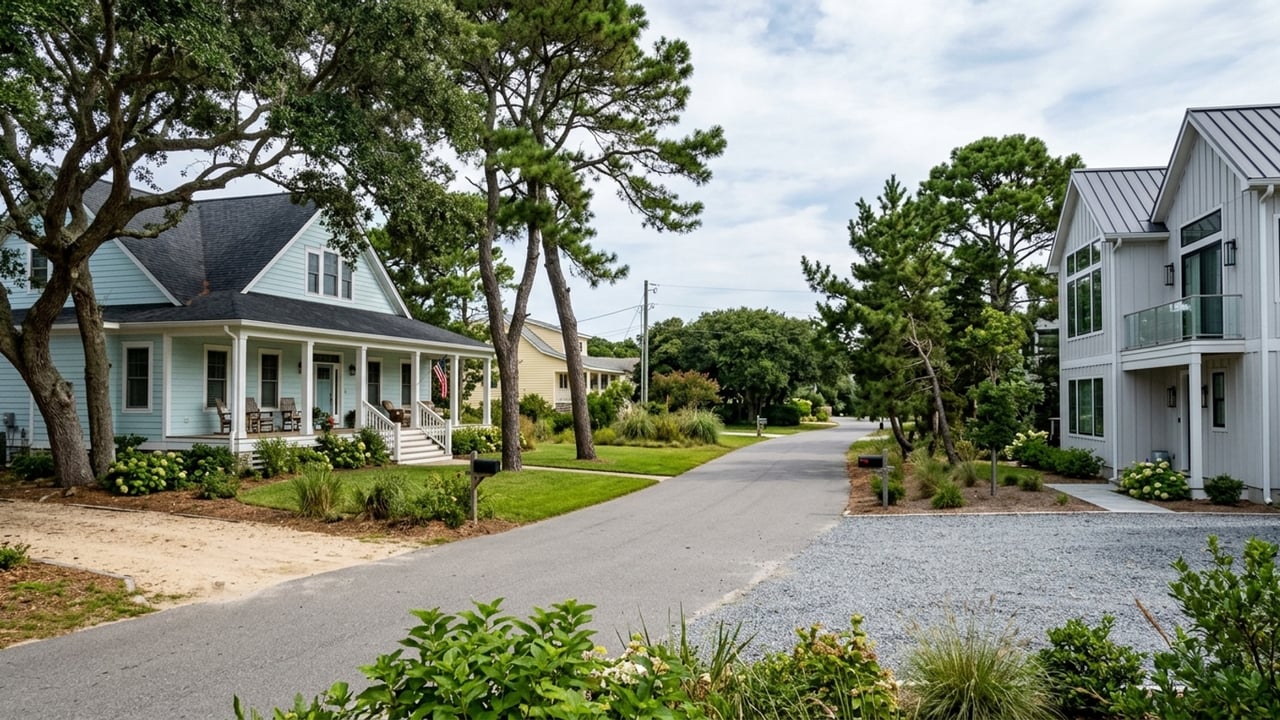
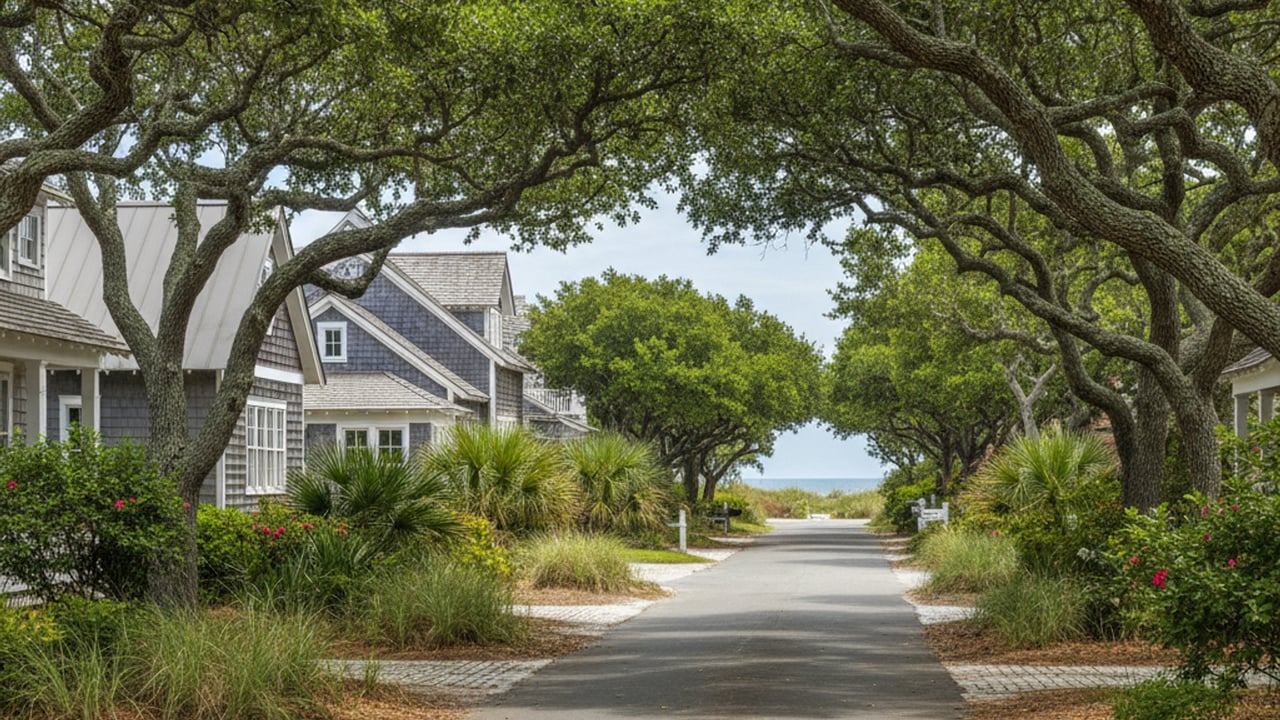
Moving away from the immediate coastline reveals a completely different living environment nestled within the maritime forest. These sound-side properties offer natural wind protection and a distinct, wooded atmosphere away from the busy tourist corridors.
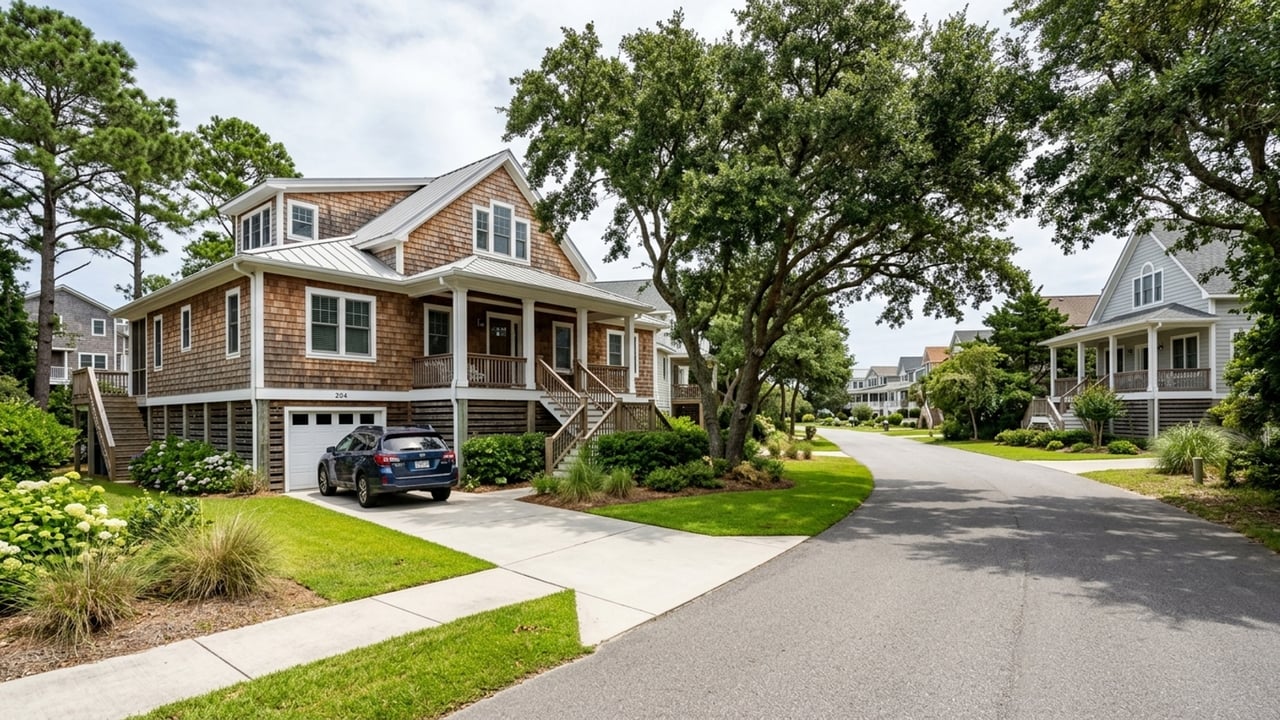
Homes in these areas typically feature larger lots and varied architectural styles. Buyers looking for a traditional residential feel often focus their search on these sheltered, inland neighborhoods.
Cost of Living and Dare County Property Taxes
Evaluating the overall cost of living here requires looking beyond the initial purchase price and standard utility expenses. Coastal homeownership involves specific ongoing costs that inland buyers often overlook. Factoring these expenses into your budget early prevents surprises after closing.
Dare County property taxes are notably reasonable compared to national averages. The 2025-2026 property tax rate sits at an approximate $0.2632 per $100 of assessed value. This relatively low tax burden helps offset some of the higher costs associated with coastal living.
However, buyers must factor in the upfront and ongoing costs of specialized insurance policies. Separate wind and flood insurance are essential services for barrier island properties, heavily impacting your total monthly housing budget. Securing quotes for these policies during your due diligence period is highly recommended.
Current interest rates and local closing costs also shape the financial reality for first time home buyers. Working closely with a local lender helps clarify exact debt-to-income requirements and expected upfront expenses. A local mortgage professional will also understand the specific appraisal requirements for coastal properties.
Dare County Schools Serving Kitty Hawk
The public education infrastructure is a major consideration for many buyers relocating to the area. Students living in town are served by the Dare County Schools district, which maintains facilities across the central Outer Banks. The district provides comprehensive academic and extracurricular programs.
Kitty Hawk Elementary serves as the primary K-5 institution for the immediate area. This school provides the foundational academic programs for younger residents before they transition to secondary education. The campus is centrally located, making morning drop-offs convenient for most local neighborhoods.
Older students progress to First Flight Middle School and First Flight High School, both located in neighboring Kill Devil Hills. The district is known for specialized academic offerings, including dual-language immersion programs that begin in the elementary years. These facilities also serve as community hubs for local sporting events and arts performances.
Public Parks, Beach Access, and Local Amenities
The town maintains a robust network of outdoor recreation spaces and essential facilities. Public beach access points are distributed evenly along the shoreline, complete with parking and bathhouses at select locations. These access points ensure that even residents living inland can easily reach the ocean.
Beyond the sand, residents enjoy extensive natural reserves and well-maintained public parks. These areas offer miles of biking trails, kayaking launches, and scenic walking paths through diverse coastal ecosystems. The local government places a strong emphasis on preserving these natural spaces for public use.
Access to quality health care is another strong point for the central Outer Banks. The Outer Banks Hospital in Nags Head provides comprehensive medical services and emergency care just a short drive away. This facility ensures that residents do not have to travel to the mainland for standard medical procedures.
Here are a few notable amenities and attractions that define the local lifestyle. These locations provide consistent recreation options throughout the year:
- Kitty Hawk Woods Coastal Reserve: A massive protected maritime forest offering miles of shaded hiking and biking trails.
- Sandy Run Park: A scenic recreational area featuring wooden boardwalks, fishing spots, and picnic pavilions.
- Wright Brothers National Memorial: A major historical attraction located just south in Kill Devil Hills.
Transportation Infrastructure and Commute Times
Navigating the Outer Banks relies heavily on two main north-south arteries that run parallel through town. US-158, locally known as the Croatan Highway or the Bypass, handles the bulk of commercial traffic and higher-speed travel. This multi-lane road is the primary route for reaching grocery stores, hardware centers, and major retail outlets.
NC-12, commonly referred to as the Beach Road or Virginia Dare Trail, offers a slower, scenic route directly adjacent to the oceanfront. Choosing which road to live near significantly impacts your daily commute and ease of access to local retail. The Beach Road is highly pedestrian-friendly but prone to occasional overwash during severe storms.
Seasonal traffic variations dramatically alter travel times during the summer months. Weekend congestion at the intersection of US-158 and NC-12 can cause delays of two to five hours during peak vacation rental check-in windows. Residents quickly learn to schedule their errands around these predictable traffic patterns.
During normal conditions, average commute times to local hubs like Nags Head are under twenty minutes. Regional drives to major metropolitan areas like Norfolk, Virginia or Raleigh-Durham take roughly two and three hours respectively. This makes weekend trips to larger cities entirely manageable for full-time residents.
Frequently Asked Questions About Moving to Kitty Hawk NC
What is the median home price in Kitty Hawk in 2026?
In 2026, median home prices range from roughly $505,000 for inland properties to over $829,000 for oceanfront homes. Exact pricing depends heavily on the property type, lot size, and proximity to the water.
How are property taxes calculated in Dare County?
Dare County calculates property taxes based on the assessed value of the home and land. The 2025-2026 tax rate is approximately $0.2632 per $100 of assessed value, making it relatively competitive for a coastal region.
Is it better to live on the Beach Road or the Bypass?
Living on the Beach Road offers immediate walking access to the ocean but comes with higher exposure to coastal weather. The Bypass provides faster commute times and easier access to retail centers, appealing heavily to year-round residents.