Crossing the Wright Memorial Bridge brings you directly into Kitty Hawk, a coastal town that serves as the northern entry point for the Outer Banks. Buyers looking at this market will find a compelling mix of oceanfront vacation properties and quiet residential streets tucked into the maritime forest. Understanding the distinct zones within this town is crucial for making a sound investment decision in 2026.
The local housing landscape offers distinct options depending on your goals, ranging from seasonal rental operations to permanent coastal living. Knowing the nuances of the local tax rates, highway systems, and zoning will give you a distinct advantage as a buyer.
Welcome to Kitty Hawk: The Gateway to the Outer Banks
Kitty Hawk occupies a strategic geographical position as one of the first towns you enter when driving onto the Outer Banks. This location provides immediate access to the shoreline without the extended drive required to reach the southern island towns.
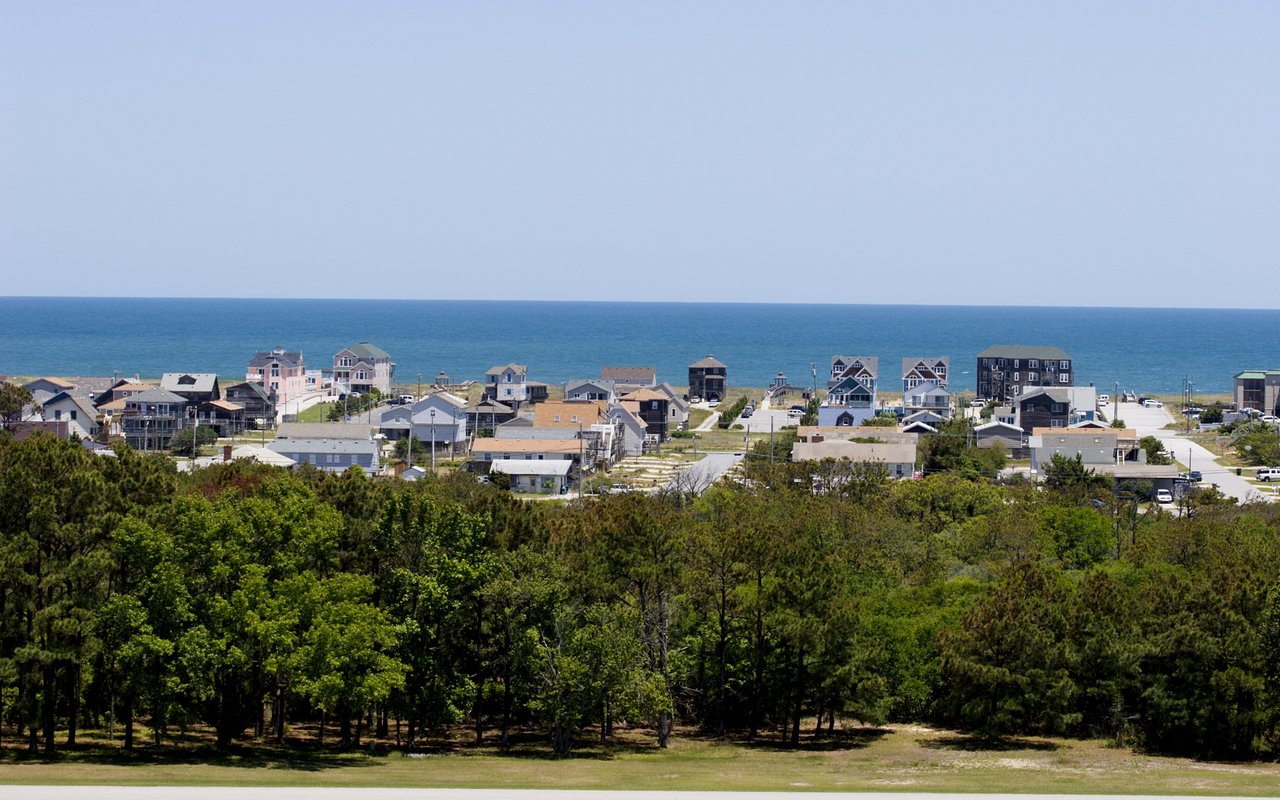
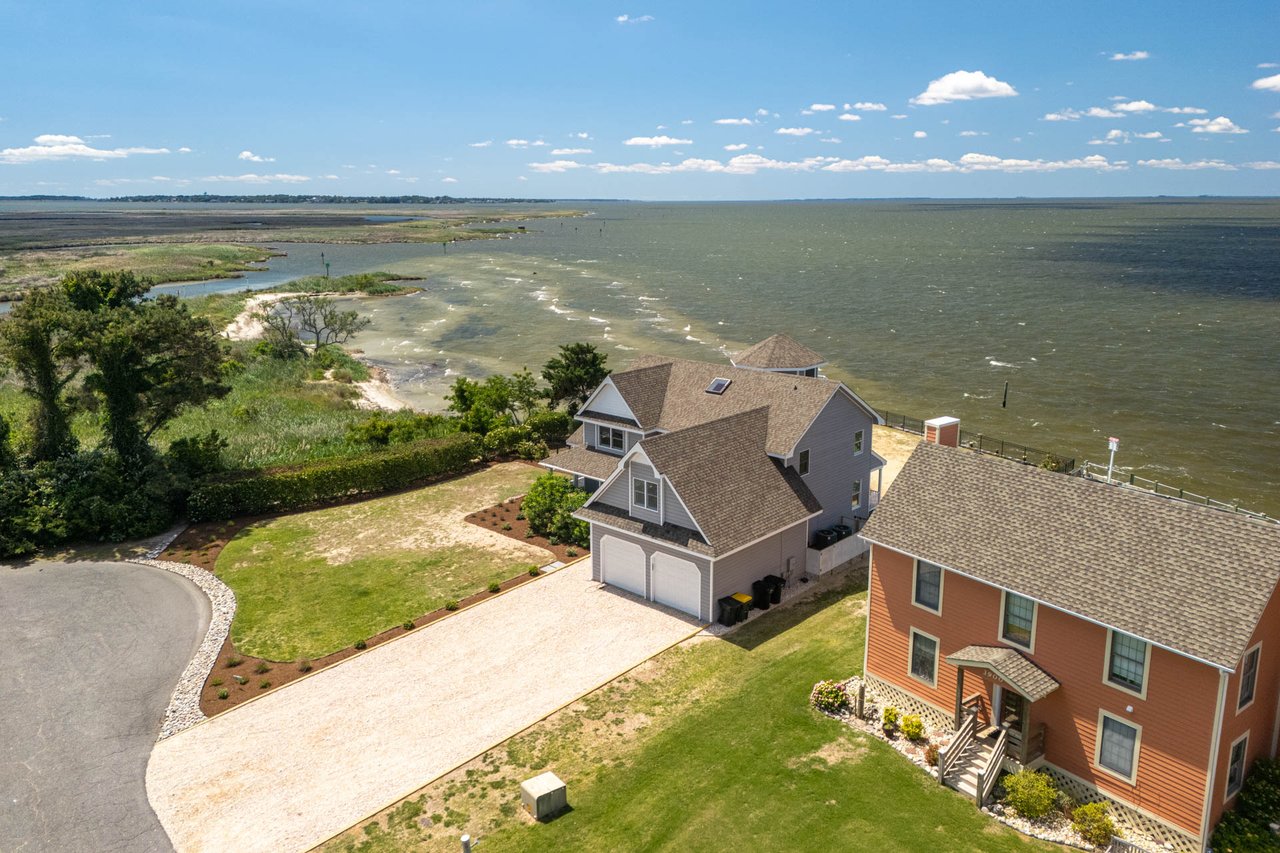
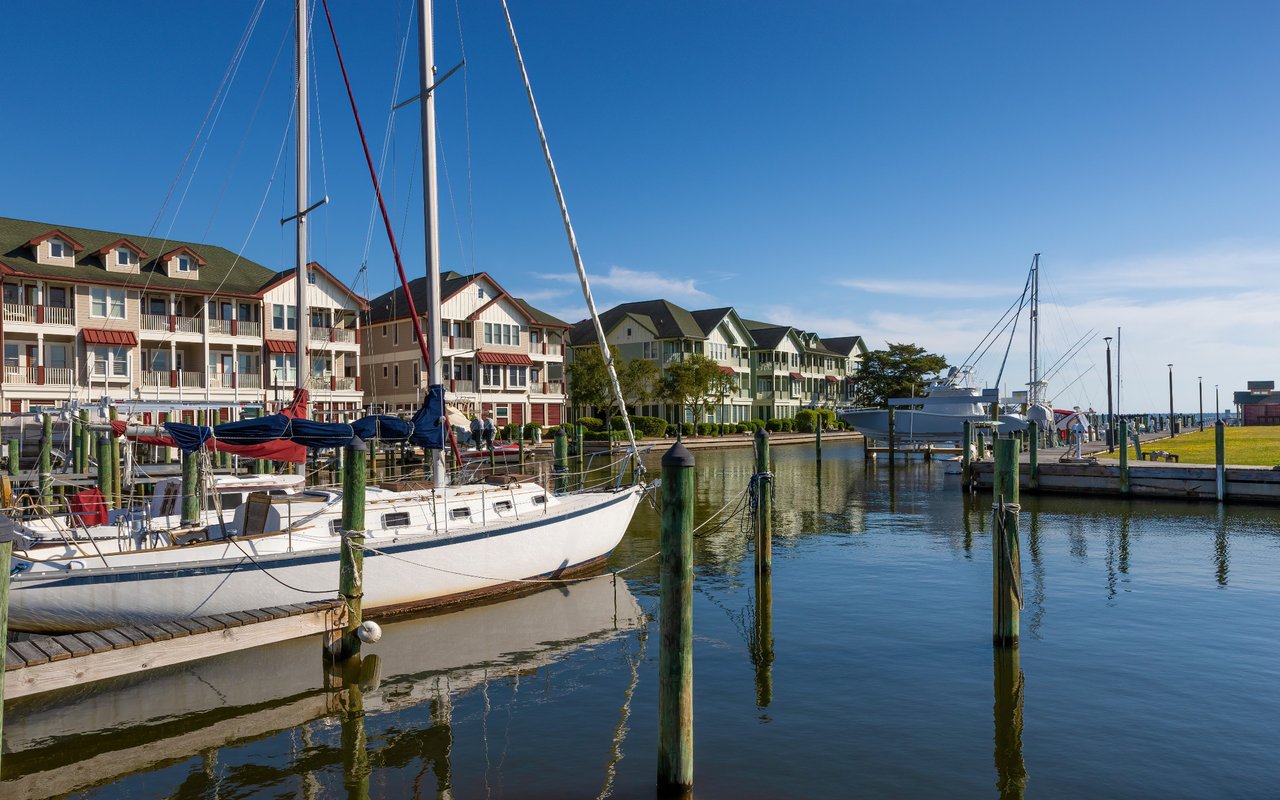
The town is geographically split by major roadways, creating distinct environments for property owners. Properties on the eastern side offer direct beach access and heavy seasonal foot traffic. Homes situated on the western side border the Currituck Sound and dense woodland areas, offering a completely different coastal experience.
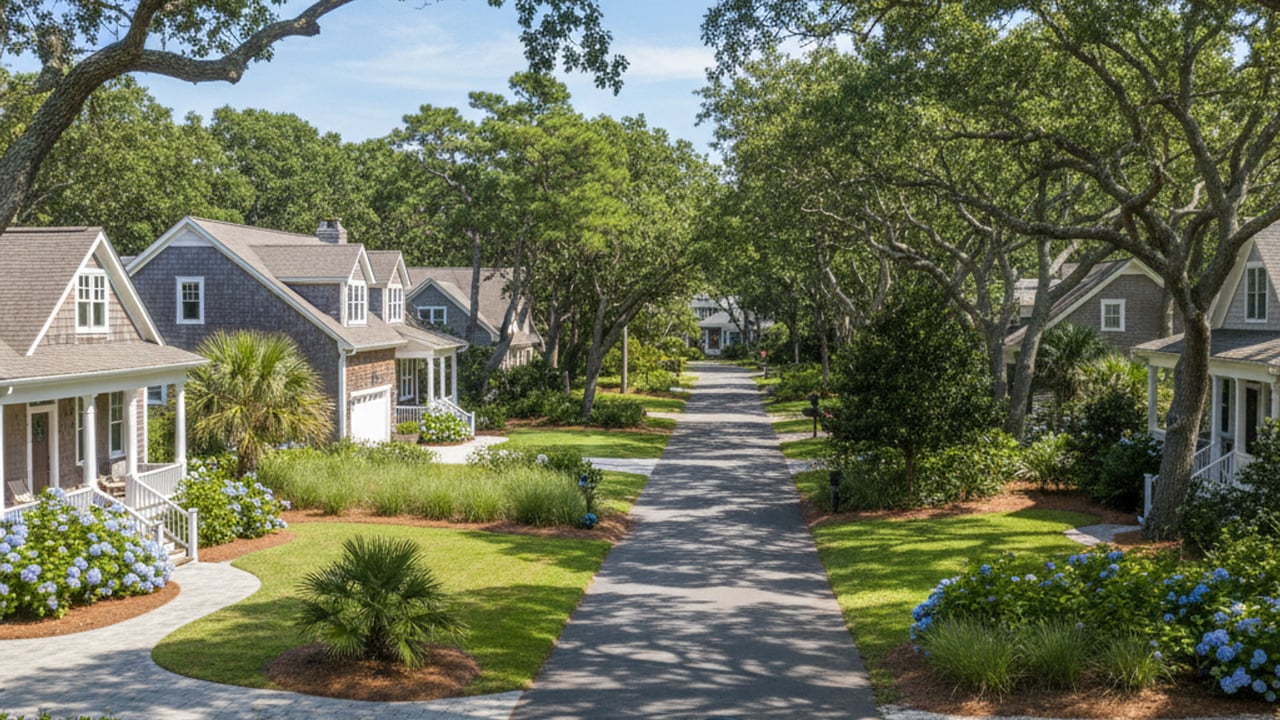
Navigating the Kitty Hawk market requires an understanding of how these geographical divides impact property utility and value. Buyers prioritizing rental income generally target the ocean-side corridors. Those looking for primary residences often find better long-term value nestled within the inland maritime forest.
Current Real Estate Market Trends in Kitty Hawk
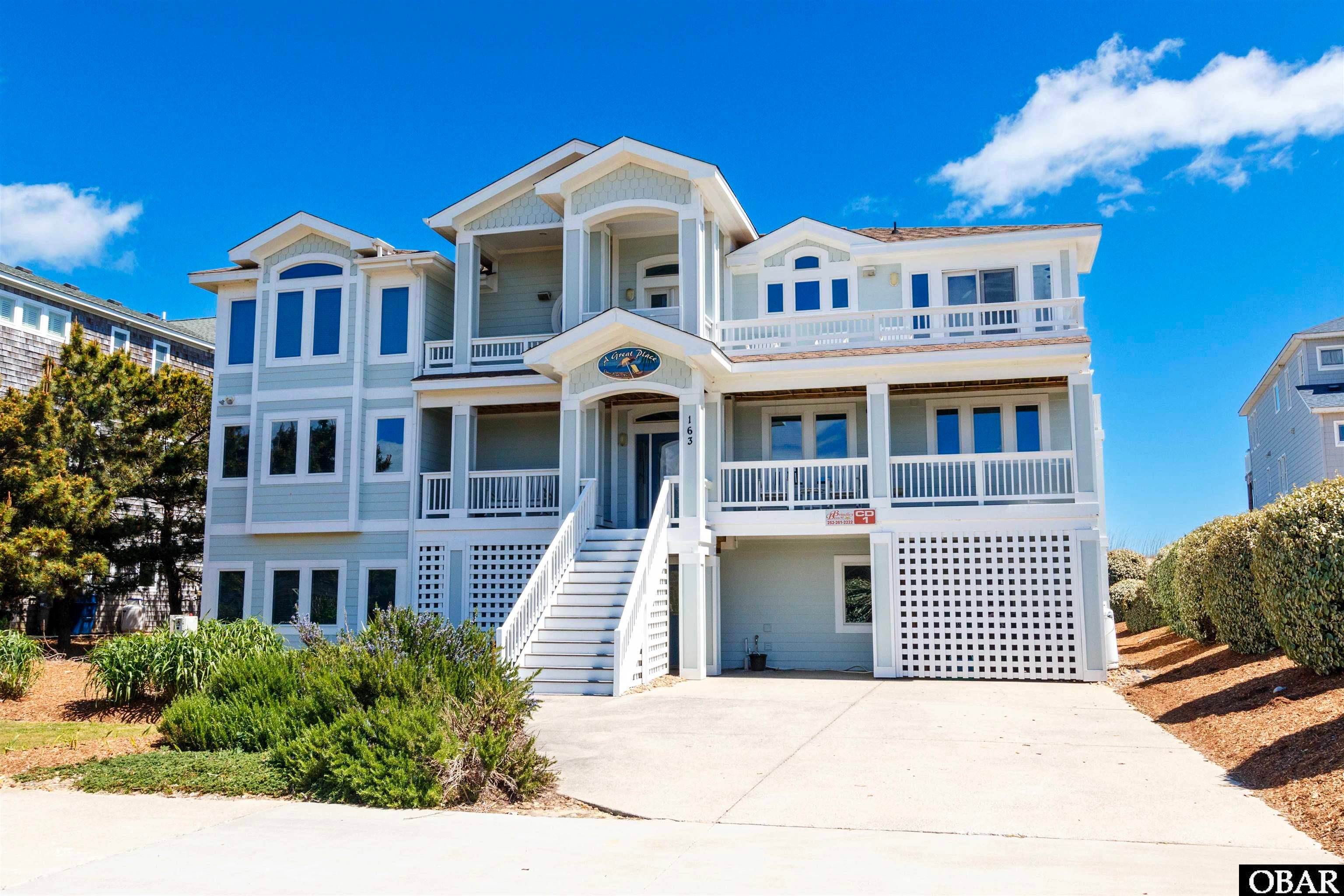
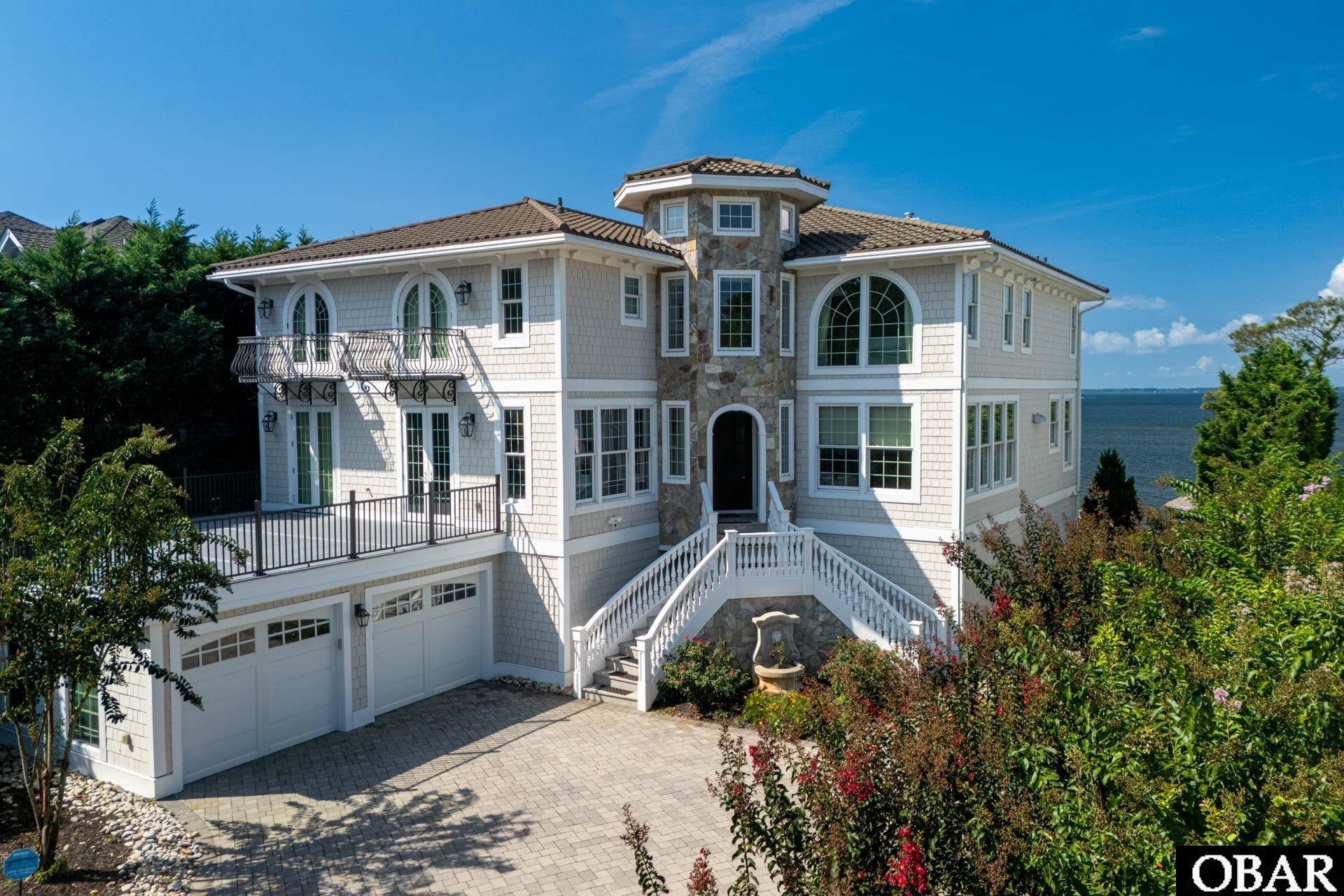
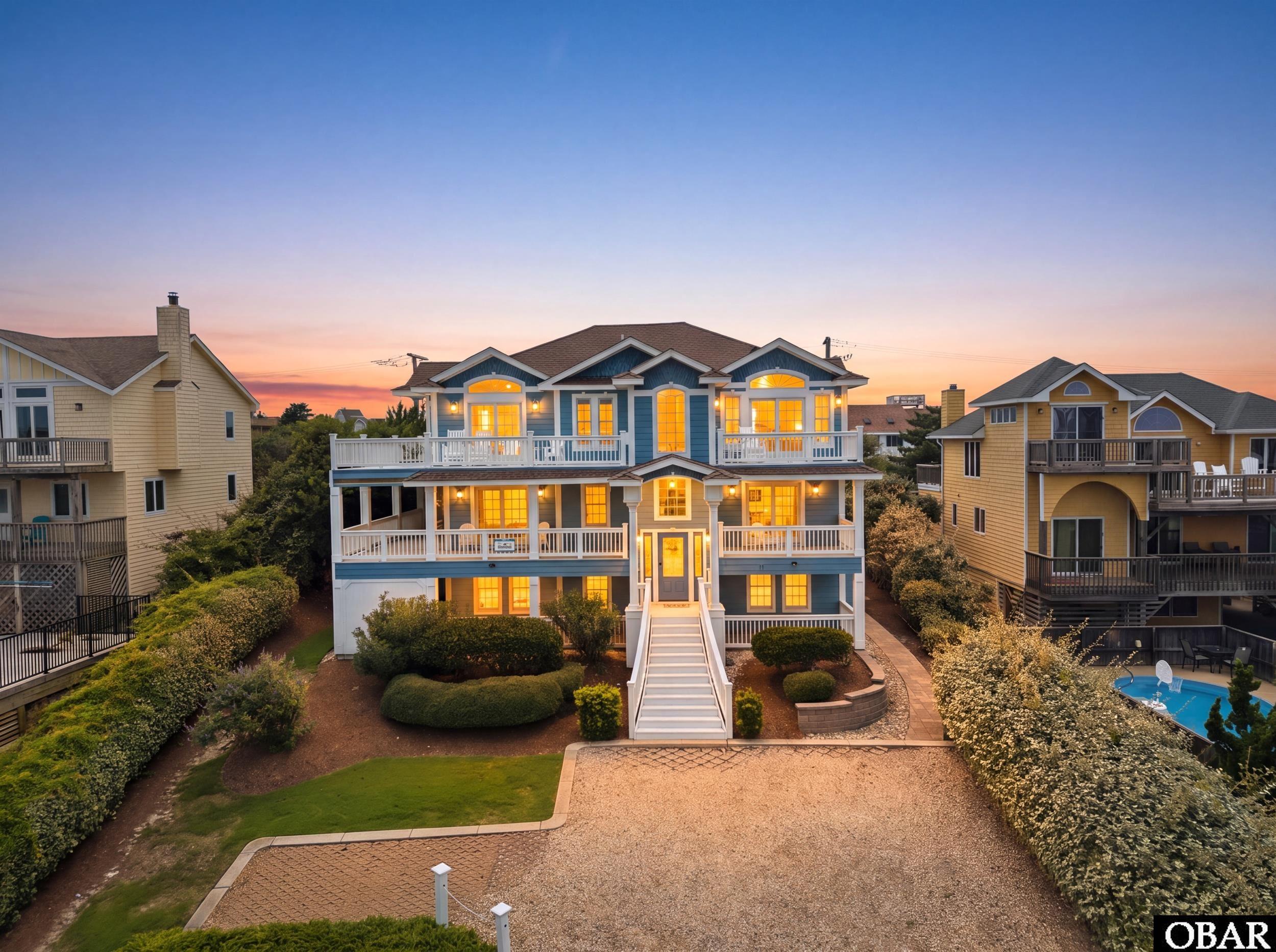
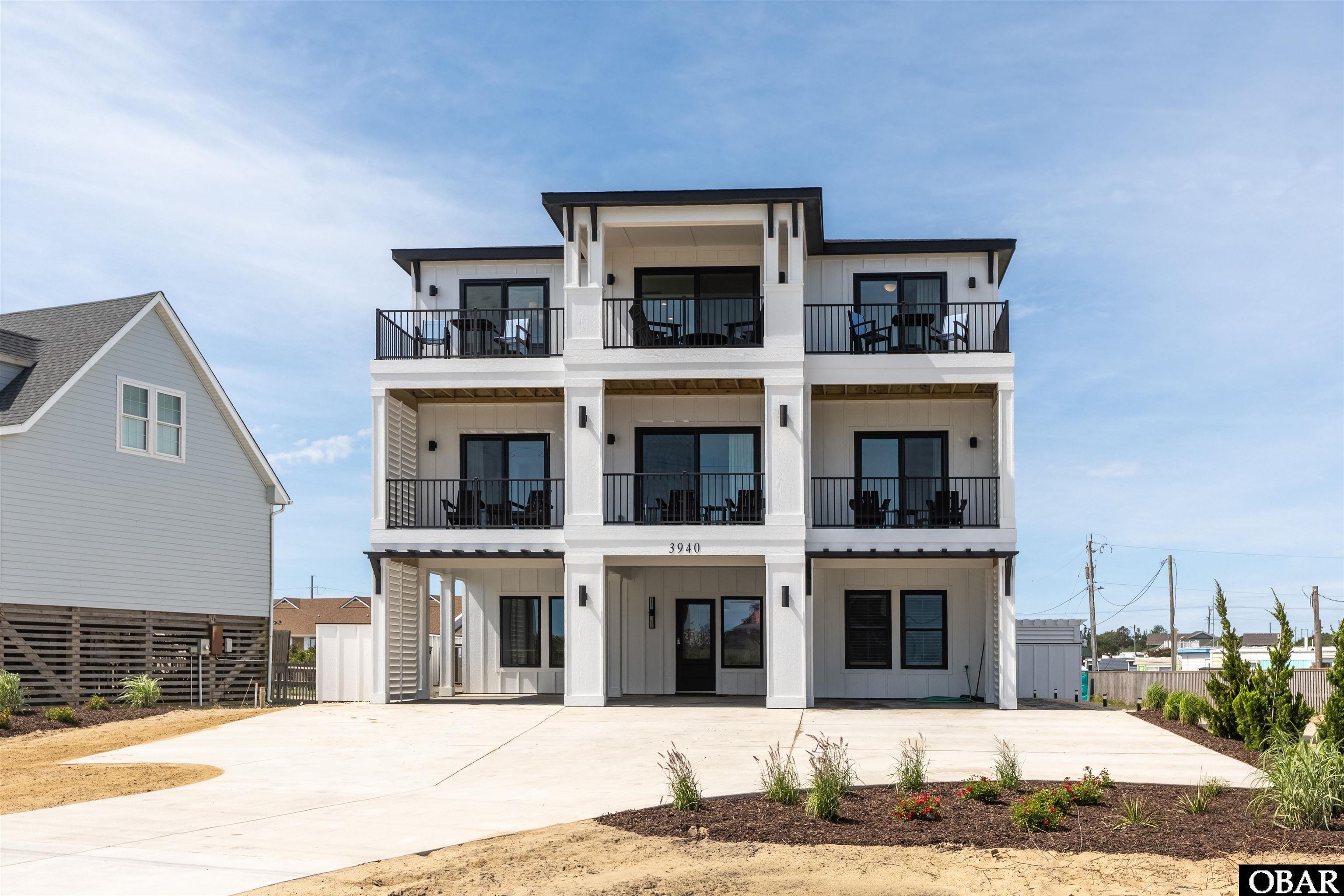
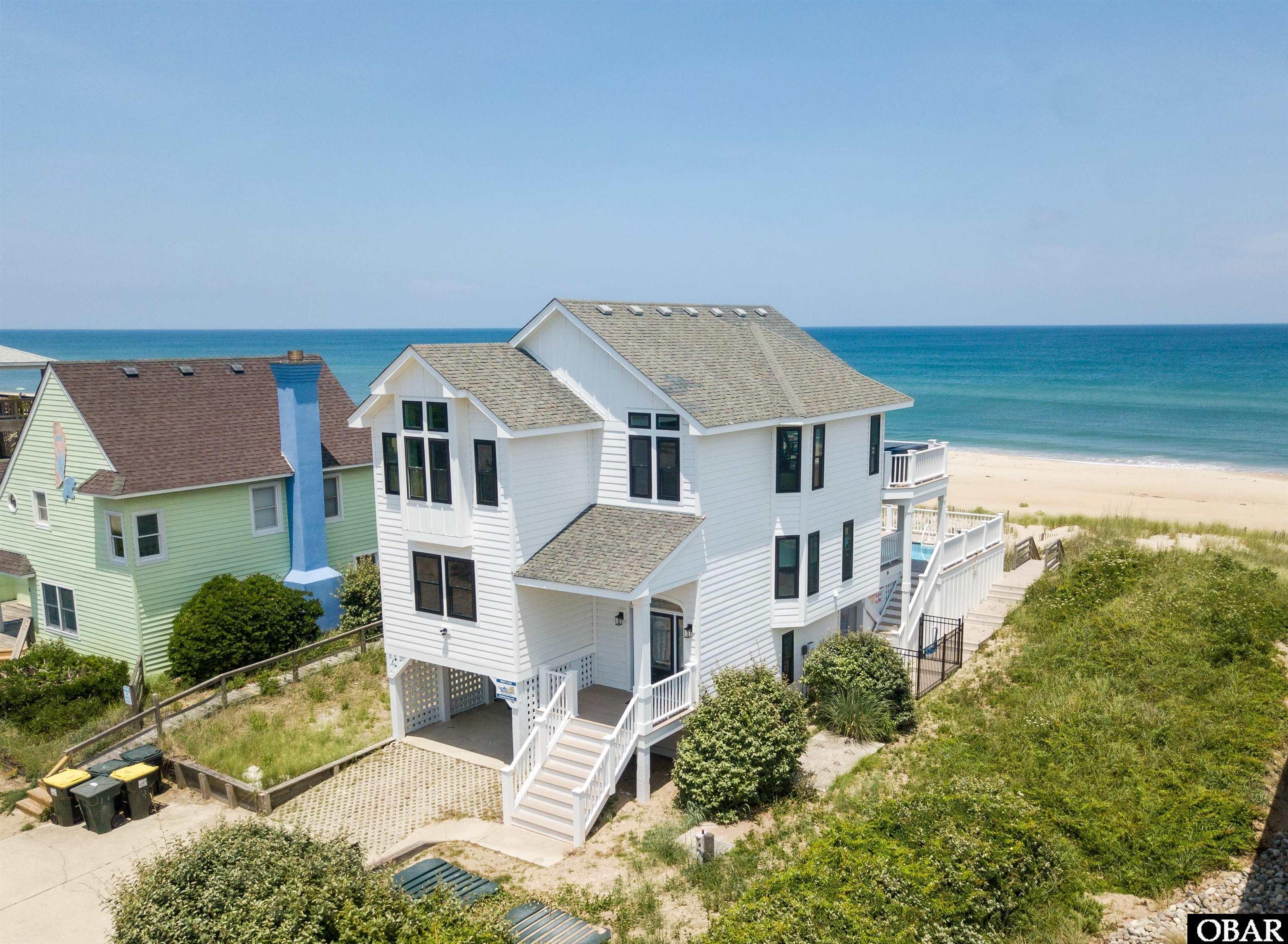
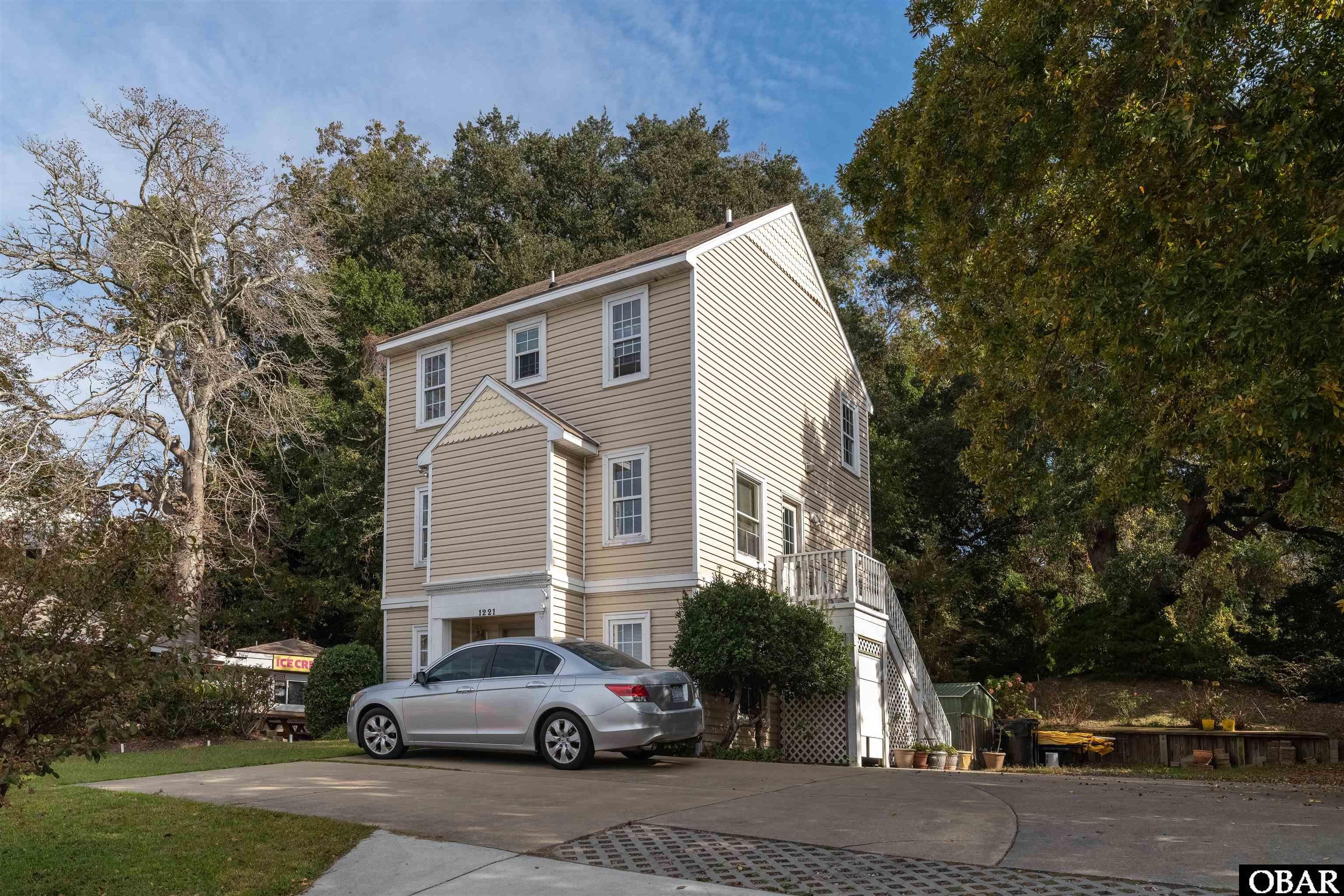
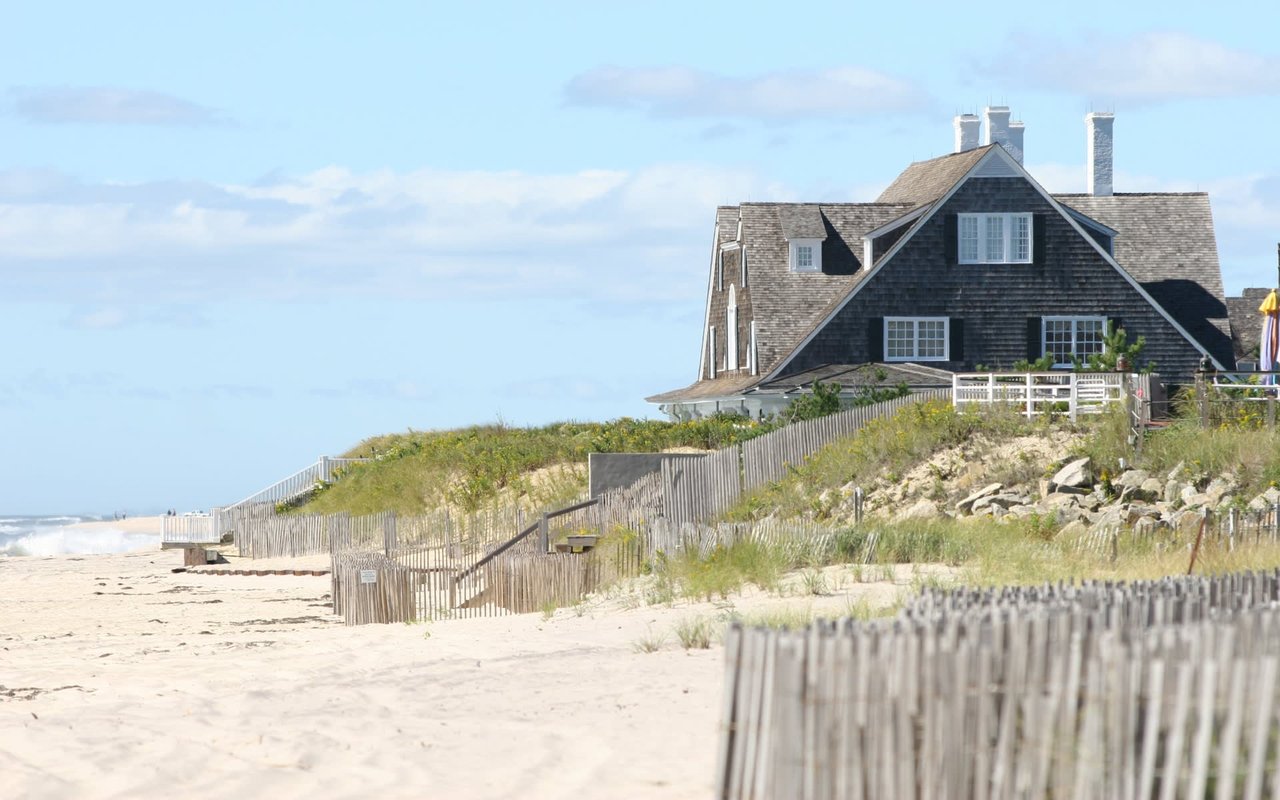
The 2026 housing market in Kitty Hawk features a diverse inventory of property types catering to different investment strategies. Buyers will find classic stilted vacation rentals lining the beachfront, while traditional single-family houses dominate the inland streets closer to the maritime forest. Average home prices currently range between $550,000 and $800,000 across the town.
Oceanfront properties command premium prices well above the average due to their high vacation rental earning potential. Inland properties provide more square footage per dollar and generally incur lower insurance premiums. The smartest move for a buyer focused on primary residence value is to target the elevated lots west of the main highway.
Local property taxes are a critical factor in carrying costs, with Kitty Hawk maintaining a median effective tax rate of approximately 0.67%. The 2025 Dare County property revaluation significantly increased assessed home values across the region. County officials subsequently lowered the baseline tax rate to achieve a revenue-neutral transition, keeping overall tax bills relatively stable for current owners.
Public Beach Accesses and Local Parks
Outdoor amenities in Kitty Hawk extend far beyond the immediate shoreline. The Kitty Hawk Woods Coastal Reserve serves as a massive natural anchor for the town, spanning roughly 1,600 acres of protected land. This reserve features extensive marshland, miles of hiking trails, and a dense maritime forest that completely changes the coastal landscape.
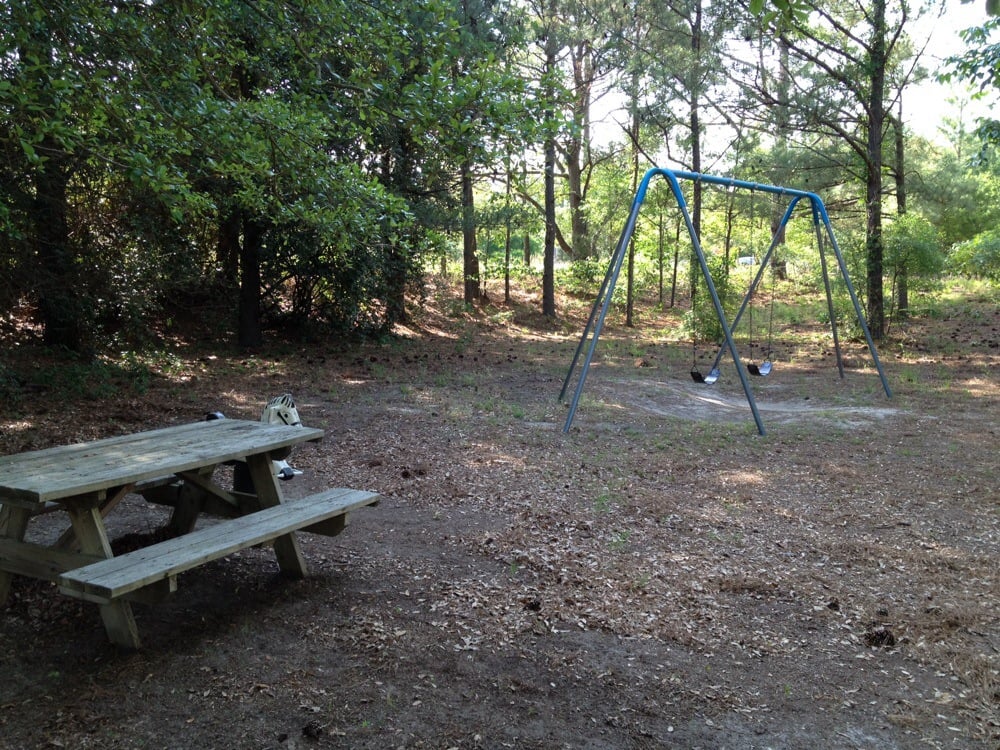
Sandy Run Park provides another excellent outdoor resource for residents on the western side of town. This park is a prime location for kayaking, walking the boardwalks, and observing coastal wildlife in a preserved habitat. Access to these sound-side parks adds significant value to inland properties that do not have direct ocean views.
The town maintains multiple public beach accesses along the oceanfront, ensuring residents and visitors can easily reach the sand. Many of these access points feature dedicated parking lots, and designated swimming areas have a lifeguard on duty during the peak summer months. Local landmarks like the historic fishing pier remain popular spots for surfing and surf fishing throughout the year.
Dare County Schools Serving Kitty Hawk
Public education in this area is managed by the Dare County Schools district, which serves the entire Outer Banks region. School assignments depend on the specific location of the property, but the district maintains a streamlined feeder system.
Younger students living in the area typically attend Kitty Hawk Elementary School, located conveniently within the town limits. For secondary education, students commute slightly south to attend First Flight Middle School and First Flight High School. Both of these secondary facilities are located in the neighboring town of Kill Devil Hills.
The district benefits from close proximity to significant historical and ecological resources that enhance the curriculum. Teachers frequently utilize local landmarks like the Wright Brothers National Memorial for educational enrichment. Access to these unique coastal environments provides hands-on learning opportunities that standard inland districts cannot replicate.
Commute Times, Major Highways, and Healthcare Access
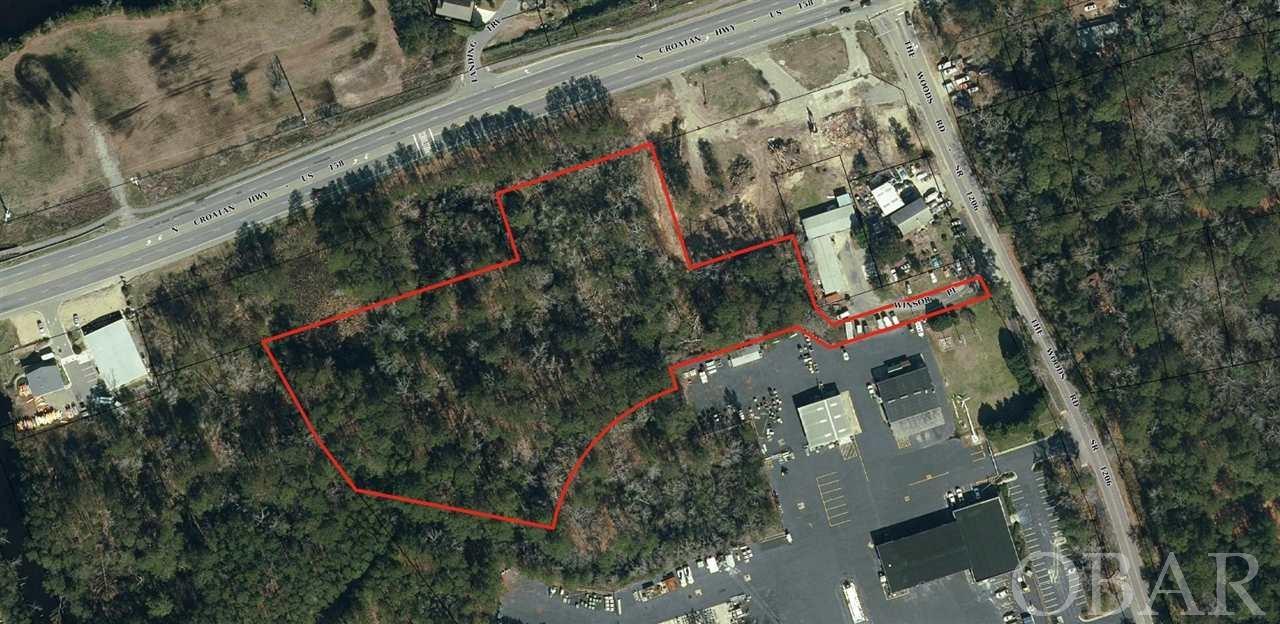
Transportation in Kitty Hawk relies on two primary arteries that run parallel down the coastline. US Route 158, known locally as the Croatan Highway, handles bulk commercial traffic and serves as the main corridor for daily errands. NC Highway 12, or the Virginia Dare Trail, runs directly along the beach and facilitates slower, scenic travel.
Navigating between the Outer Banks towns is relatively straightforward outside of peak summer traffic windows. A typical commute to Southern Shores to the north takes less than ten minutes under normal conditions. Driving south to Nags Head generally requires a 15-minute trip down US Route 158.
Healthcare accessibility is a major consideration for buyers moving to a barrier island. The Outer Banks Hospital Urgent Care Center is located directly in Kitty Hawk, providing immediate attention for minor medical needs. Comprehensive medical services and emergency care are available at The Outer Banks Hospital, located approximately 12 miles south in Nags Head.
Frequently Asked Questions
Are pets allowed on the beach in Kitty Hawk, NC?
Dogs are permitted on the public beaches in Kitty Hawk throughout the entire year. Owners must keep their pets on a leash not exceeding 6 feet during the peak summer hours between 10:00 AM and 6:00 PM. From the day after Labor Day until the Friday before Memorial Day, dogs may be off-leash if they remain under strict voice control.
Can I drive on the beach in Kitty Hawk, NC?
Driving on the beach is strictly prohibited within the Kitty Hawk town limits at all times. Buyers looking for off-road beach access will need to drive south to the Cape Hatteras National Seashore or north to the 4x4 beaches of Carova. The town prioritizes pedestrian safety and environmental preservation for its 4 miles of shoreline.
Are beach bonfires allowed in Kitty Hawk?
Open fires and beach bonfires are not permitted anywhere on the beaches of Kitty Hawk. The town enforces this rule year-round to protect the fragile dune ecosystems and surrounding residential properties. Visitors seeking a beach fire experience must travel south to Nags Head, where permits are issued based on daily wind conditions.