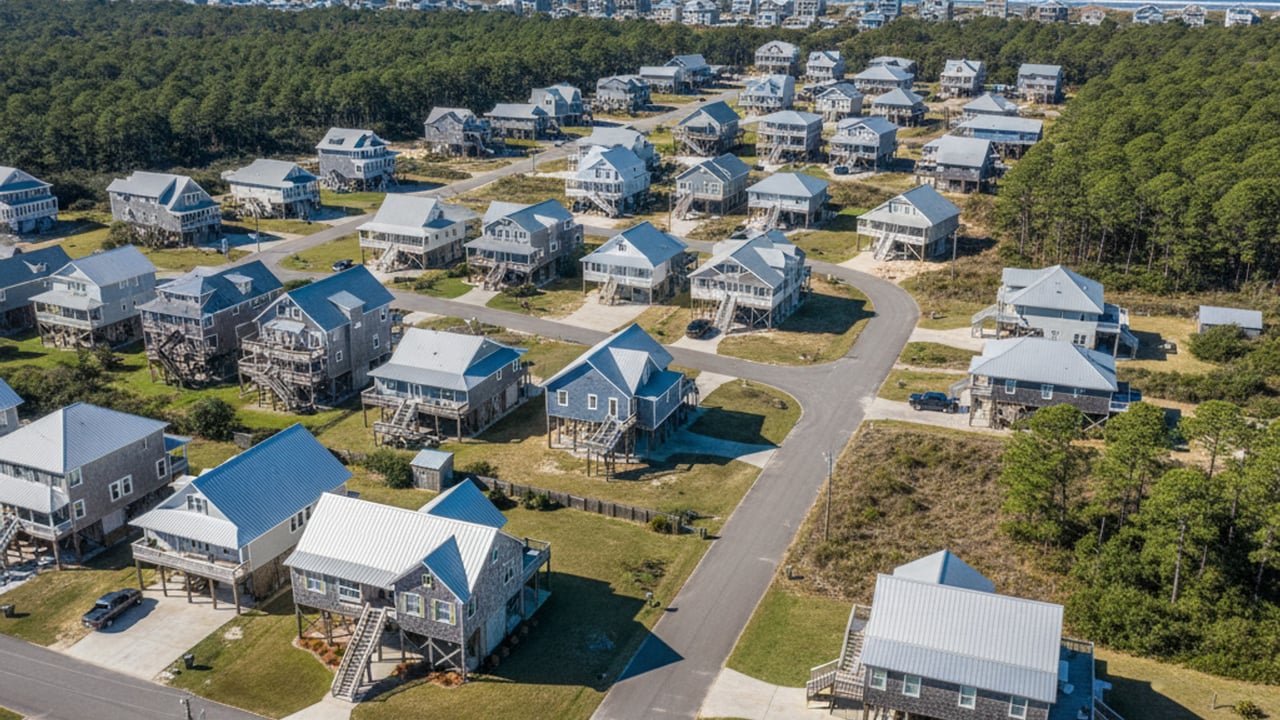
Purchasing a property on the Outer Banks requires more than just finding the right floor plan or the perfect waterfront view. Buyers looking at Kitty Hawk must understand how the coastal environment dictates daily life, long-term property maintenance, and overall cost of ownership. The barrier island setting offers incredible access to the Atlantic Ocean, but it also brings unique environmental factors that inland buyers rarely encounter.
Factoring in the local forecast and historical climate data is an essential part of the real estate process here. The elements play a major role in everything from securing a mortgage to planning annual upkeep budgets. Understanding these patterns helps buyers make informed, confident decisions when evaluating potential investments along the coast.
Understanding the Weather and Climate in Kitty Hawk, NC
Kitty Hawk features a humid subtropical coastal climate that directly shapes the local environment and the lifestyle of its residents. The presence of the Atlantic Ocean to the east and the Albemarle Sound to the west acts as a natural temperature regulator. This geographic positioning helps keep extreme temperature swings at bay throughout the year, preventing the bitter cold found further inland.
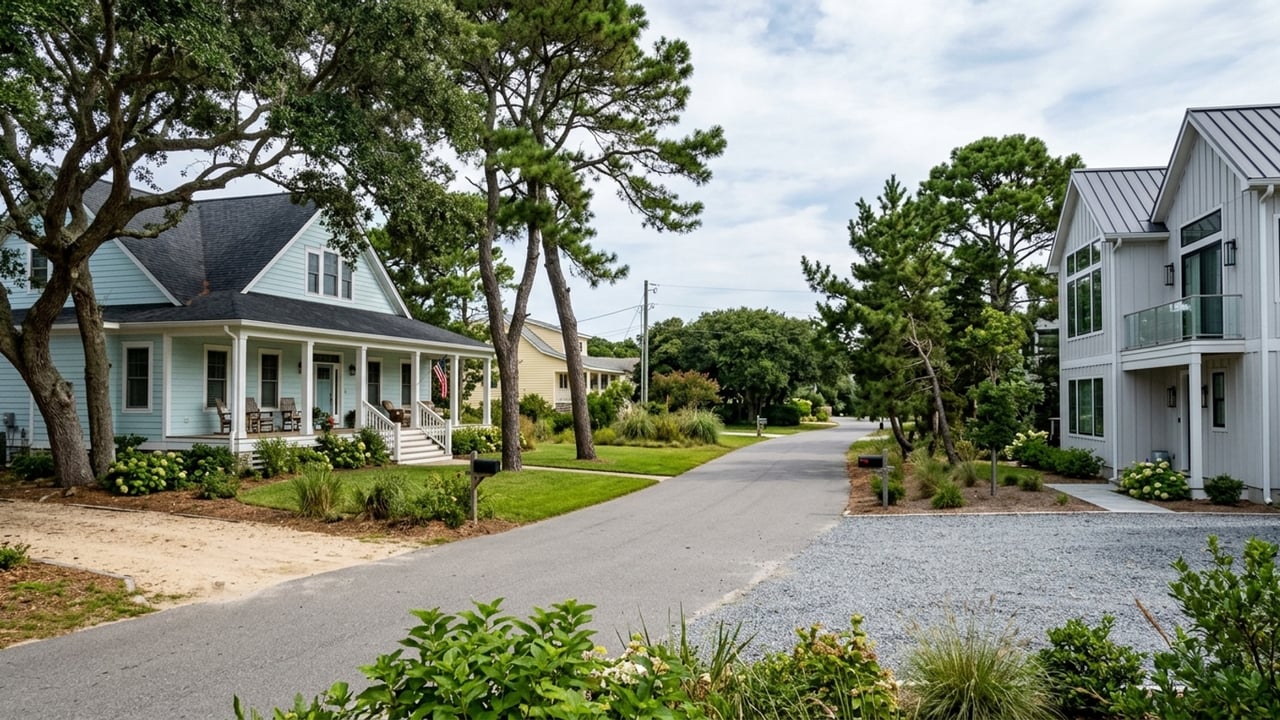
Constant breezes off the water provide welcome relief during the warmer months and keep the coastal air moving. The area receives an average annual rainfall of approximately 49 inches, which sustains the lush maritime forests found slightly inland from the dunes. This consistent moisture is vital for the local ecosystem, though it requires homeowners to stay vigilant about exterior home maintenance.
Buyers will find that the general balance between warm summers and mild winters makes year-round coastal living highly appealing.
Seasonal Weather Patterns for Residents
Summer conditions bring plenty of mostly sunny days, with July standing as the warmest month of the calendar year. Average high temperatures hover around 86 degrees Fahrenheit, creating ideal conditions for beach recreation and water sports. The chance of precipitation increases notably in August, often bringing a quick afternoon thunderstorm that clears out just as fast as it arrives.
Winter weather is generally mild compared to inland regions, though skies can occasionally turn mostly cloudy during frontal passages. January is the coldest month, featuring average lows around 36 degrees Fahrenheit and brisk winds off the water. Residents typically swap their beach gear for light jackets, enjoying the quieter atmosphere that settles over the island.
Snow is a rarity on this stretch of the coast, with the area averaging less than two inches of annual snowfall.
How the Coastal Climate Impacts Kitty Hawk Real Estate
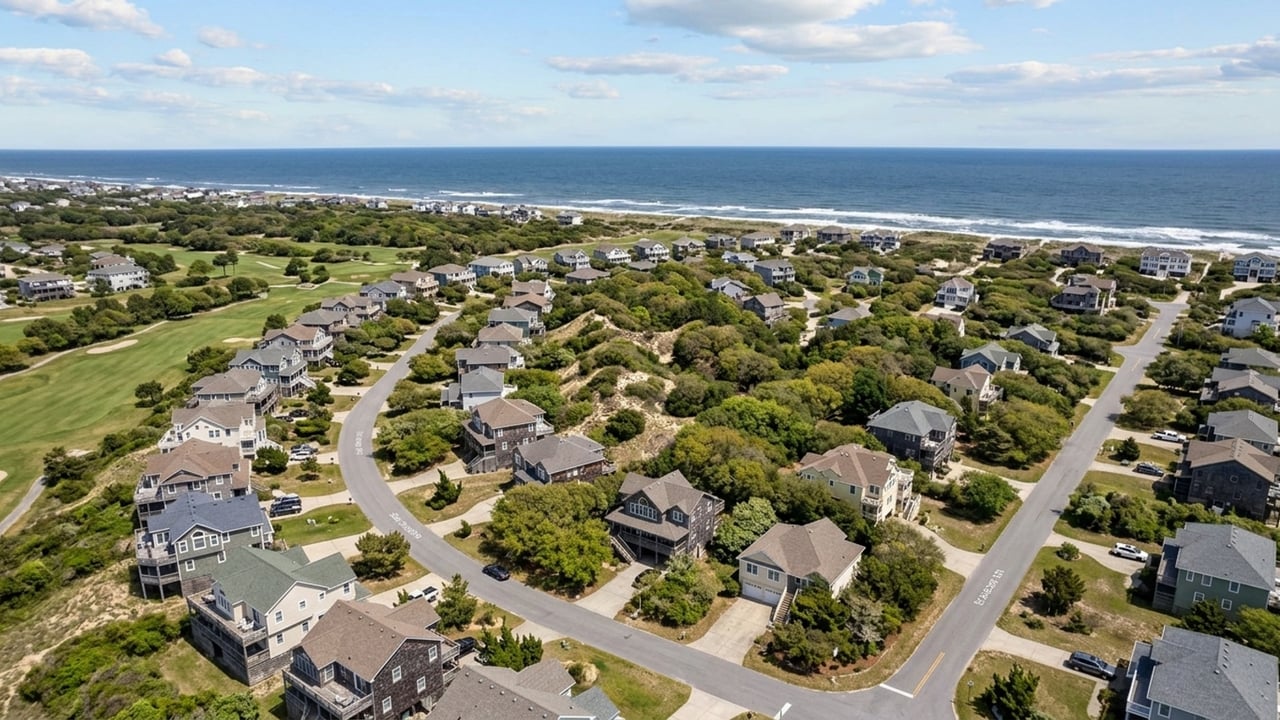
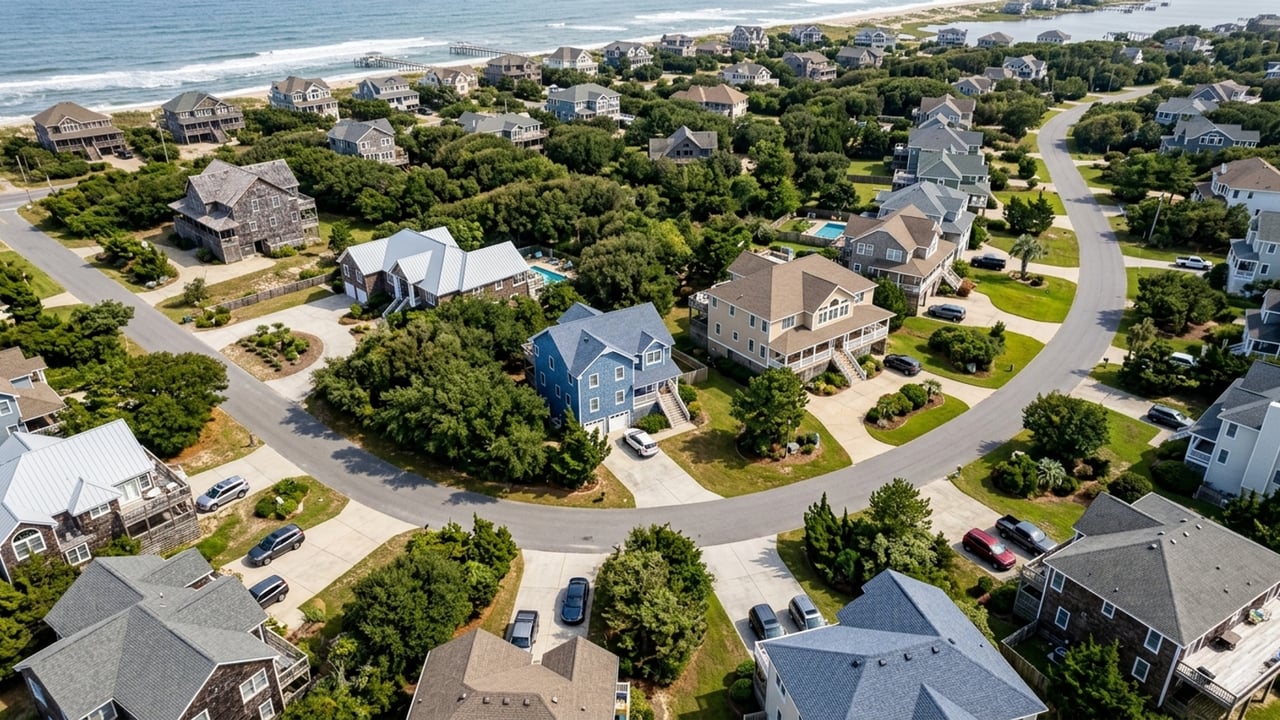
Buying property in a coastal barrier island environment requires specific structural considerations that go beyond standard construction practices. Homes in Dare County are built to withstand heavy winds, constant salt spray, and the shifting sands of the dune lines. Buyers must prioritize climate resilience when evaluating properties to protect their long-term investment from the elements.
The local weather environment dictates everything from the type of siding used to the exact elevation of the first floor. Properties built or updated under recent building codes often feature impact-resistant windows, stainless steel hardware, and reinforced roofing systems. Paying close attention to these construction details during a home inspection can save owners significant money on future repairs.
Hurricane Risk and Flood Zones in Real Estate
The Atlantic hurricane season runs from June 1 to November 30, and it is a major factor for coastal real estate transactions. The National Weather Service closely monitors the region for severe weather during these peak months, issuing vital updates to residents. While strong tornadoes are less common here than inland, the area is highly susceptible to nor'easters, storm surges, and high wind events.
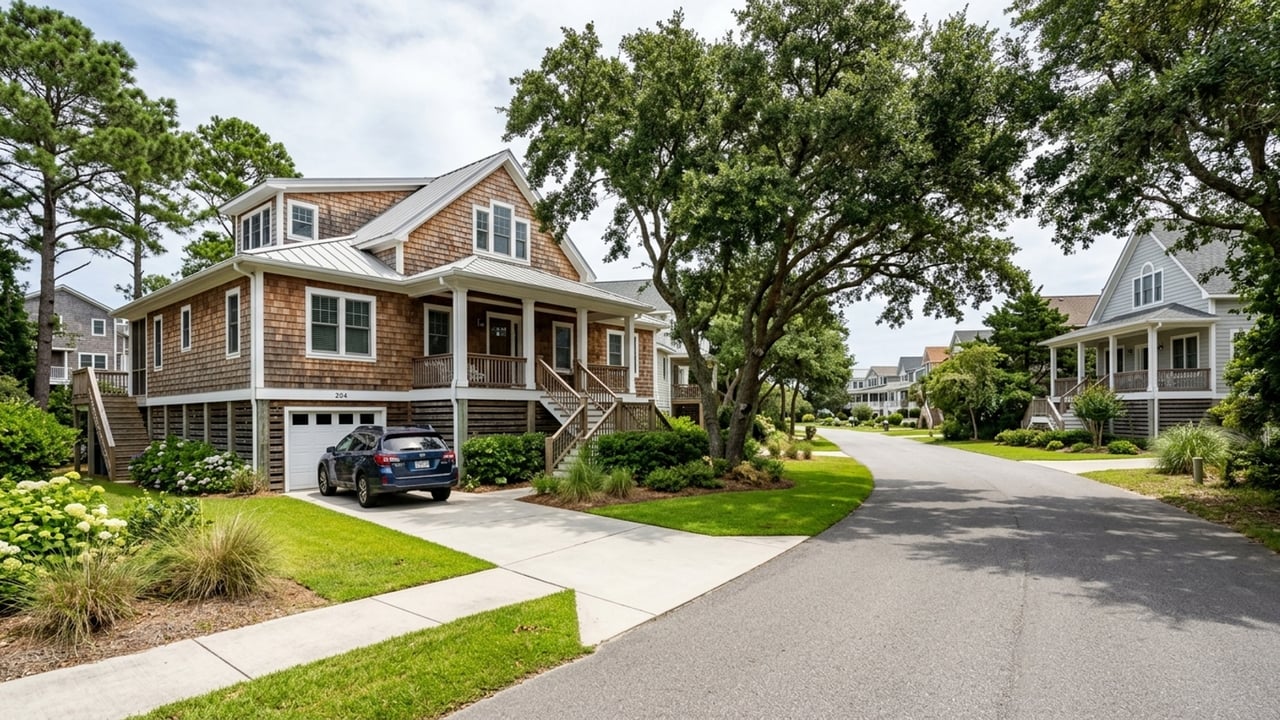
In Dare County, distinguishing between AE and VE flood zones is critical for assessing both property risk and strict building requirements. VE zones indicate a higher risk of wave action, requiring stricter construction standards to withstand the powerful forces of the ocean. Homes in these high-risk areas typically feature elevated foundations on sturdy wooden or concrete pilings and storm shutters to protect against severe weather.
Property Insurance Requirements and Maintenance Costs
Standard homeowners insurance in North Carolina generally excludes damage from floods, wind, and large hail. Coastal buyers must secure separate, specialized policies to ensure their property is fully protected from the elements. This typically involves an NFIP flood policy and separate wind coverage through the Coastal Property Insurance Pool, which can add significant annual expenses to a $500,000 home.
High summer humidity also impacts routine property maintenance and monthly utility expenses. HVAC systems require frequent servicing to prevent salt-induced rust and to handle the heavy workload during peak cooling months. Buyers should budget for higher utility costs from June through September when air conditioning units run constantly to battle the temperature and humidity.
Local Amenities and Weather-Dependent Attractions
Regional climate patterns directly influence outdoor recreation access and how residents utilize community amenities throughout the year. The shoulder seasons of spring and fall are arguably the best times to explore local parks due to lower humidity and comfortable temperatures. Kitty Hawk Woods Coastal Reserve offers excellent hiking and kayaking opportunities when the weather remains mild and the summer crowds have departed.
Public beach accesses are plentiful, but their daily usage heavily depends on the 10-day weather forecast and shifting water temperatures. High winds can occasionally make the oceanfront less comfortable, pushing residents toward sheltered sound-side activities like paddleboarding. The natural environment dictates the rhythm of daily recreation, requiring residents to stay flexible with their outdoor plans.
Local businesses and restaurants often adjust their operating hours based on seasonal tourist traffic and prevailing weather patterns. Many establishments scale back their hours or close briefly during the coldest winter weeks to perform annual maintenance. Understanding this seasonal shift is important for buyers planning to live in the area year-round, as the pace of life slows down significantly.
Frequently Asked Questions
How often does it snow in Kitty Hawk, NC?
It rarely snows in Kitty Hawk, as the area averages less than two inches of snowfall annually. The warming influence of the surrounding ocean and sound keeps winter precipitation mostly as rain. When snow does manage to accumulate, it typically melts within a few hours.
Is Kitty Hawk often affected by hurricanes?
Yes, Kitty Hawk is regularly impacted by hurricanes and tropical storms, primarily during the peak season from August to October. The barrier island's location makes it susceptible to high winds and storm surge from the Atlantic Ocean. To mitigate these risks, local homes are frequently built on elevated pilings.
What is the crime rate in Kitty Hawk NC?
The crime rate in Kitty Hawk is generally characterized by property crimes that fluctuate with the seasonal influx of summer tourists. House hunters evaluating the area can find exact statistics by reviewing municipal data. Year-round residents can access objective, up-to-date incident reports directly through the Dare County Sheriff's Office.