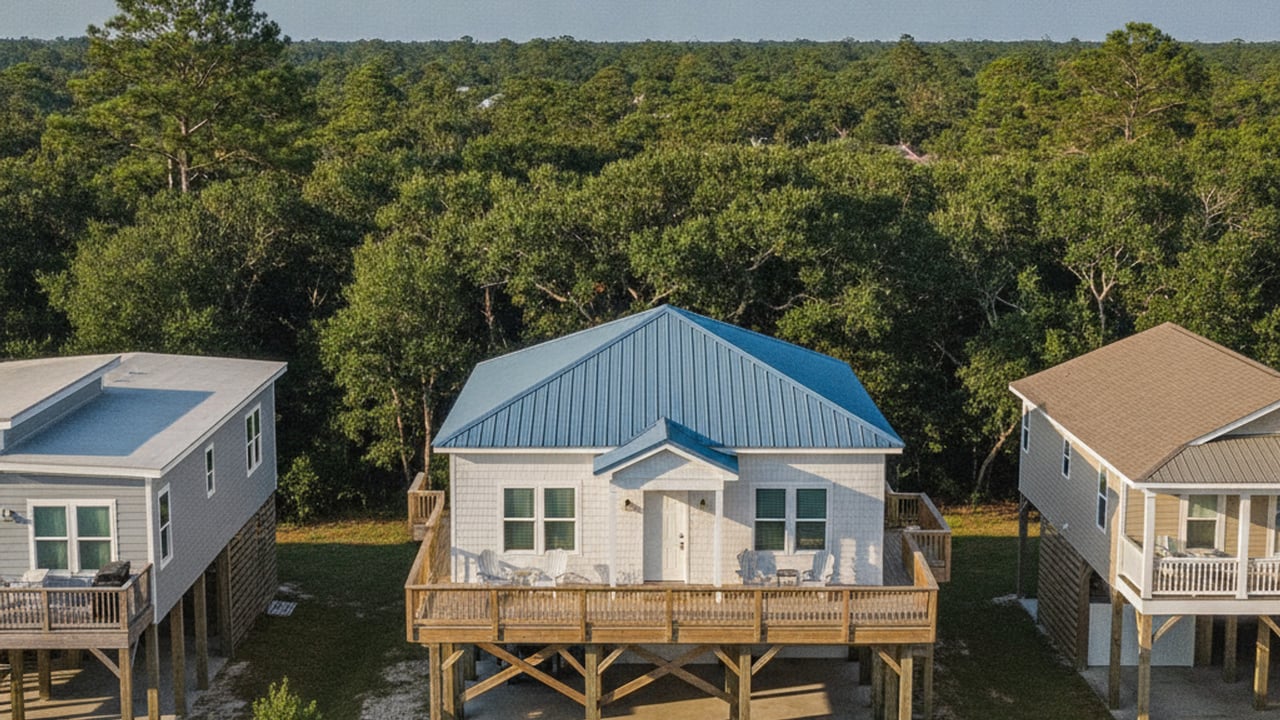
The Outer Banks market draws buyers looking for vacation rentals and second homes, and Kitty Hawk stands out as one of the first towns visitors reach when crossing the Wright Memorial Bridge. Buying a property here means balancing upfront purchase costs against seasonal rental income and coastal maintenance requirements. Buyers often consult the best real estate agent in Kitty Hawk, NC to evaluate these options.
Property taxes, flood insurance premiums, and current listing prices shape the potential of investing in Kitty Hawk, NC, real estate. Local housing inventory and municipal regulations determine whether an oceanfront house or a sound-side retreat makes the most financial sense.
Current Trends in the Kitty Hawk Housing Market
As of late May 2026, the median sale price for homes in Kitty Hawk, NC sits around $720,000. Buyers will find roughly 42 active listings on the market, giving them a small but steady pool of options. Homes are selling for about 96.9% of their list price, meaning there is often some room for negotiation during the offer process.
Properties are spending an average of 114 days on the market before closing. This timeline gives buyers a chance to thoroughly evaluate a home's rental history and structural condition without rushing into an immediate contract. Sellers should price their homes accurately based on recent comps to avoid having them sit through the peak summer selling season.
With 13 homes sold in the recent reporting period, the turnover rate remains stable for this specific stretch of the Outer Banks. Investors should monitor how these median prices compare to neighboring towns to identify the best value per square foot.
Property Styles Available to Buyers
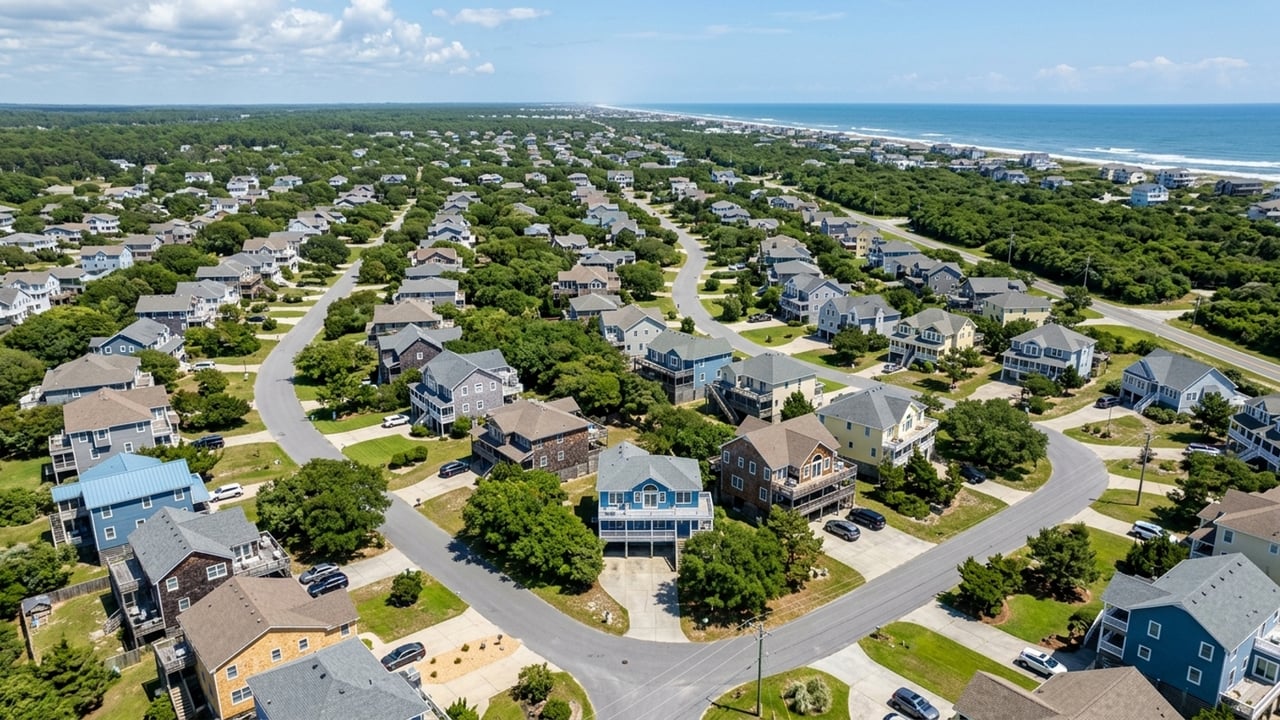
The local multiple listing service features a mix of property types, from attached condominiums to large detached homes. Oceanfront properties command the highest prices due to their direct beach access and strong rental demand.
Sound-side homes offer an alternative for buyers looking at a lower entry price point. These properties often sit among maritime forests and provide direct water access for kayaking and paddleboarding.
- Oceanfront condos: These units typically include shared amenities like community pools and designated parking, reducing exterior maintenance work for the owner.
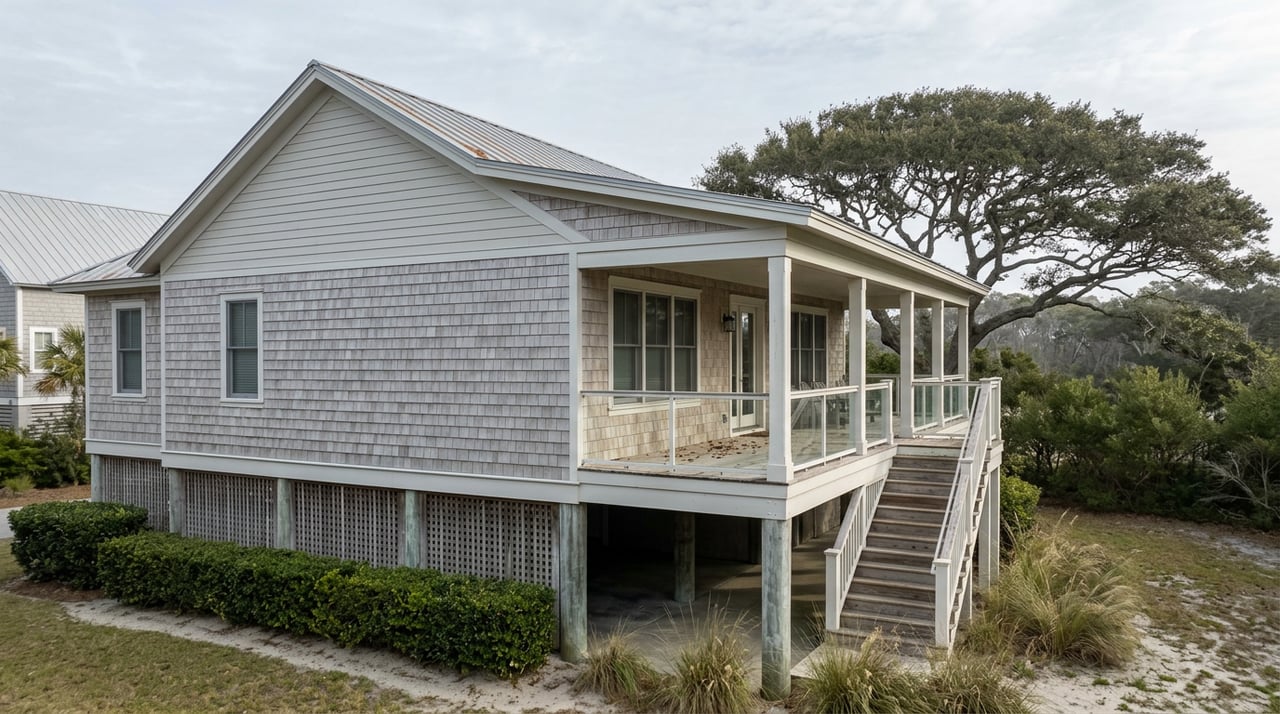
- Single-family stilt homes: Elevated on pilings to meet flood elevation requirements, these houses often feature open floor plans and expansive wrap-around decks.
- Sound-side properties: Located on the western side of the island, these homes tend to sit on larger lots and offer proximity to the Albemarle Sound.
Short-Term Rental Rules and Revenue Expectations
Short-term vacation rentals in Kitty Hawk average an annual occupancy rate between 61% and 64%. During the peak summer weeks, well-maintained properties near the water often book up completely. Average daily rates range from $250 to $428, depending on the property's size, location, and amenity package.
Annual revenue for these rentals typically falls between $43,000 and $62,000. A five-bedroom oceanfront house will naturally generate higher gross income than a two-bedroom condo on the highway. Investors should review at least two years of past rental history before finalizing a purchase.
The town of Kitty Hawk regulates short-term rentals and requires owners to adhere to local zoning and safety ordinances. Property managers can handle the permitting process, collect occupancy taxes, and manage weekly turnovers for an average fee of 15% to 25% of gross rental income.
Taxes, Insurance, and Maintenance Costs
The fiscal year 2026 property tax rate for Kitty Hawk is roughly $0.22 per $100 of assessed valuation, while Dare County adds its own tax rate on top of that. The overall median effective tax rate in the area sits at approximately 0.67%.
Coastal insurance policies introduce a recurring expense for property owners. Because the Outer Banks is a barrier island, standard homeowners policies do not cover all weather-related events.
- Flood insurance: Properties located in special flood hazard areas must carry separate flood policies, often through the National Flood Insurance Program.
- Wind and hail coverage: Lenders require this specialized coverage to protect the structure against hurricane-force winds and severe coastal storms.
- Routine maintenance: Salt air accelerates wear and tear on HVAC units, exterior paint, and metal fixtures, meaning owners should budget extra funds for ongoing repairs.
Location Features and Commute Routes
Kitty Hawk stretches from the Atlantic Ocean to the Albemarle Sound, connected primarily by US-158 (the Croatan Highway) and NC-12 (Virginia Dare Trail). US-158 serves as the main commercial corridor, offering direct access to grocery stores, hardware shops, and restaurants.
The town maintains multiple public beach accesses along NC-12, many of which feature bathhouses and paved parking lots. Properties within walking distance of these access points hold their value well and attract consistent weekly renters.
On the western side of the town, the Kitty Hawk Woods Coastal Reserve covers hundreds of acres of maritime deciduous forest. This protected area limits development on the sound side and provides public trails for hiking and biking.
Frequently Asked Questions
Is Kitty Hawk, NC, a good place to invest in real estate?
Buying property here works well for investors seeking consistent seasonal rental income. The town's location near the Wright Memorial Bridge ensures steady visitor traffic, though buyers should weigh the upfront costs of coastal insurance against projected revenue.
What is the median home price in Kitty Hawk, NC?
As of mid-2026, the median sale price for a home in Kitty Hawk is approximately $720,000. Prices vary widely based on proximity to the ocean, with direct beachfront properties commanding a premium over homes located west of US-158.
What are the rules and permit requirements for short-term rentals in Kitty Hawk?
The town allows short-term rentals but requires owners to comply with specific zoning regulations, parking minimums, and occupancy limits based on septic capacity. Owners must also collect and remit county occupancy taxes on all rental income.
How much should I expect to pay for property taxes and coastal insurance in Kitty Hawk?
The overall effective property tax rate is around 0.67%, which remains low compared to the national average. However, combined premiums for flood, wind, and standard hazard insurance can easily exceed $5,000 annually for a typical coastal home.
What are the hidden maintenance costs of owning an oceanfront rental in the Outer Banks?
Salt spray and constant wind exposure drastically reduce the lifespan of exterior components. Owners routinely replace HVAC condenser units every five to seven years and frequently repair siding, deck boards, and exposed metal hardware.
How does investing in Kitty Hawk compare to neighboring towns like Kill Devil Hills?
Kitty Hawk generally features larger lot sizes and a slightly lower density of commercial development than Kill Devil Hills. However, Kill Devil Hills often offers a higher volume of entry-level condos and multi-family investment options.
What types of investment properties perform best in the Kitty Hawk market?
Four- to six-bedroom single-family homes with private pools generate the highest gross rental revenue during the summer season. Smaller condos offer a lower barrier to entry but typically see lower overall annual yields.