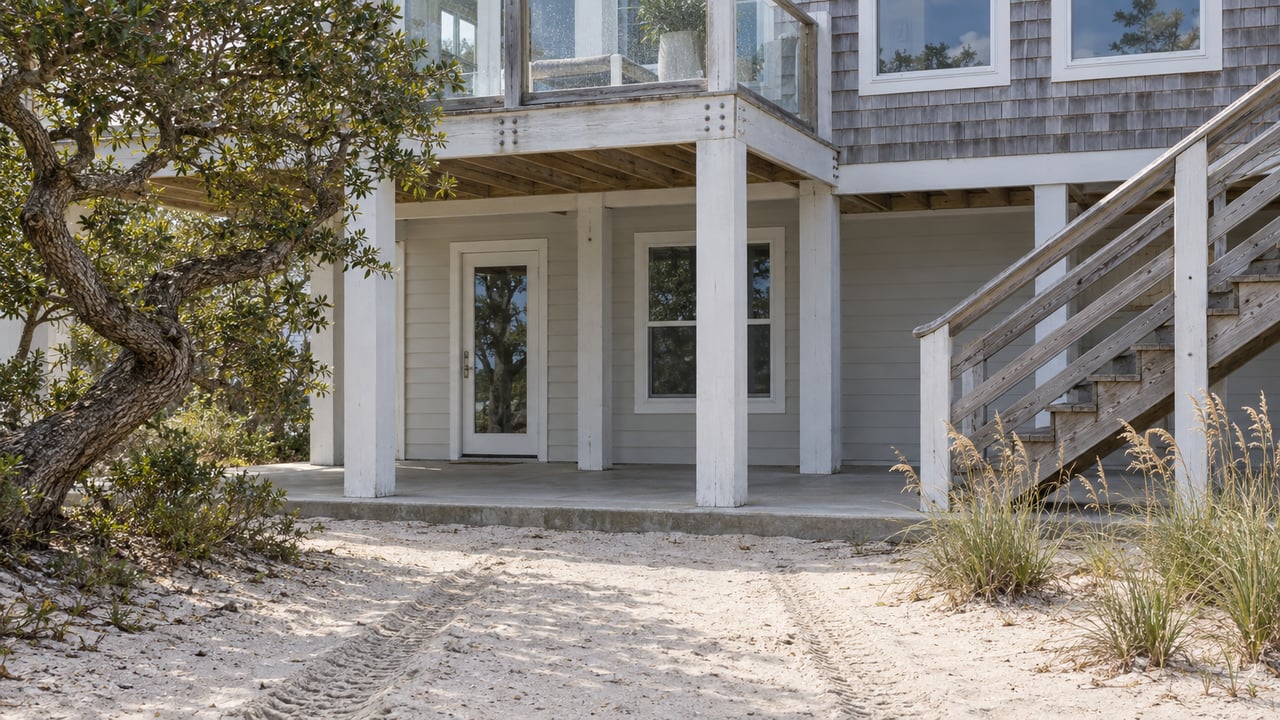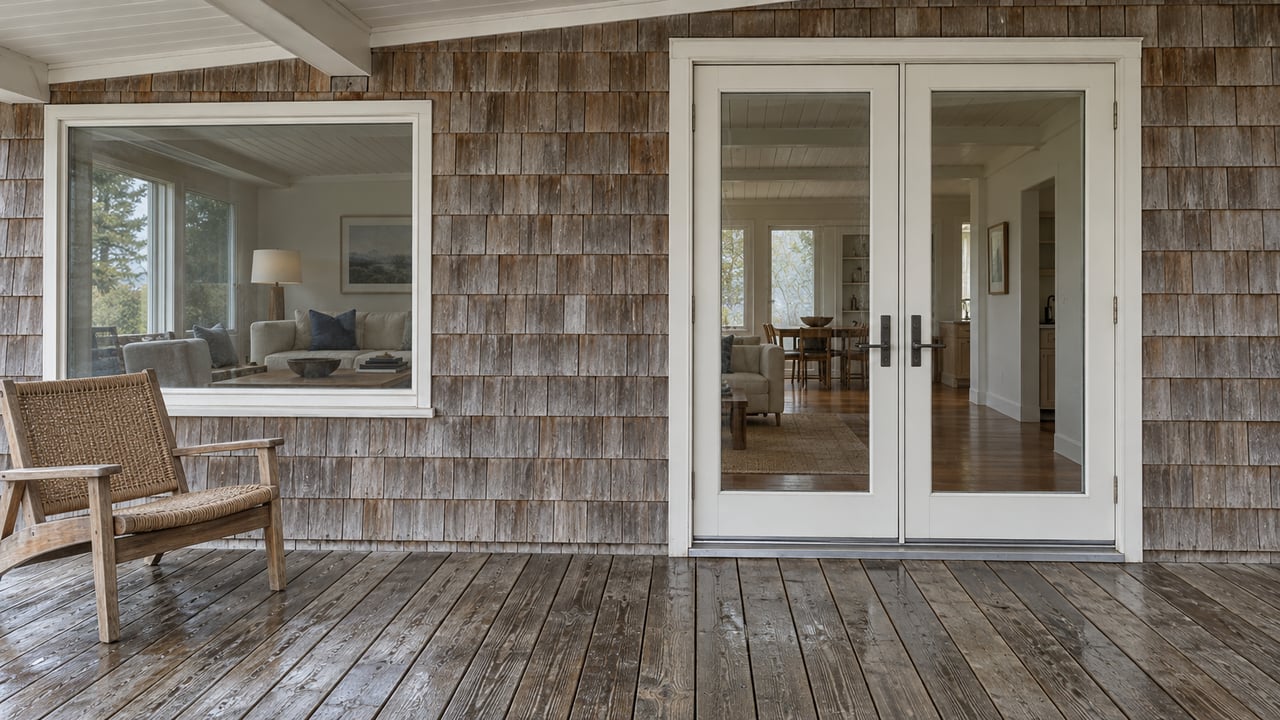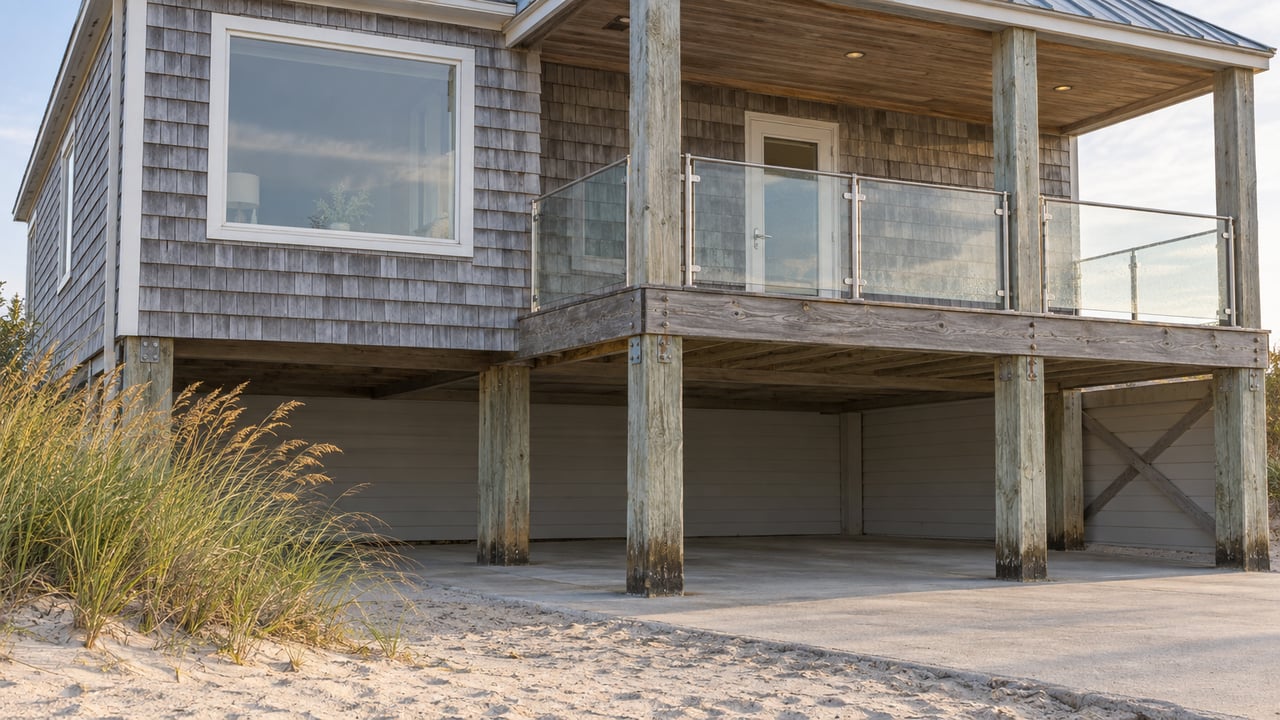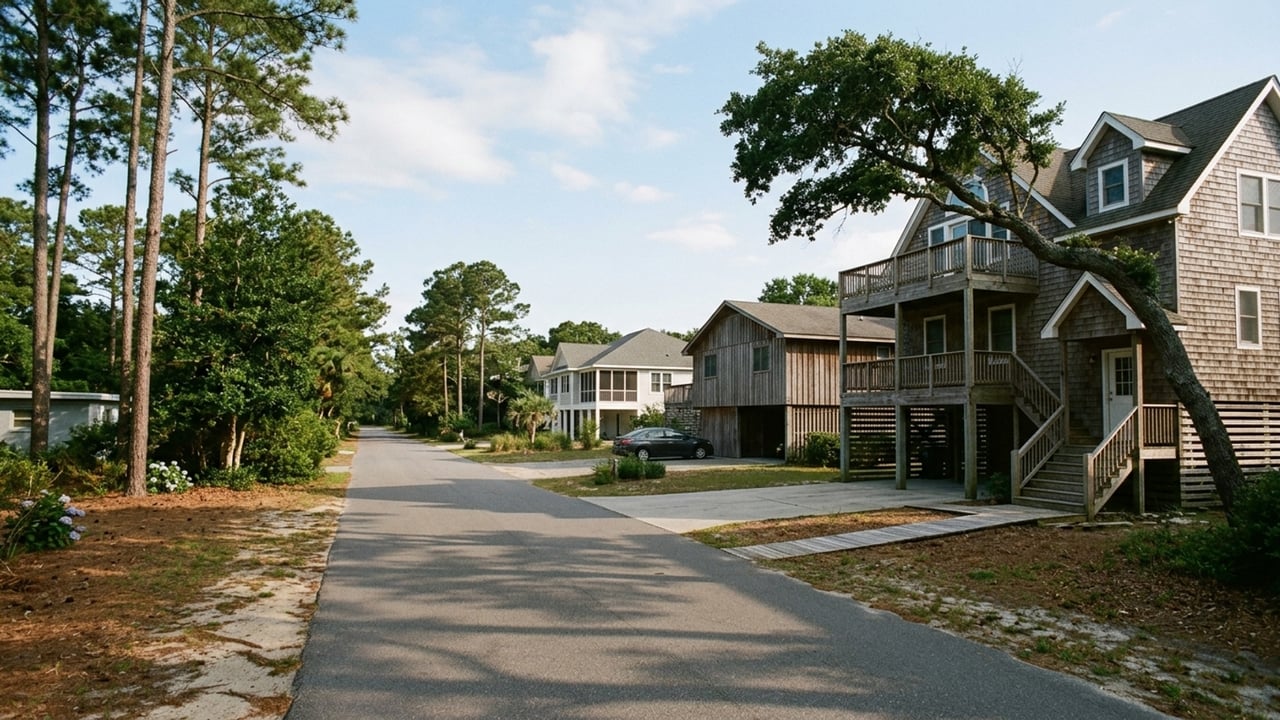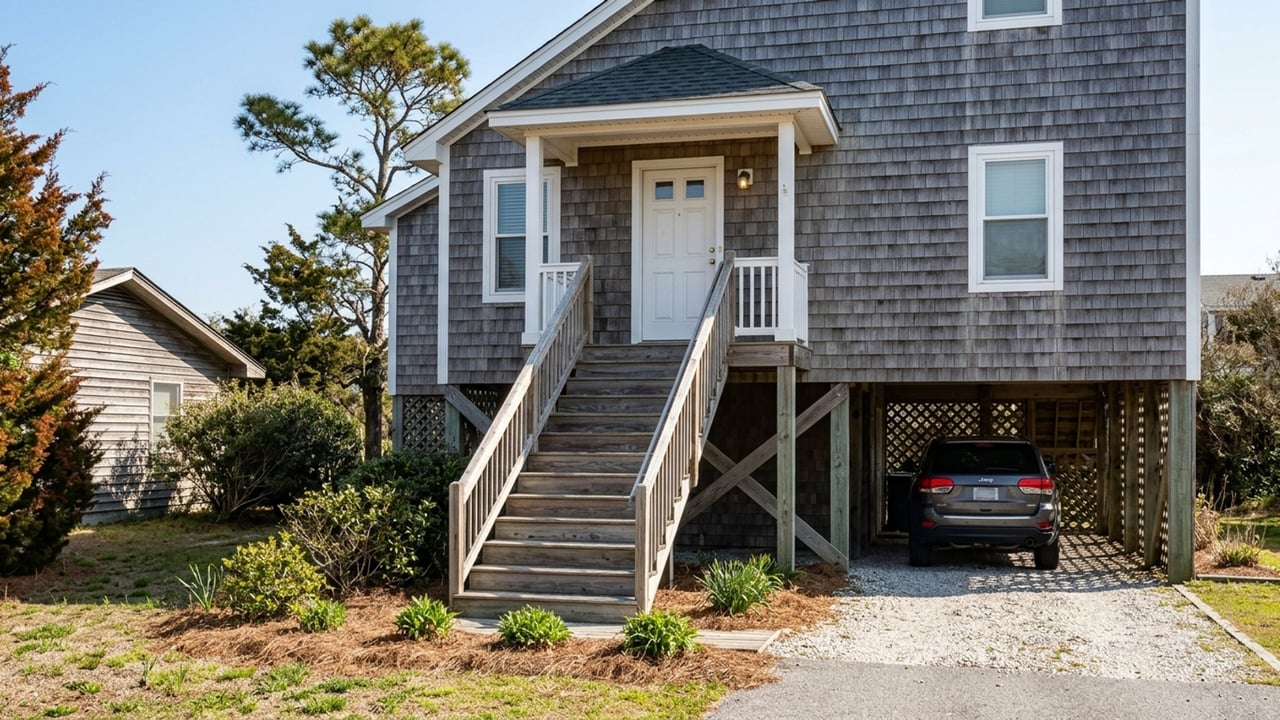
Kitty Hawk, NC sits in Dare County as part of the Outer Banks, and if you're seriously considering a move here, you'll want more than a postcard version of what that means. Housing costs, commute times, and everyday amenities all look different when you're buying a home in Kitty Hawk, NC versus booking a week in July.
The median home sale price is currently around $694,540. That number alone tells you this isn't a casual market. Understanding the real pros and cons of living in Kitty Hawk means looking at the actual data - so let's do that.
The Realities of Moving to Kitty Hawk
Inventory is tight. Right now there are just 42 homes available for sale, which translates to about 4.6 months of supply - enough to make buyers work for it. Homes are averaging roughly 73 days on market before closing, and sellers are receiving about 95% of their list price on average. That's not a panicked market, but it's not one where you'll have unlimited time to think, either.
On the commute side, Kitty Hawk outperforms most of the country. The average commute for a local employee is 24.3 minutes, which beats the national average of 26.4 minutes. For a coastal town, that's worth noting if you're working year-round.
Location and Population Details
Kitty Hawk covers 8.29 square miles total within Dare County - 8.1 square miles of land and 0.17 square miles of water. The year-round population is 3,724, according to 2020-2024 American Community Survey estimates, which works out to a population density of approximately 458.7 people per square mile.
The median age here is 49.3, roughly 25% higher than the North Carolina state median of 39.1. About 19.2% of residents are under 18, and 23.3% are 65 or older. The demographic data reflects a more established, often second-home-oriented community.
Crime Statistics for Kitty Hawk
This section requires some context, because the numbers don't all point the same direction.
The 2023 crime rate on the City-Data index was 118.5 - about 2.0 times lower than the U.S. average. That sounds reassuring until you see the same data shows a 371% increase compared to the prior year. Whether that spike reflects a genuine trend or a statistical anomaly in a small town is a question worth asking.
A separate analysis from NeighborhoodScout, using 2021 FBI data, found an overall crime rate of about 19 crimes per 1,000 residents - higher than 69% of cities and towns in North Carolina.
Don't rely on index summaries alone. For the most accurate picture, go directly to the Kitty Hawk Police Department and the Dare County Sheriff's office, which maintain the primary records for local incidents.
Housing Costs and Market Data
The median sale price right now is $694,540. The 2024 ACS puts the median household income in Kitty Hawk at $94,450, up from $88,811 the year before - so it's a market that stretches most budgets.
Renters aren't insulated from coastal pricing. Median rent estimates vary by source and data vintage, ranging from $1,366 to roughly $1,800 per month.
For context on ownership costs: the 2024 Census median home value for owner-occupied units in Kitty Hawk was $535,000, which is about 1.61 times the national average of $332,700. You're paying a real premium for the overall cost of living.
Local Amenities and Natural Surroundings
The municipal offices are at 101 Veterans Memorial Drive, open Monday through Friday, 8:30 am to 5:00 pm - standard hours for a small town.
The standout natural resource is the Kitty Hawk Woods Reserve, which covers 1,824 acres of maritime deciduous swamp, forest, and marsh. The Town of Kitty Hawk owns 461 undeveloped acres within it. For residents who want something other than beach access, that's a meaningful amenity.
Schools
When researching schools in Kitty Hawk, note that secondary students are zoned to First Flight Middle School and First Flight High School, both within the Dare County district.
Comparing Kitty Hawk to Other Outer Banks Towns
If you're comparing Kitty Hawk vs Kill Devil Hills, the clearest difference is price. The 2024 Census median home value in Kitty Hawk was $535,000 - about 20% higher than the Kill Devil Hills micro area median of $460,400.
The age demographics are nearly identical: Kitty Hawk sits at a median age of 49.3, Kill Devil Hills at 49. So that's not what separates them.
What does separate them, at least for year-round workers, is the commute. Kitty Hawk's 24.3-minute average is a concrete advantage if you're on the road daily and every minute counts.
Frequently Asked Questions
What are the cons of living in Kitty Hawk?
Higher housing costs are the most obvious drawback - the median sale price is around $694,540, and the inventory is thin, with roughly 42 homes currently on the market. Beyond price, you're also dealing with what comes standard with coastal living: property maintenance demands and natural hazard exposure.
Is Kitty Hawk expensive to live in?
Yes, relative to most of North Carolina. The median sale price sits at around $694,540, the median household income is $94,450, and rent typically runs between $1,366 and $1,800 per month depending on the source and data vintage.
Is Kitty Hawk or the wider Outer Banks area a better fit to live in?
That mostly comes down to budget. Kitty Hawk homes tend to run higher than the broader Kill Devil Hills micro area, but residents do get a slightly shorter average commute at 24.3 minutes. Whether that tradeoff makes sense depends on your priorities.
What do the crime statistics show for Kitty Hawk, NC?
The 2023 City-Data crime index was 118.5 - roughly half the national average - but it also represented a significant increase from 2022. NeighborhoodScout's data from 2021, using FBI figures, reported an overall rate of 19 crimes per 1,000 residents.
What specialized housing options, such as senior or assisted living, are available in Kitty Hawk, NC?
With 23.3% of the population age 65 or older, demand for specialized care in Dare County is real. For specific senior, assisted, or sober living facilities, your best path is local directories or a conversation with a local agent who knows what's available.
How does the coastal climate impact daily lifestyle and property maintenance in Kitty Hawk?
Storms, flooding, and moisture are the recurring realities here - not occasional inconveniences. Before you close, review Dare County's flood zone maps and get a clear picture of property insurance requirements. Those costs add up and they're part of the honest budget calculation for any coastal property.
What is the historical background of the area?
The history of Kitty Hawk, NC provides helpful context for its current demographics. Over time, the town has developed into an established, second-home-oriented community with a year-round population of 3,724 residents.
What recreational activities are available for residents?
Available things to do in Kitty Hawk, NC extend well beyond standard beach access. Residents can visit the Kitty Hawk Woods Reserve, a standout natural resource covering 1,824 acres of maritime deciduous swamp, forest, and marsh.