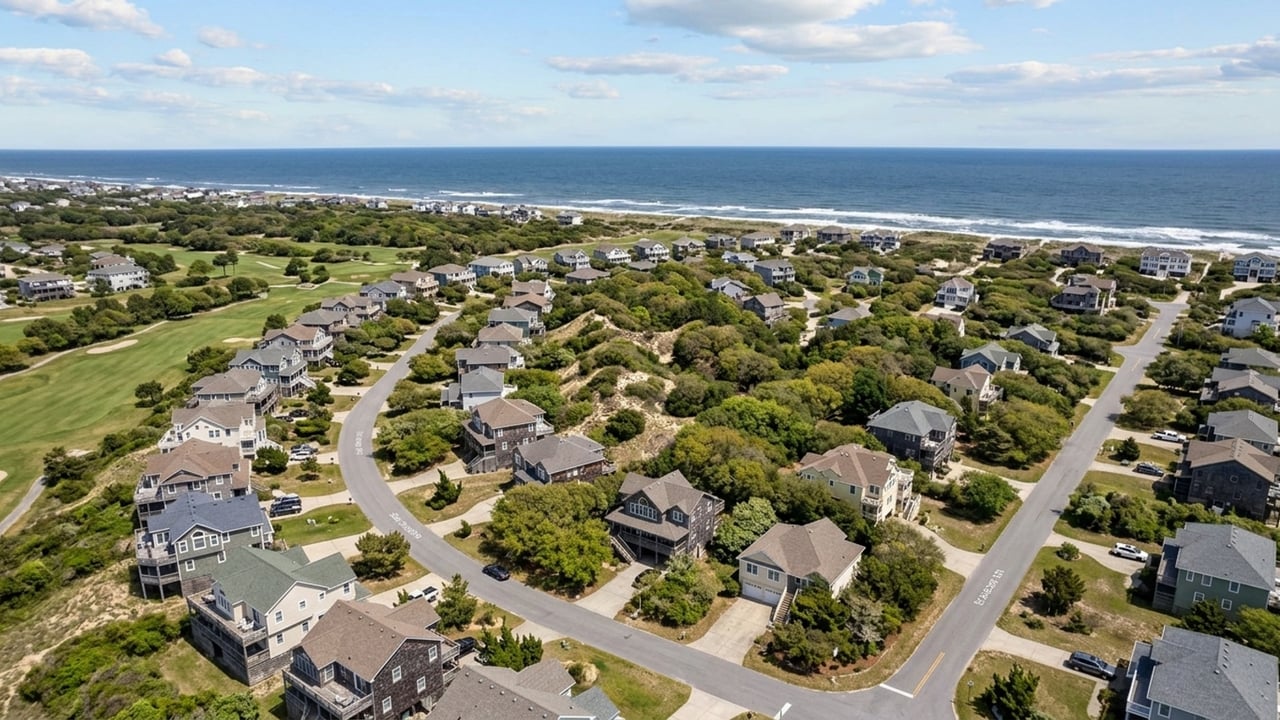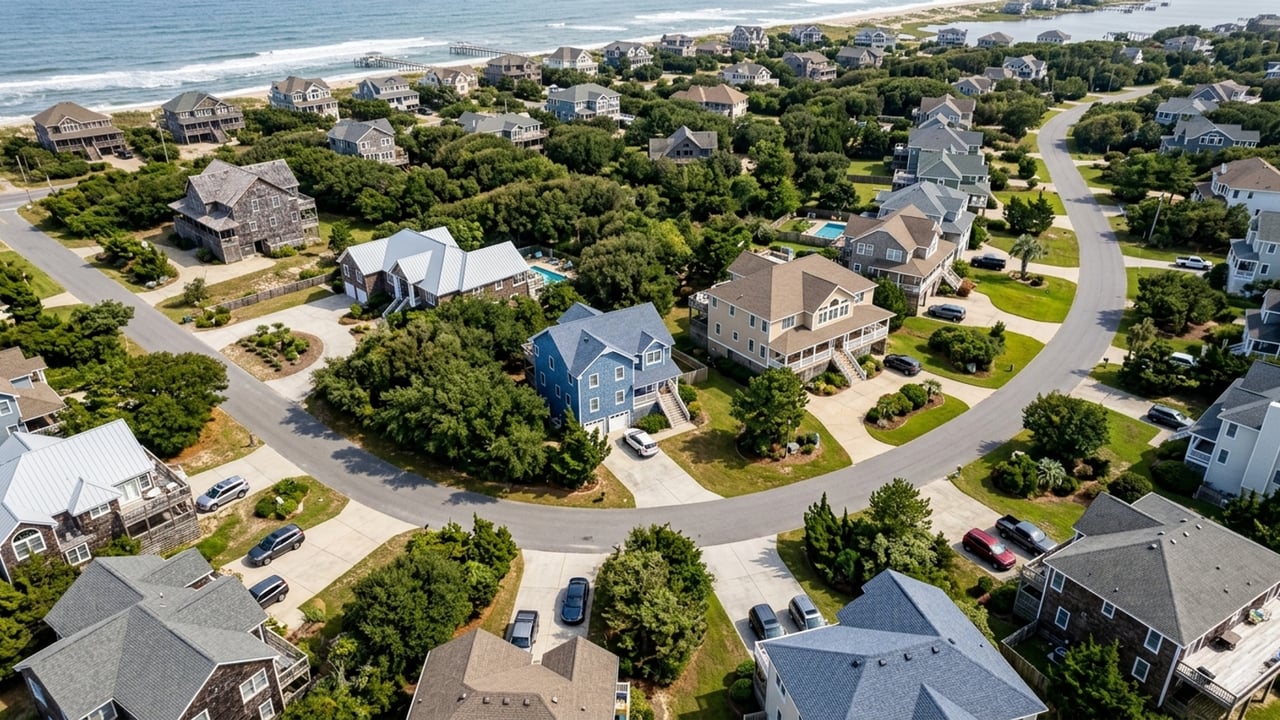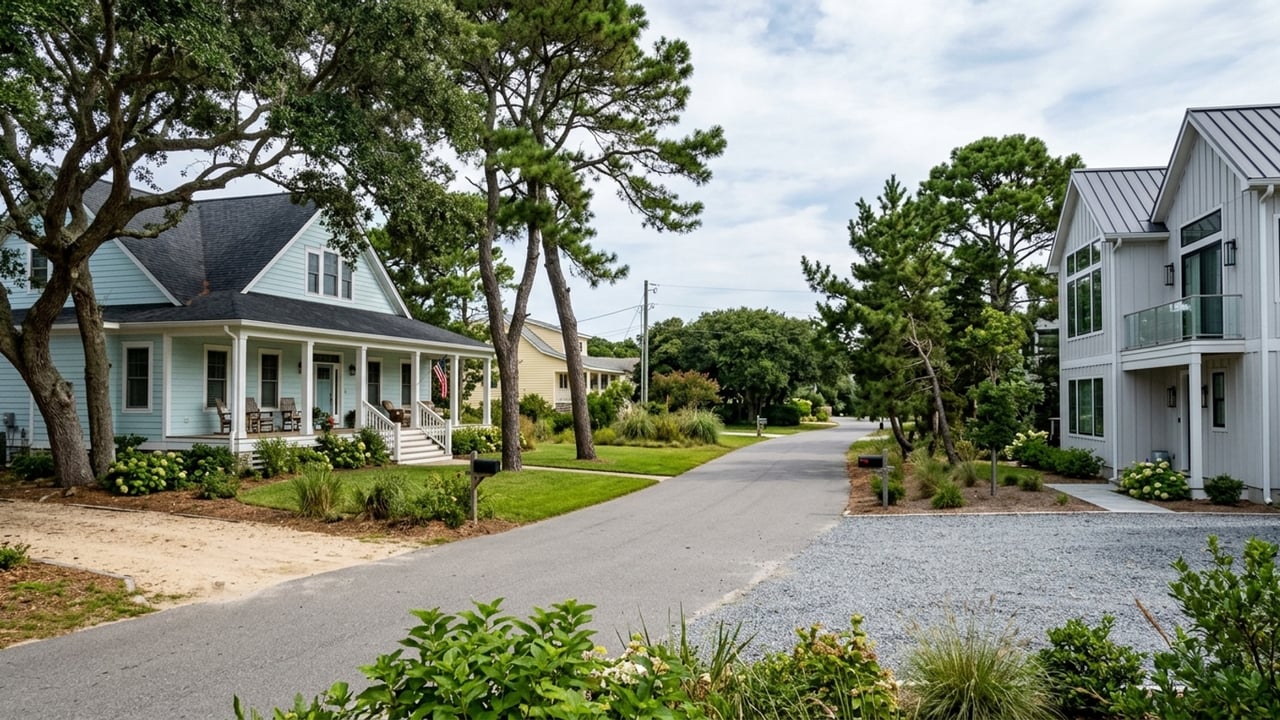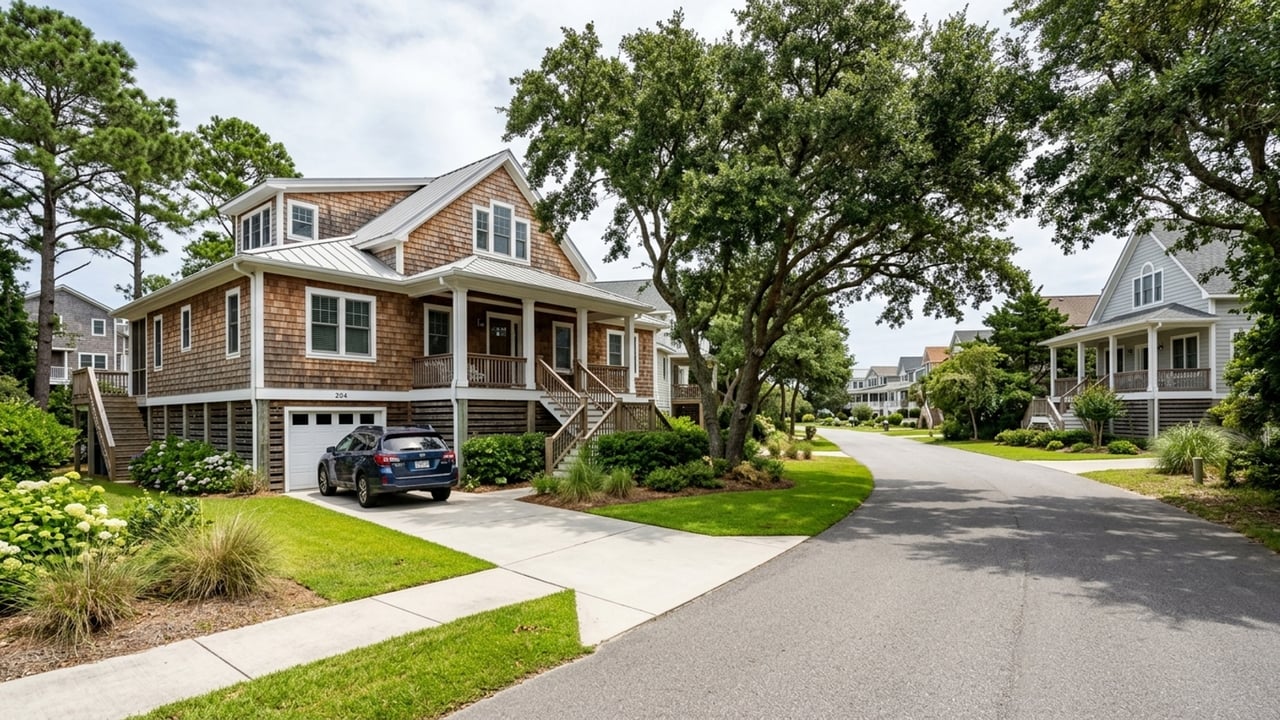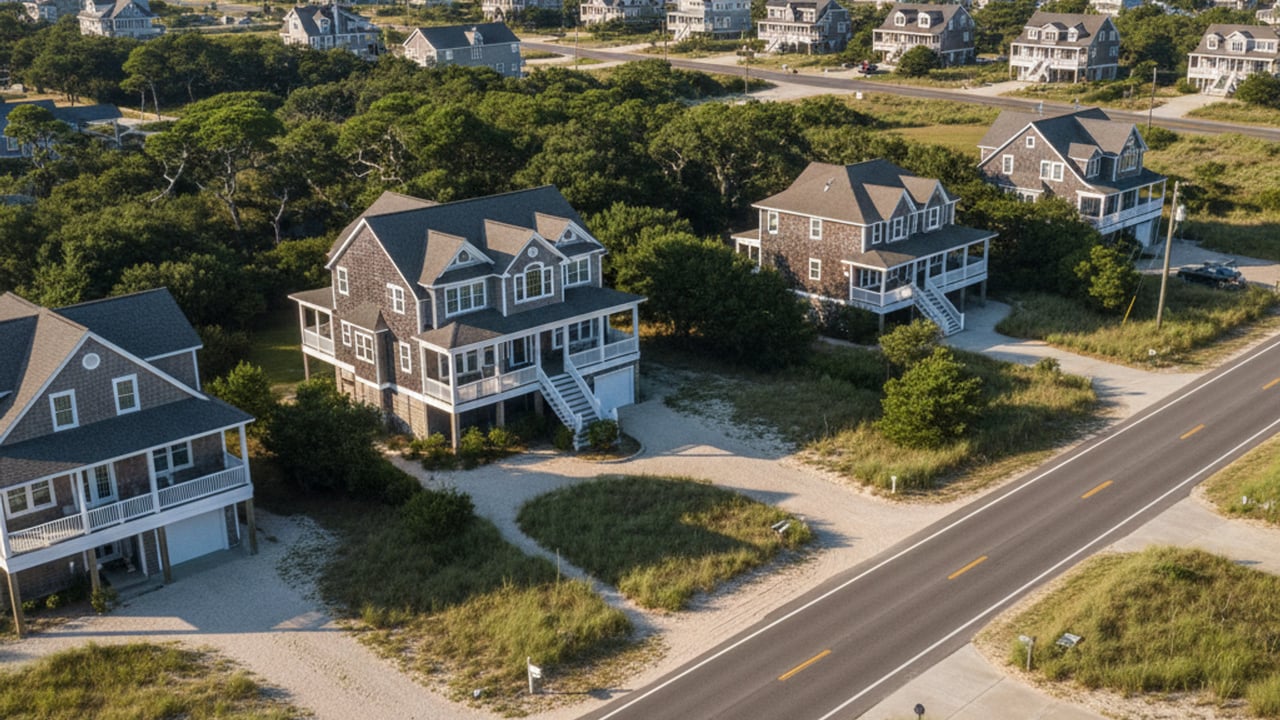
When evaluating real estate on the Outer Banks, understanding the local infrastructure is just as important as the property itself. Getting around Kitty Hawk NC requires a clear grasp of seasonal traffic patterns, primary highway arteries, and pedestrian pathways. Buyers who map out their daily driving routes before closing on a home often find their coastal living experience is far more relaxed.
The geography of this barrier island dictates a linear transportation network that moves primarily north to south. Whether you are commuting to neighboring municipalities for work or simply trying to reach the Atlantic Ocean on a busy Saturday, knowing the local roadways is essential. Mastering this transit layout will help you choose a property location that aligns perfectly with your lifestyle needs.
Navigating Kitty Hawk's Main Roadways: US-158 and NC-12
The town relies heavily on two primary thoroughfares that dictate all vehicular movement along the coast. Understanding how these parallel roads function is the first step to mastering local transit. Almost every commercial and residential address in the area is oriented around these two distinct routes.
US-158, locally known as the Bypass or Croatan Highway, serves as the primary commercial artery for the region. This five-lane highway handles the bulk of heavy traffic and provides access to major grocery stores, hardware centers, and municipal buildings. When your goal is commuting efficiency or running essential errands, US-158 is the necessary route to take.
Running parallel to the ocean is NC-12, officially named the Virginia Dare Trail but universally called the Beach Road. This slower, scenic two-lane route is favored by those seeking immediate coastal access or a relaxed driving pace. While NC-12 offers beautiful views, it is not designed for rapid transit and frequently experiences congestion during the peak summer months.
Most drivers enter the Outer Banks via the Wright Memorial Bridge, which deposits incoming traffic directly into Kitty Hawk. This bridge serves as the crucial northern entry point, funneling all incoming vehicles onto US-158. Property owners near this intersection often need to factor weekend bridge traffic into their summer travel plans.
The transition between Memorial Day and Labor Day drastically alters the flow of traffic on both of these main roads. Weekly rental turnovers on Saturdays and Sundays bring thousands of vehicles onto US-158 simultaneously. Buyers evaluating properties should drive both routes during these peak transition days to fully understand the local traffic rhythm.
Commute Times to Neighboring Outer Banks Towns
Proximity to adjacent communities is a major factor for buyers who work locally or want access to broader regional amenities. Kitty Hawk sits in a highly central location on the northern Outer Banks, making short trips relatively painless. However, drive times can vary significantly depending on the time of year and the time of day.
Traveling to nearby towns is generally a quick process during standard traffic conditions. The linear layout of the island means you are rarely more than a short, straight drive away from neighboring commercial districts. These brief commutes make it easy to enjoy the dining and retail options scattered across the neighboring borders.
Here are the approximate drive times you can expect when commuting from the center of town. These estimates reflect standard driving conditions outside of peak holiday weekends:
- Kill Devil Hills: Driving south to this adjacent town covers roughly 4 miles and takes about 10 minutes.
- Southern Shores: Heading north across the bridge intersection takes just 5 to 10 minutes.
- Nags Head: Accessing broader municipal and retail amenities requires a 10-mile drive south, typically taking 15 to 20 minutes.
Trips further south to places like Manteo or Hatteras Island require a much larger time commitment. Depending on seasonal traffic bottlenecks along NC-12, these longer excursions can take anywhere from 30 to 90 minutes. Buyers planning frequent trips to the southern beaches should factor these extended drive times into their property location decisions.
Commuting for specialized healthcare or large-scale retail purchases often requires a trip inland toward the mainland. Driving to Elizabeth City or the Hampton Roads area takes well over an hour, which is an important consideration for full-time residents. Understanding these regional commute times ensures buyers have realistic expectations about accessing off-island services.
Airport Access, Rideshare, and Local Transportation
Reaching the Outer Banks by air requires coordinating ground transportation from regional aviation hubs. While the local infrastructure supports personal vehicles perfectly, public transit and airport connections require a bit more planning. Homebuyers and property investors must understand these logistics if they plan to host out-of-state guests or rent their properties.
Norfolk International Airport in VA is the closest major aviation hub for the area. The airport is located approximately 78 to 80 miles away, and the drive generally takes 1.5 to 2 hours under normal conditions. This travel time is heavily dependent on weekend bridge traffic during the summer, which can easily extend the journey.
Local airport shuttle services, private car services, and regional taxi operations are available to bridge the gap between the airport and the coast. Booking these services well in advance is highly recommended, as on-demand availability is limited. Relying on last-minute transit from the airport is a common mistake for new visitors.
While Uber and Lyft do operate in the area, the supply of drivers fluctuates dramatically based on the season. Wait times for a rideshare are noticeably longer here than in dense metropolitan areas, sometimes exceeding 30 minutes. Buyers should not expect the instant rideshare convenience found in larger urban centers.
Raleigh-Durham International Airport provides an alternative flight option for those traveling to the Outer Banks. This airport is located roughly 200 miles away, requiring a drive of about 3 to 3.5 hours depending on highway conditions. While it is a longer commute, some residents prefer it for direct flight availability and to avoid the bridge traffic coming from the north.
Biking and Pedestrian Infrastructure in Kitty Hawk
Non-motorized transportation has become a major focus for local municipal planning in recent years. The town features an expanding network of multi-use trails and pathways designed for walking and cycling. These greenways provide excellent connectivity between residential sectors and natural landmarks.
The Wright Brothers Multi-Use Path is a standout feature, offering a 2,500-foot paved trail with uninterrupted views along Kitty Hawk Bay. For a more shaded route, the David Paul Pruitt Jr. Multi-Use Path stretches for 2 miles through a dense maritime forest along The Woods Road. Additionally, the Twiford Street Multi-Use Path serves as a vital connecting route for pedestrians moving through town.
Properties located within walking distance of these trails consistently command strong buyer interest. This greenway system significantly enhances local property values by allowing residents to access parks and amenities without relying on a vehicle. A connected, walkable infrastructure is a premium asset in any coastal real estate market.
Pedestrian infrastructure along these pathways has improved, with clearly marked crosswalks helping walkers navigate the busy intersections. Cyclists using the paths parallel to US-158 must remain vigilant, as vehicles frequently turn into commercial driveways. The town continues to invest in these transit upgrades, making non-motorized travel a more viable option for everyday errands.
Public Beach Access Parking Facilities
For buyers purchasing homes on the west side of US-158, knowing where to park at the oceanfront is a vital piece of the real estate puzzle. The town maintains several dedicated parking facilities to ensure residents and visitors can easily reach the sand. Navigating these public lots is a standard part of the local routine.
The municipality offers approximately 266 public beach parking spaces distributed across multiple cross streets. The largest facility is the Kitty Hawk Bath House at 3840 N. Virginia Dare Trail, which features 50 parking spaces, restrooms, showers, and a seasonal lifeguard stand. This location is extremely popular and tends to fill up quickly on summer mornings.
Another major access point is located at Byrd Street, providing over 60 parking spaces, a porta-potty, and outdoor showers. Additional key access points with dedicated parking and seasonal lifeguard services can be found at Eckner Street and Lillian Street. Having a concrete plan for where to park makes accessing the Atlantic Ocean much more convenient during peak season.
It is important to note that unauthorized street parking in residential neighborhoods is strictly prohibited and heavily enforced. Visitors and residents must use the designated public beach accesses to avoid towing fees or fines. Purchasing a home with ample driveway space is a distinct advantage, as it allows owners to host guests without worrying about municipal parking constraints.
Frequently Asked Questions
Can you get around Kitty Hawk without a car?
While the multi-use paths make walking and biking highly enjoyable, owning or renting a vehicle is generally necessary for daily life. The town is spread out along several miles of highway, making trips to the grocery store or neighboring towns difficult on foot. Biking is excellent for local recreation, but a car remains the primary mode of transportation.
Are there Ubers or other rideshare services available in Kitty Hawk?
Yes, Uber and Lyft operate throughout the Outer Banks, but driver availability is highly variable. You can often secure a ride during busy summer evenings, but wait times frequently exceed 20 to 30 minutes. It is always wise to have a backup plan, such as a local taxi service, if you have a time-sensitive appointment.
How can I avoid traffic when crossing the Wright Memorial Bridge?
The most effective strategy is to time your arrival or departure outside of peak weekend transition hours. Traffic is typically heaviest between 10:00 AM and 4:00 PM on Saturdays and Sundays during the summer. Crossing the bridge before 8:00 AM or after 6:00 PM will significantly reduce your wait time.