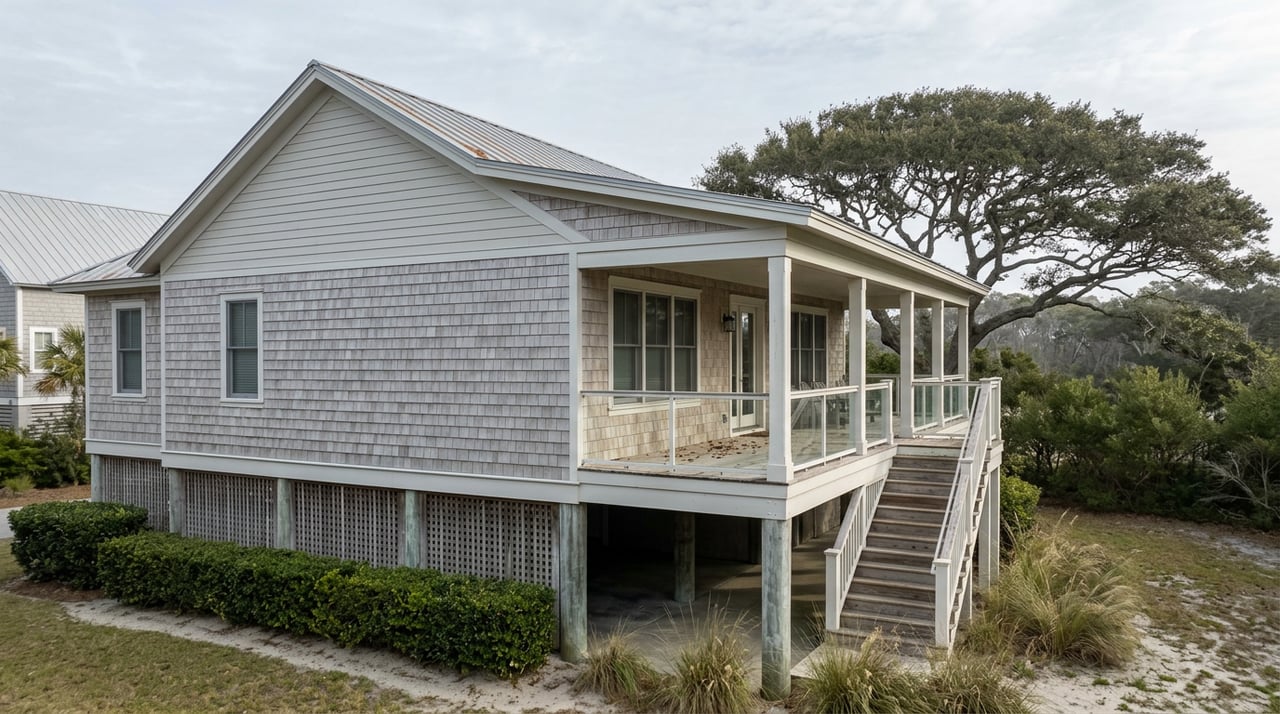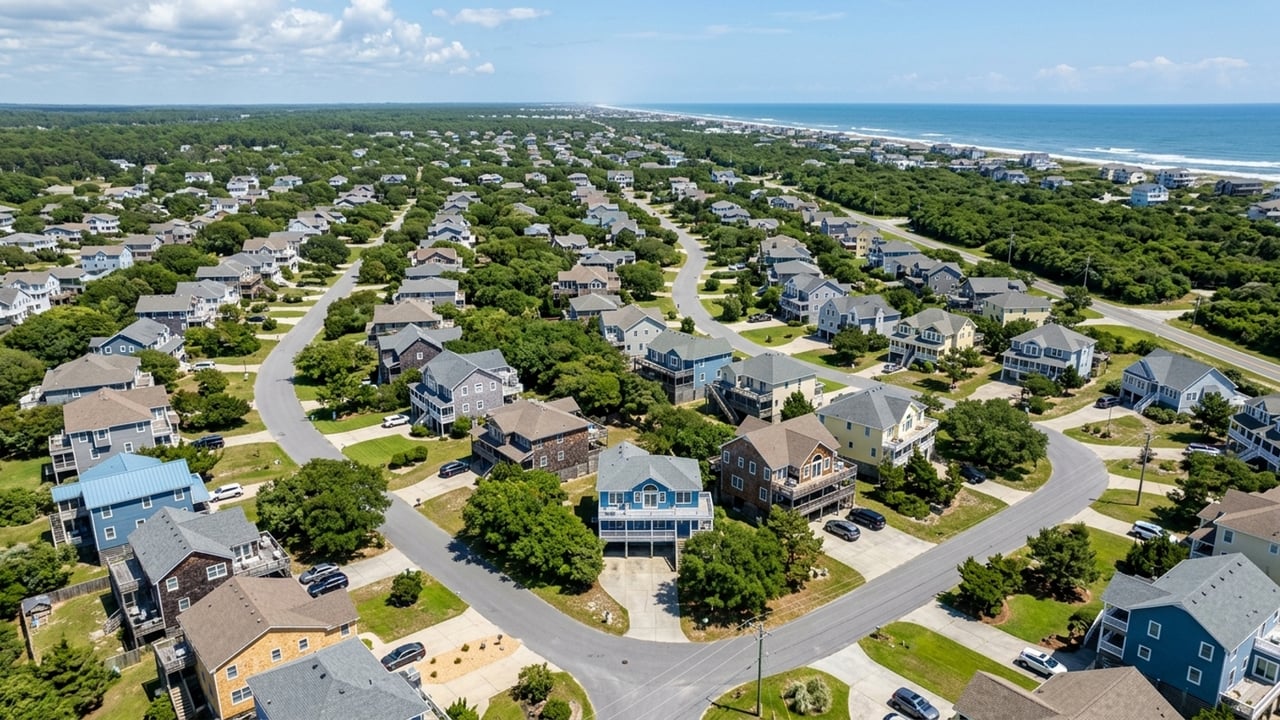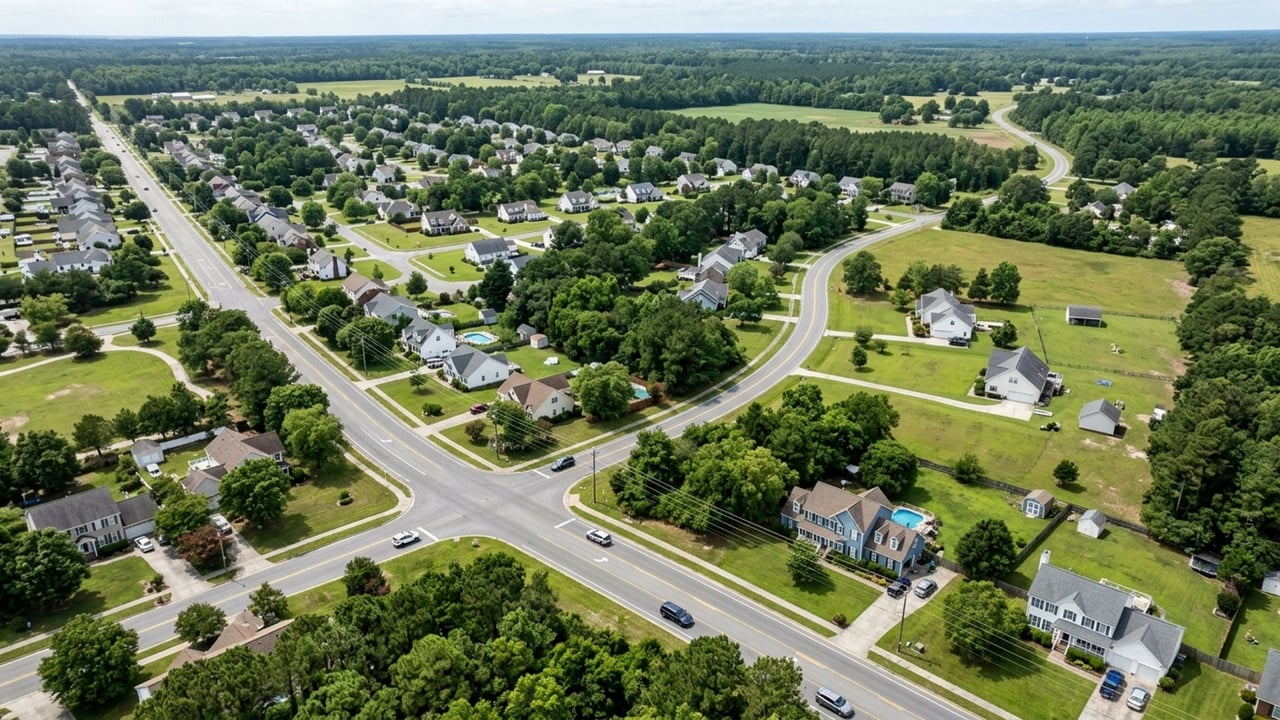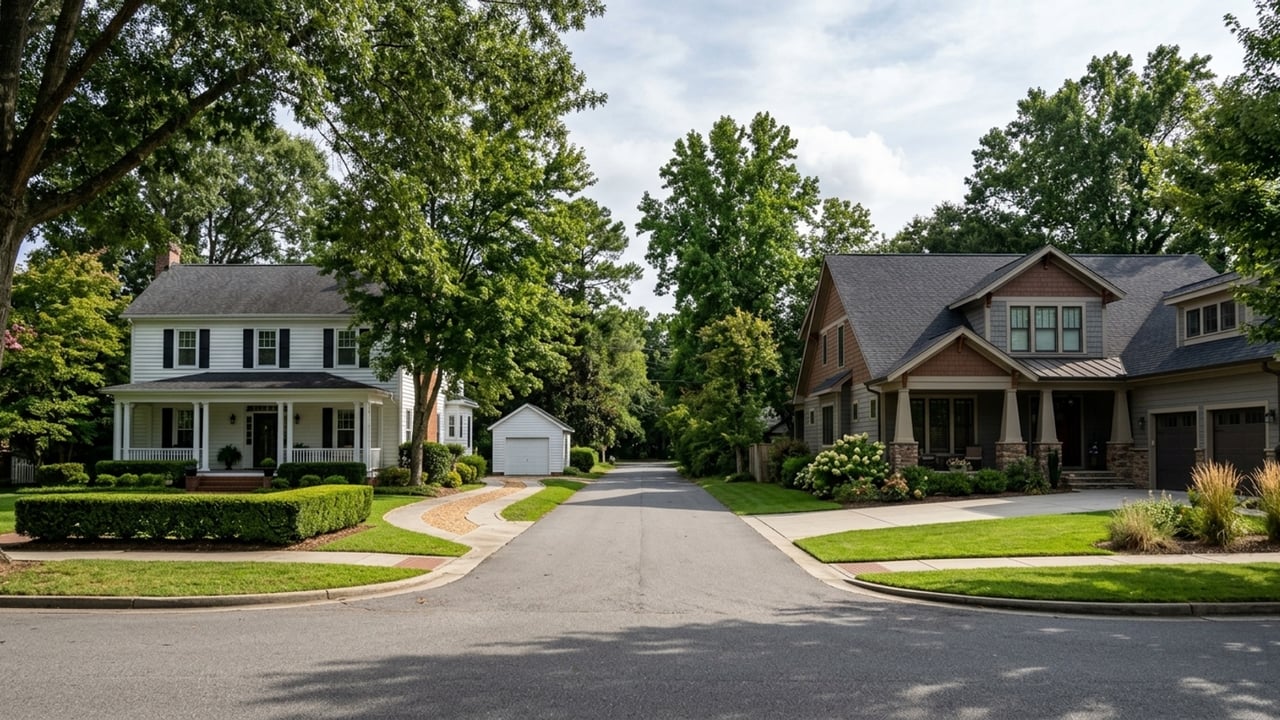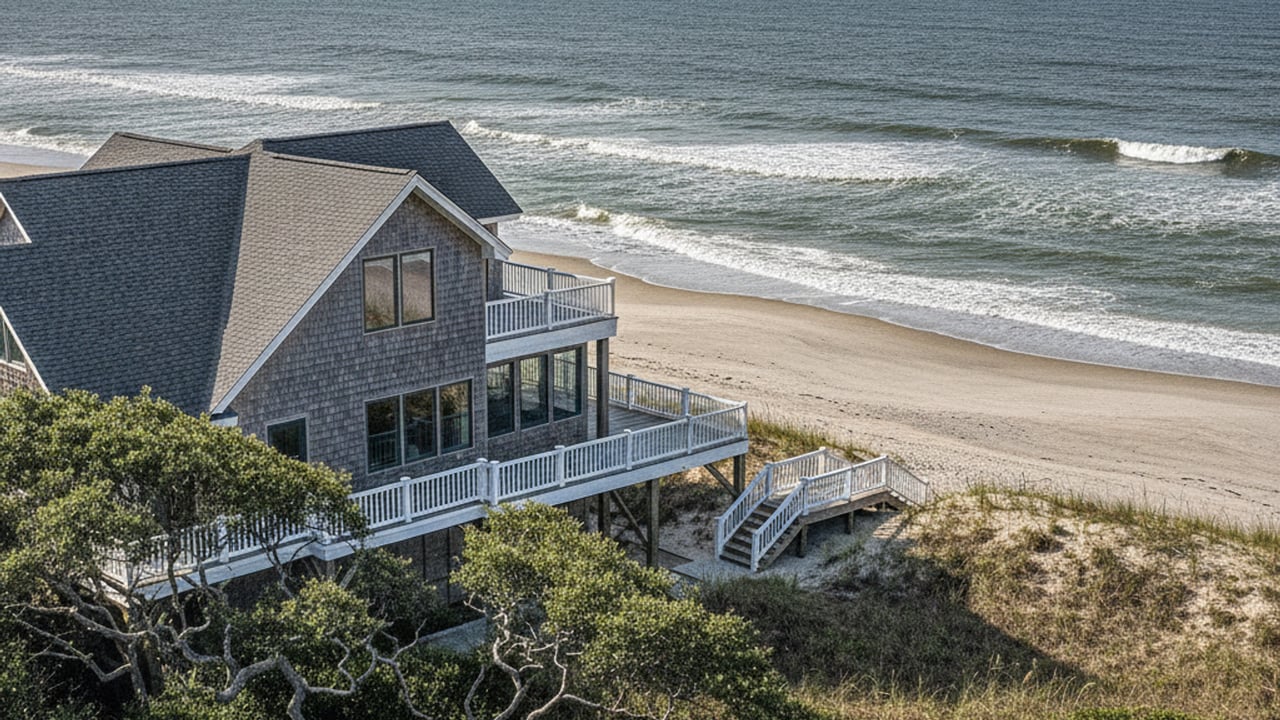
The barrier island geography of the Outer Banks means real estate in Kitty Hawk, NC is defined by its relationship to the water. Buyers looking at this stretch of the coast will find a market split between vacation rental investments and permanent primary residences. Figuring out the average cost of a home in Kitty Hawk, NC requires looking at both oceanfront properties and lots tucked into the maritime forest. Many buyers consult the best real estate agent in Kitty Hawk, NC to review these options.
Prices have stabilized around the $720,000 mark for 2026. Understanding what that number buys you means breaking down the local inventory, the distinct geographic zones of the town, and the carrying costs associated with coastal homeownership.
Current Home Prices and Market Pace
In mid-2026, the median sale price for a Kitty Hawk home sits right around $720,000. The average price per square foot is roughly $322, though this fluctuates based on the property's age and proximity to the beach. Buyers looking for single-family homes will find different price points than those shopping for condominiums.
Homes are currently staying on the market for an average of 114 days. With about 42 active listings and a 3.2-month supply of inventory, buyers have some time to evaluate their options and schedule inspections. The rush of blind offers seen in previous market cycles has cooled, allowing for a more measured purchase process.
Sellers are generally getting close to their asking price, with the average sale-to-list ratio at 96.9%. This indicates a balanced negotiation environment where buyers should present realistic offers without expecting steep discounts.
How Proximity to the Water Changes the Price Tag
A house directly on the Atlantic Ocean commands a steep premium over one situated a mile inland. Oceanfront real estate features the highest purchase prices in town because these homes generate substantial vacation rental income. Buyers purchasing on the ocean side pay for direct beach access and unblocked views.
Soundside properties offer an alternative for buyers who prefer calmer water access and sunset views. These homes often feature private docks or bulkheads and sit in a slightly lower price bracket than their oceanfront counterparts. The rental demand here is steady, often appealing to groups focused on kayaking, paddleboarding, or boating.
Interior lots provide the lowest entry price for buyers. Many of these properties sit near the maritime forest, offering natural shade and protection from coastal winds. These interior neighborhoods contain a higher concentration of primary residences and long-term rentals.
Budgeting for Property Taxes and Coastal Insurance
The 2026 Dare County property tax rate is 26.32 cents per $100 of assessed value. For a home purchased at the median price of $720,000, the annual county tax bill comes out to roughly $1,895. Buyers should factor this into their monthly escrow estimates alongside their mortgage principal and interest.
Coastal insurance policies add a distinct layer to the monthly budget. Lenders require wind and hail insurance for properties on the Outer Banks, and these policies are priced separately from standard homeowners insurance. The cost depends on the home's construction type, age, and roof condition.
Flood insurance through the National Flood Insurance Program is another expense buyers should anticipate. Rates depend entirely on the property's specific flood zone. Homes located in an AE zone will carry higher annual premiums than those mapped in an X zone, which designates an area with a lower risk of flooding.
Travel Times and Local Outdoor Amenities
US-158 serves as the main travel corridor through Kitty Hawk and down the rest of the Outer Banks. Driving south to neighboring towns like Kill Devil Hills and Nags Head takes about 10 to 20 minutes, depending on summer traffic patterns. For longer trips, the bridge connections to the mainland allow residents to reach the Hampton Roads area of Virginia in about an hour and a half.
The town maintains several public beach access points, complete with parking lots and seasonal lifeguards. Away from the sand, the Kitty Hawk Woods Coastal Reserve covers 1,800 acres of maritime forest. This state-owned reserve provides residents with miles of hiking and equestrian trails.
For buyers considering a permanent relocation, the local infrastructure supports year-round living. The town sits within the Dare County Schools district, and primary care medical facilities operate just down the highway. Grocery stores, hardware shops, and local restaurants remain open outside of the peak tourist season.
Common Questions About Buying in Kitty Hawk
What is the average cost of a home in Kitty Hawk, NC?
As of mid-2026, the median sale price is approximately $720,000. This figure blends high-end oceanfront investment properties with more modest interior homes located away from the beach.
How much are property taxes and flood insurance for a home in Kitty Hawk, NC?
Dare County property taxes are assessed at 0.2632% of the home's value. Flood insurance premiums vary widely based on elevation and FEMA flood mapping, with X-zone properties costing a few hundred dollars annually and AE-zone properties costing thousands.
How much more do oceanfront homes cost compared to soundside properties in Kitty Hawk?
Oceanfront homes can easily cost double the price of a soundside property due to the direct beach access and high vacation rental yields. Soundside homes offer a lower barrier to entry while still providing water access for boating.
How much does it cost to build a house in Kitty Hawk, NC?
Building costs depend on the price of the vacant lot, the required elevation of the pilings, and wind-resistant material requirements. Buyers should consult local Outer Banks builders for current per-square-foot construction estimates, as coastal building codes increase baseline costs.
What is the cost of living in Kitty Hawk, NC?
Housing and insurance make up the largest portion of the cost of living here. Everyday expenses like groceries and utilities align with typical coastal North Carolina averages, though some residents drive to the mainland for bulk shopping.
Is Kitty Hawk a good place to live year-round?
The town provides permanent residents with access to the 1,800-acre Kitty Hawk Woods Coastal Reserve, public beach accesses, and the Dare County Schools system. Essential services and grocery stores remain open 12 months a year, unlike some more isolated coastal communities.