Navigating Commute Times From Kitty Hawk, NC: A 2026 Buyer's Guide
Buyers eyeing the Outer Banks often underestimate how geography impacts daily logistics. Understanding the commute times from Kitty Hawk NC is a crucial step in evaluating a property purchase here in 2026. Because the town sits at the primary northern gateway to the barrier islands, residents experience a unique blend of easy regional access and hyper-local traffic patterns.
Whether you are looking for a primary residence or a lucrative vacation rental, travel logistics will directly affect your experience and your property value. The single road in and out of the northern beaches dictates the flow of daily life. Knowing exactly how long it takes to reach employment hubs, medical centers, and neighboring towns ensures you make an informed real estate decision.
Welcome to Kitty Hawk: Commute & Location Overview
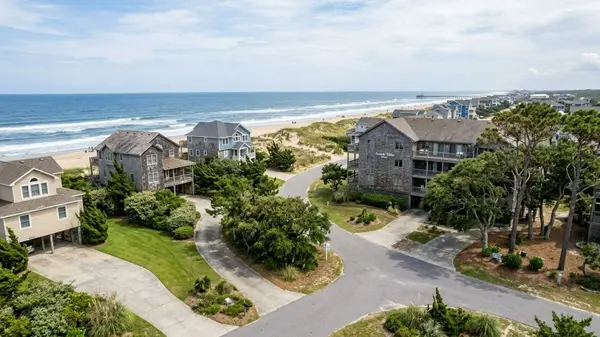
Kitty Hawk occupies a highly strategic position right at the northern entry point of the Outer Banks. It sits immediately south of the Wright Memorial Bridge, making it the first major town you encounter when arriving from the mainland. This prime location gives residents a distinct advantage over those living further south on Hatteras or Ocracoke.
During off-peak seasons, baseline drive times around the area are highly predictable and efficient. The local road network relies heavily on U.S. Route 64 feeding into US-158, locally known as the Croatan Highway. This central artery handles the bulk of regional travel and commercial transit.
Meanwhile, North Carolina Highway 12 serves as the scenic coastal route connecting the oceanfront districts. Buyers prioritizing quick mainland access will find Kitty Hawk significantly more convenient than towns located deeper down the island chain. The trade-off for this convenience is navigating the initial wave of arriving visitors before they disperse southward.
Average Commute Times to Major Hubs
Evaluating a home purchase requires a realistic look at how long it takes to reach major employment centers and neighboring municipalities. Because the Outer Banks is a remote barrier island system, reaching major metropolitan areas requires a dedicated drive. Off-island commutes are standard for many residents who work in regional hubs or travel frequently for business.
Local travel between the central beach towns is generally fast outside of peak summer months. Most daily errands, contractor runs, and property management tasks occur within a tight radius. Here is a breakdown of approximate driving times from Kitty Hawk to key regional destinations under normal, off-peak conditions:
-
Norfolk, VA: Covering approximately 73 miles, this drive typically takes 1.5 to 2 hours.
-
Elizabeth City, NC: Located 48 miles inland, expect a commute of roughly 1 hour.
-
Nags Head, NC: A quick 10-mile trip south usually requires just 15 to 20 minutes.
-
Kill Devil Hills, NC: Sitting just 4 miles away, this neighboring town is a brief 10-minute drive.
These baseline numbers represent the best-case scenario for year-round residents. Buyers planning to commute to the Hampton Roads area for work should test this drive personally before committing to a property. The 1.5-hour trip to Virginia is manageable for hybrid workers, but a daily round trip requires serious consideration.
Navigating Seasonal Traffic on the Outer Banks
The reality of coastal living means that your travel times will fluctuate wildly depending on the time of year. Summer tourist traffic severely impacts local infrastructure, transforming quick local errands into extended trips. The sheer volume of incoming visitors tests the limits of the local road network from late May through early September.
The most significant disruption occurs during the Saturday vacation rental changeover window. As thousands of visitors check out in the morning and a new wave arrives in the afternoon, the regional drive can easily see an additional 2 to 5 hours of delays. The primary bottleneck forms at the Wright Memorial Bridge, where mainland traffic funnels onto the island.
Once across the bridge, the intersection of US-158 and NC-12 in Kitty Hawk acts as the main traffic light choke point. Vehicles must slow down and navigate this major split, causing backups that stretch for miles. Smart buyers learn to schedule their mainland trips on weekdays and utilize back roads to maintain their sanity during the peak summer rush.
Access to Regional Infrastructure & Amenities
Proximity to critical infrastructure is a major selling point for Kitty Hawk real estate. Accessing commercial flights requires leaving the barrier islands entirely. Norfolk International Airport in Virginia serves as the primary aviation hub for the region.
The drive to the airport takes approximately 1.5 to 2 hours under standard conditions. The relatively straightforward highway route makes Kitty Hawk highly appealing to out-of-state buyers who plan to fly in frequently. Residents rely heavily on personal vehicles or specialized shuttle services to make this connection.
Healthcare access is another crucial factor for prospective buyers to map out. The Outer Banks Hospital is conveniently located in Nags Head, roughly 15 to 20 minutes south via the Croatan Highway. Having a major medical center less than half an hour away adds significant underlying value to properties in the northern beach towns.
How Kitty Hawk's Accessibility Influences Real Estate
Commuting logistics directly shape the local housing market and dictate property values across the northern beaches. Homes situated closer to the Wright Memorial Bridge command attention from buyers who prioritize fast mainland access. This geographic advantage helps sustain high demand regardless of broader market fluctuations.
The local inventory mix includes everything from classic single-family beach homes to modern condominium complexes. Properties positioned near the US-158 corridor offer unmatched convenience, while those tucked away on the sound side provide a buffer from heavy highway traffic. Buyers must weigh the benefits of immediate highway access against the noise of peak-season transit.
As of early 2026, median home prices in Kitty Hawk typically range from $650,000 to over $800,000. These figures vary heavily based on ocean proximity, lot size, and recent property updates. Purchasing a home in this specific corridor remains a strong investment simply because geographical barriers prevent any new roads from being built to bypass it.
Frequently Asked Questions
What is the best time to cross the bridge to the Outer Banks?
During peak summer season, the best strategy is to cross the Wright Memorial Bridge before 9:00 AM or after 6:00 PM. Midday crossings on weekends frequently result in hours of gridlock. Arriving early allows you to bypass the massive influx of Saturday vacation traffic.
How can I avoid traffic when traveling to the Outer Banks?
Adjusting your travel days to arrive on a Sunday or a weekday is the most effective way to bypass major delays. If a Saturday arrival is mandatory, utilizing Google Maps to monitor real-time bottlenecks on U.S. Route 64 and US-158 is essential. Many locals also recommend stocking up on groceries before crossing the bridge to avoid congested local stores upon arrival.
Are there passenger trains near Kitty Hawk, NC?
There is no passenger train service connecting the mainland to the Outer Banks. The region is entirely dependent on vehicular transport via the highway system. Buyers and visitors must rely on driving or booking private shuttle services from regional transit hubs.
What are the different ways to get to Kitty Hawk, NC?
The vast majority of people arrive by driving personal vehicles across the Wright Memorial Bridge via US-158. Those flying into the area typically land at Norfolk International Airport, roughly 73 miles away, and rent a car for the final leg. A handful of private shuttle companies also offer dedicated transport from Virginia directly to the barrier islands.
Categories
Recent Posts