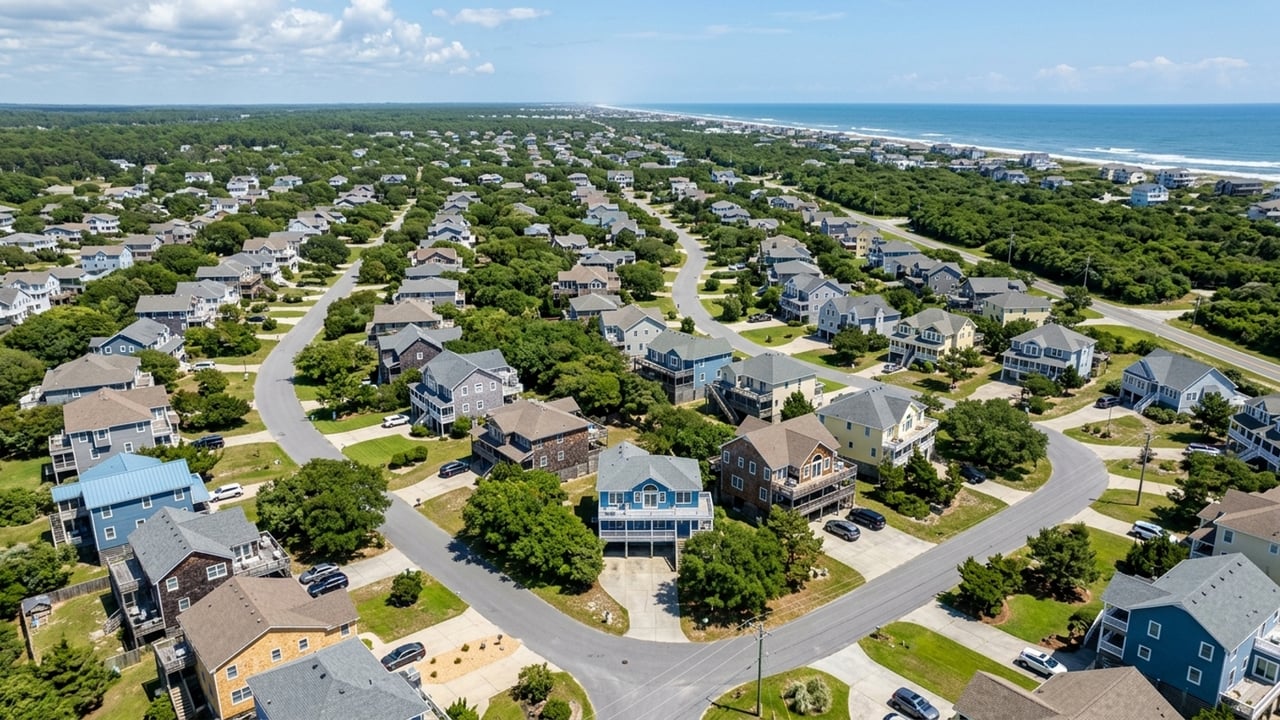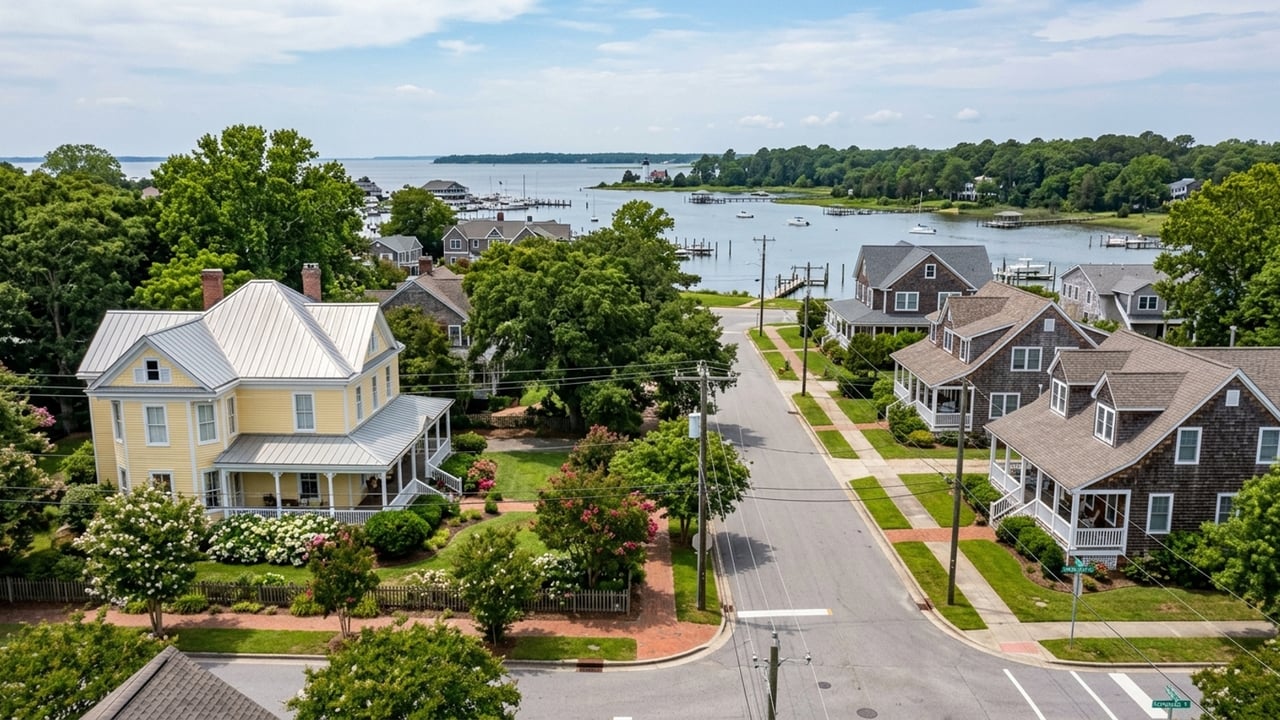
Selling a home on the Outer Banks involves more than just staging a living room and taking photos of the ocean view. Buyers looking at properties in Dare County want to know exactly what they are purchasing, from the condition of the roof to the status of the pilings. Providing accurate seller disclosures in Kitty Hawk, NC helps set clear expectations before anyone signs a contract.
State laws mandate specific paperwork to protect both the buyer and the seller during a real estate transaction. Coastal properties also come with unique environmental and municipal considerations that inland homes rarely face. Understanding what you must share about your property will keep the sale moving forward and reduce your legal liability down the road.
How North Carolina Handles Property Sales
North Carolina operates under a legal concept known as caveat emptor, which translates to buyer beware. This means buyers bear the primary responsibility for discovering any property defects before closing. They hire their own inspectors, review surveys, and assess the home's condition during the contract period.
However, this standard does not mean sellers can hide known problems. The Residential Property Disclosure Act requires home sellers to provide specific documentation to potential buyers. You must deliver these forms before a buyer makes an offer on your house.
Real estate agents carry their own set of legal obligations during a sale. The North Carolina Real Estate Commission mandates that agents must disclose any material defect they know about. Even if a seller chooses to remain silent on a specific issue, an agent cannot conceal a known problem like a failing septic system or active termite damage.
Buyers often assume that a seller's silence indicates a flawless home. The disclosure laws exist to balance the information between what the seller knows and what a standard inspection might uncover. Providing clear answers upfront builds trust and keeps negotiations focused on documented facts.
The Main Forms Required for Residential Sales
Most residential sales in the state require two primary documents to fulfill your legal obligations. These forms standardize the information buyers receive across the market. You will need to complete these documents honestly and thoroughly before listing the home.
Completing the paperwork correctly gives buyers the details they need to make an informed offer. If you fail to provide these documents before an offer is submitted, the buyer gains the right to cancel the contract without penalty. They can walk away and take their earnest money with them.
Sometimes a property's condition changes after you complete the initial paperwork. If a pipe bursts or the HVAC system fails while the home is on the market, you must update your disclosure forms. Keeping these documents current ensures buyers make decisions based on the exact condition of the home today.
- Residential Property and Owners' Association Disclosure Statement (RPOADS): This four-page document covers the physical condition of the property. It asks about the roof, foundation, plumbing, heating systems, and any owners' association fees or rules.
- Mineral and Oil and Gas Rights Mandatory Disclosure Statement (MOG): This form clarifies whether the mineral, oil, or gas rights have been severed from the property. Buyers need to know if a third party holds the rights to extract resources from the land.
- Answering the Questions: For each item on these forms, you have the option to check Yes, No, or No Representation. Checking No Representation means you are choosing not to make a statement about that specific condition, regardless of what you know.
Outer Banks and Coastal Environmental Rules
Selling a home near the Atlantic Ocean or the Albemarle Sound introduces environmental factors that buyers need to understand. Flood zone designations dictate insurance requirements, and buyers will likely need separate policies for flood, wind, and hail. You should share any existing elevation certificates or flood insurance premiums to help buyers budget accurately.
Properties along the water also fall under Coastal Area Management Act (CAMA) regulations. These rules govern what owners can build, modify, or repair near the shoreline. If you have completed any exterior work that required a CAMA permit, you should provide those records to the new owner.
Setback lines play a major role in what a buyer can do with an oceanfront lot in the future. For example, rebuilding an oceanfront home often requires adhering to a 60-foot vegetation setback line. Sharing any recent surveys or zoning compliance documents helps buyers understand the property's specific boundaries and limitations.
Local roofing and siding standards also impact coastal real estate transactions. Homes in Dare County must withstand specific wind load requirements during hurricane season. Sharing documentation of recent roof replacements or storm-rated window installations gives buyers confidence in the structure's resilience.
Managing Vacation Rentals During a Sale
Many homes in Kitty Hawk operate as short-term vacation rentals for part or all of the year. If your property is currently managed by a local rental company, you must document the existing property management agreement. Buyers need to know the terms of this contract and whether it transfers upon the sale.
Under state law, buyers generally must honor future rental bookings that are scheduled within 180 days of the closing date. You should provide a clear ledger of all upcoming reservations, advance deposits, and expected rental income. This allows the buyer to transition into ownership without disrupting scheduled vacations.
Vacation homes also experience different wear and tear than primary residences due to high turnover and coastal weather. You should report any known issues accurately, from worn decking to aging HVAC units. Being upfront about the condition of a rental property prevents surprises when the buyer conducts their own walk-through.
Selling a turnkey vacation home usually involves transferring furniture, electronics, and kitchenware. You should create a detailed inventory list separating real property from personal property. This prevents disputes over whether the patio furniture or the living room television conveys with the sale.
The Due Diligence Period and Home Inspections
Once a buyer reviews your disclosures and you accept their offer, the due diligence period begins. This negotiated timeframe allows the buyer to investigate the property thoroughly before committing to the purchase. They will typically hire professionals to inspect the roof, the pilings, the pool, and all major mechanical systems.
Buyers in Dare County also factor in local closing costs, such as the 1% land transfer tax, when planning their budget. This tax equals $1 for every $100 of the sale price. Understanding these local expenses helps buyers structure their offers and repair requests.
The length of this investigation phase depends entirely on what you negotiate in the purchase contract. Most buyers request three to four weeks to coordinate inspectors, appraisers, and surveyors. Once this deadline passes, the buyer's earnest money becomes non-refundable in most circumstances.
- The Wood-Destroying Insect Report: Buyers routinely order a WDIR 100 to check for termites, powder post beetles, and other wood-destroying pests. This is a standard procedure for coastal homes built on wooden pilings.
- Negotiating Repairs: Buyers use their inspection reports to ask for repairs or financial concessions. You can agree to fix the issues, offer a credit at closing, or refuse the request entirely.
- The Option to Walk Away: If you decline to make repairs, the buyer can terminate the contract before the due diligence period expires. They will lose their due diligence fee but get their earnest money deposit back.
Why Working with a Professional Makes Sense
Real estate laws and required forms change over time, making it easy to miss an important detail. Working with a local real estate agent or an attorney ensures you use the most current state-approved documents. They understand exactly how the 2026 regulations apply to your specific transaction.
Your agent cannot fill out the RPOADS or MOG forms on your behalf. The state requires the seller to complete these documents personally to prevent misrepresentation. However, an agent can explain what each question means and help you gather the necessary records.
Lying on a disclosure form or actively hiding a known material defect creates immense legal liability. Buyers who discover concealed problems after closing can file a lawsuit for damages. Providing honest, complete information from the start protects your finances and ensures a smoother transfer of ownership.
Real estate attorneys also play a central role in North Carolina property transfers. They handle the title search, prepare the deed, and manage the final settlement funds. Having legal representation ensures any unexpected title issues or boundary disputes get resolved before closing day.
Frequently Asked Questions
Can I just check 'No Representation' on every disclosure question?
Yes, North Carolina law allows you to check No Representation for most questions on the property disclosure statement. This places the burden entirely on the buyer to discover any issues during their inspections. However, your real estate agent must still disclose any material defects they know about, even if you check that box.
What happens if I forget to provide the North Carolina disclosure forms?
If you do not provide the required forms before a buyer makes an offer, they gain a three-day right of rescission. This means they can back out of the contract without penalty and recover their earnest money deposit. Delivering the paperwork early keeps the transaction secure and prevents unnecessary delays.