Setting Real Estate Pricing Strategies in Kitty Hawk, NC for 2026
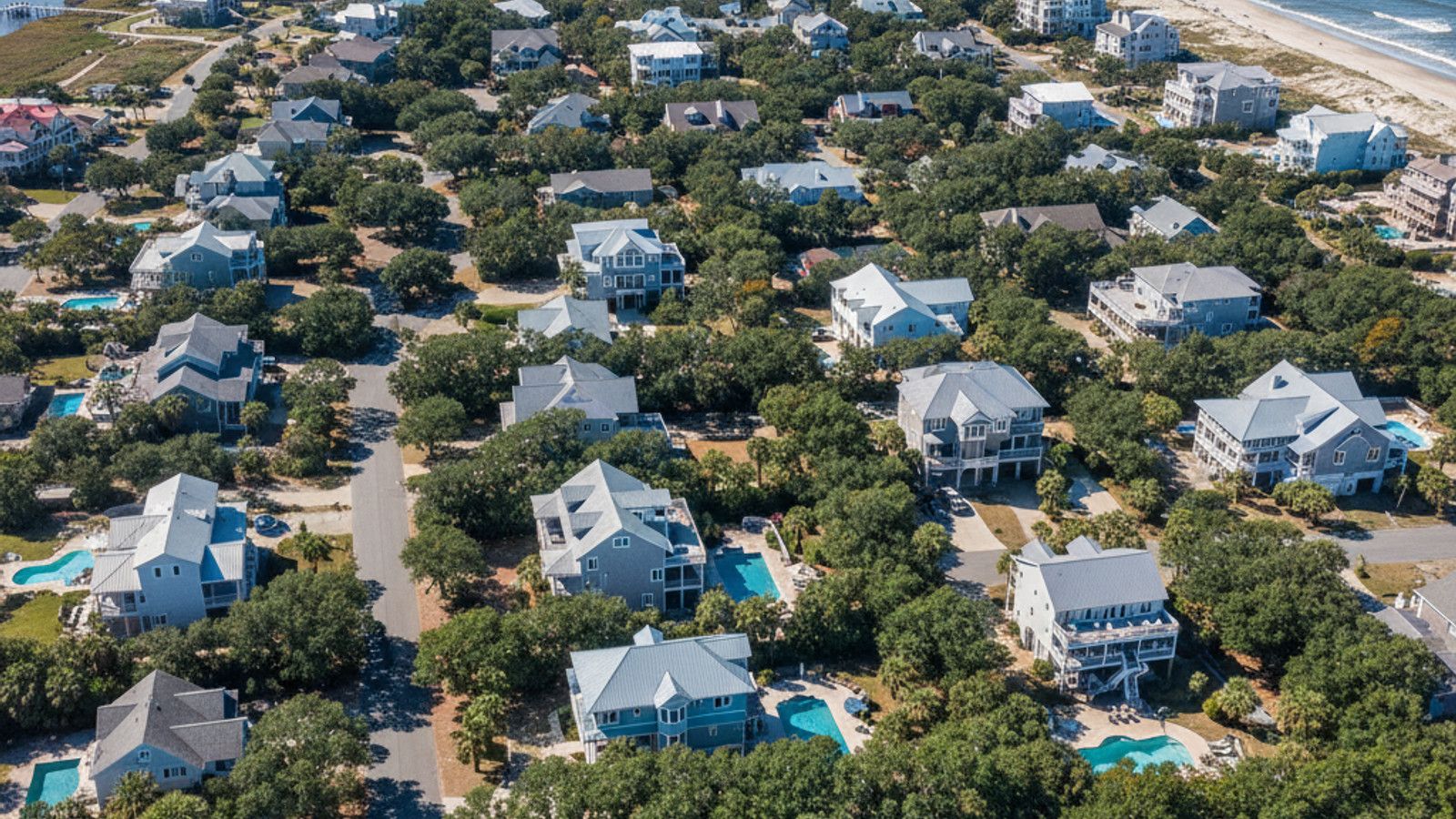
The median sale price for homes in Kitty Hawk, NC sits around $505,000 as of spring 2026. This coastal town draws a mix of primary homebuyers, second-home seekers, and short-term rental investors looking to capitalize on Outer Banks tourism.
Developing effective Pricing Strategies in Kitty Hawk, NC requires analyzing hyper-local data. Owners need to weigh property location, rental history, and structural factors like septic capacity to maximize their return on investment.
The Outer Banks experiences intense summer peaks followed by quiet winter lulls. This seasonality forces property owners to carefully evaluate their long-term financial goals before listing a home or setting rental rates.
Current Sales Trends and Market Conditions
Homes in Kitty Hawk currently spend an average of 90 days on the market before closing. Buyers have more leverage this year due to a steady rise in local inventory across Dare County.
Sellers are still seeing strong returns, with a sale-to-list ratio holding steady at 98%. This means properly priced homes rarely require deep discounts to attract a buyer.
Overpricing a listing often leads to extended days on the market and eventual price drops. Sellers should review comparable sales from the past six months to set a competitive initial asking price.
A balanced market means sellers can no longer expect multiple offers over asking price on day one. Buyers now have the time to negotiate terms, request repairs, and compare similar properties throughout the area.
How Home Style and Usage Alter Asking Prices
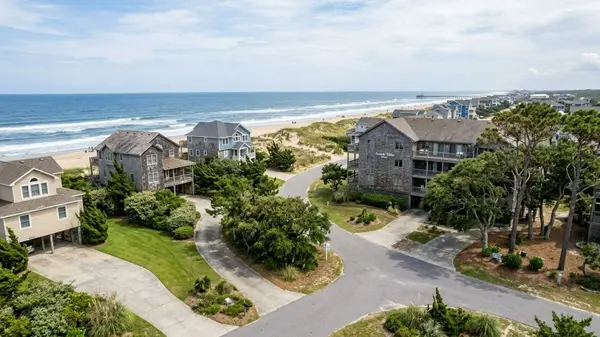
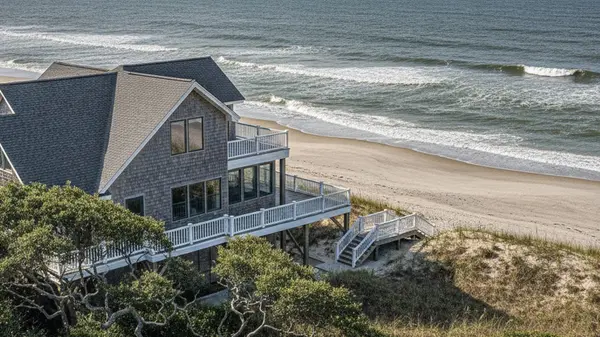
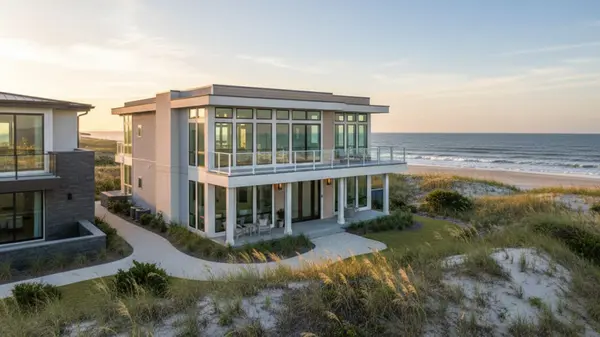
Oceanfront estates command a massive premium compared to properties located on the soundside. The closer a home sits to the Atlantic, the higher its baseline valuation and potential gross revenue.
A documented history as a successful vacation rental directly increases a property's resale value. Buyers will often pay more upfront for a turnkey investment property with existing future bookings.
Bedroom count plays a major role in both sale price and rental income projections. Large homes with six or more bedrooms can generate over $156,000 annually in short-term rental revenue.
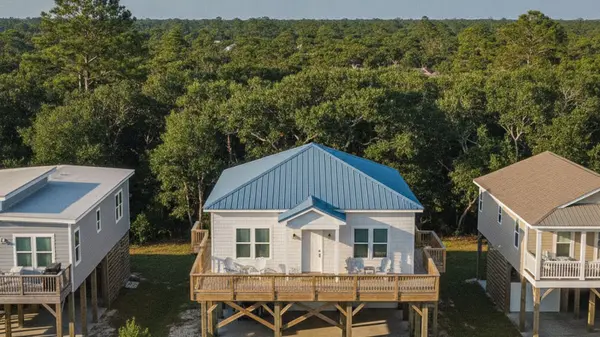
Specific amenities also drive up the baseline value of a home. Properties equipped with private pools, hot tubs, and updated outdoor living spaces consistently sell for more than comparable homes lacking these features.
Local Geography That Shapes Property Valuations
Geography dictates pricing across the Outer Banks, and Kitty Hawk is no exception. A home's exact placement between the ocean and the sound alters its desirability and insurance costs.
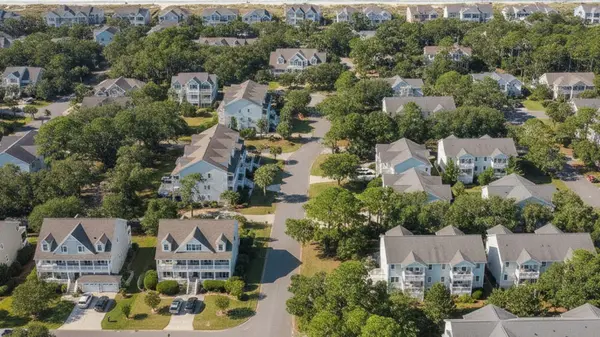
Buyers look closely at specific transit corridors and natural boundaries when comparing listings. The town stretches from the dense commercial zones along the bypass to the quiet residential streets near the sound.
Buyers evaluate these distinct zones based on their planned use for the home. Several specific local features drive up property values across the town.
-
Proximity to the reserve: Parcels bordering the Kitty Hawk Woods Coastal Reserve often sell for a premium due to the protected natural space behind them.
-
Beach access: Homes located within a short walk of public beach access points hold higher value than those requiring a drive.
-
Highway placement: Properties situated between N Croatan Highway (US 158) and NC 12 benefit from easier access to local amenities and the shoreline.
-
Flood zones: A home's FEMA flood zone designation dictates its insurance premiums. Buyers will review the property's elevation certificate to estimate these ongoing costs.
Setting Your Nightly Vacation Rental Rates
Short-term rental owners in Kitty Hawk earn an average annual revenue of $62,691. Hitting or exceeding that benchmark depends entirely on how you manage your calendar.
The average daily rate currently sits at $252, but flat pricing leaves money on the table. Owners should adjust their rates continuously to match seasonal demand patterns.
Achieving high occupancy rates requires more than just a listing on a major booking platform. Owners need to monitor local events, holiday weekends, and weather patterns to capture last-minute bookings.
-
Dynamic pricing software: Automated tools adjust nightly rates upward during peak summer weeks and lower them to attract off-season bookings.
-
Historical data analysis: Reviewing past occupancy metrics helps owners project future gross revenue and identify booking lulls.
-
Professional management: Hiring a local property management company can optimize your average daily rate, though they will take a percentage of the rental income.
Accounting for Taxes and Local Regulations
Dare County levies an occupancy tax on all short-term rentals, which directly impacts an owner's net income. Investors should factor this tax into their operating costs when projecting their return on investment.
Operating an Airbnb or VRBO requires compliance with local permitting and zoning ordinances. Buyers should verify that a property is legally zoned for short-term rental use before making an offer.
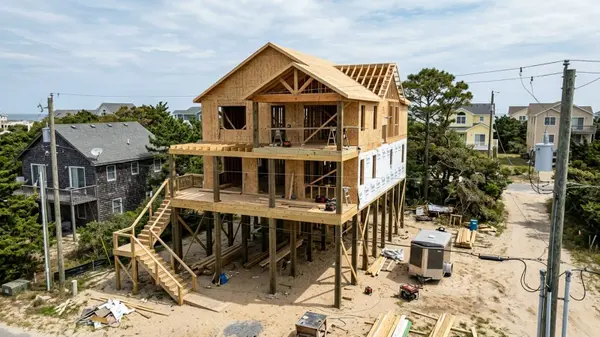
Physical maintenance requirements also shape a buyer's operating budget and the final negotiated sale price. Buyers will factor the condition of the roof, the HVAC system, and the septic tank into their initial offer.
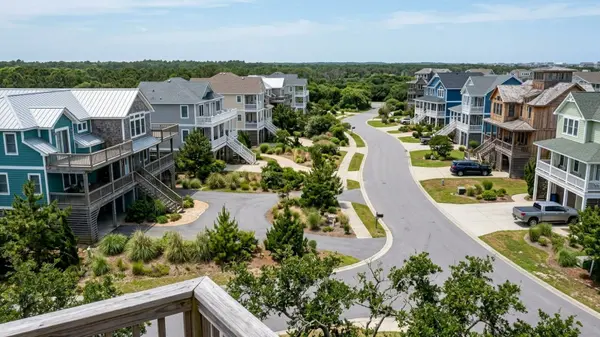
Homes with older septic systems often require immediate capital reserves. Homeowner association fees also vary widely across different subdivisions, adding another layer to ongoing expenses.
Buyers should review the HOA documents to understand what maintenance is covered. Knowing how those monthly dues affect the bottom line helps buyers make accurate offers.
Frequently Asked Questions
What is the median home price in Kitty Hawk, NC?
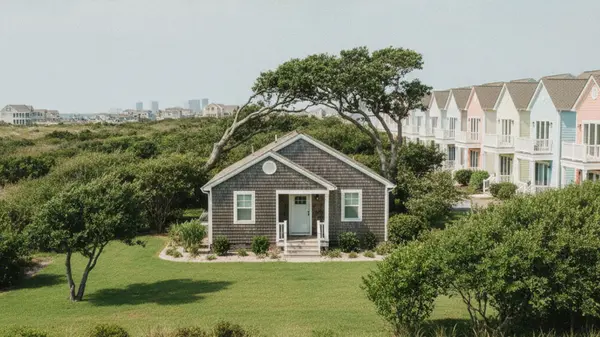
As of spring 2026, the median sale price for a home in this area is $505,000. This figure varies widely depending on whether the property is an oceanfront estate or a smaller soundside cottage.
How does dynamic pricing work for vacation rentals in Kitty Hawk?
Dynamic pricing uses software to automatically raise nightly rates during high-demand summer weeks and lower them during the winter. This strategy helps owners maximize their gross revenue instead of relying on a flat year-round rate.
How do flood zones impact home prices in Kitty Hawk?
A property in a high-risk FEMA flood zone requires more expensive insurance coverage. Buyers factor these elevated monthly premiums into their overall budget, which can lower the maximum purchase price they are willing to offer.
Categories
Recent Posts