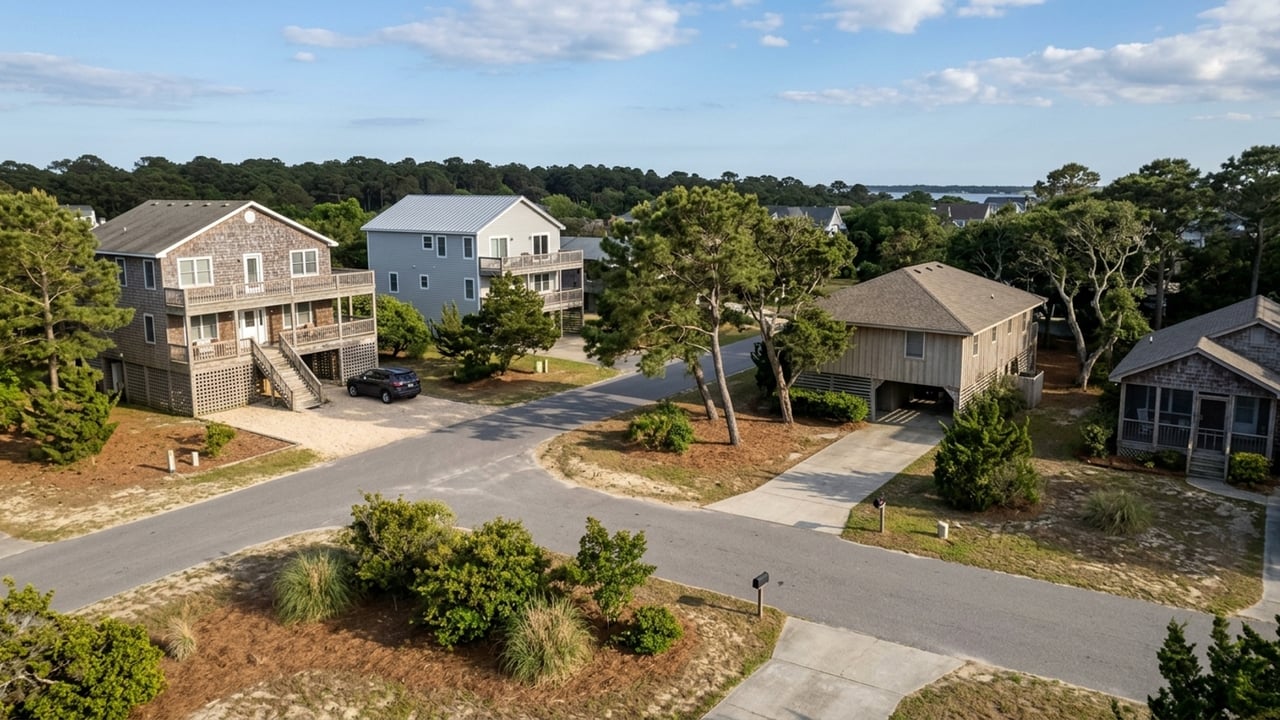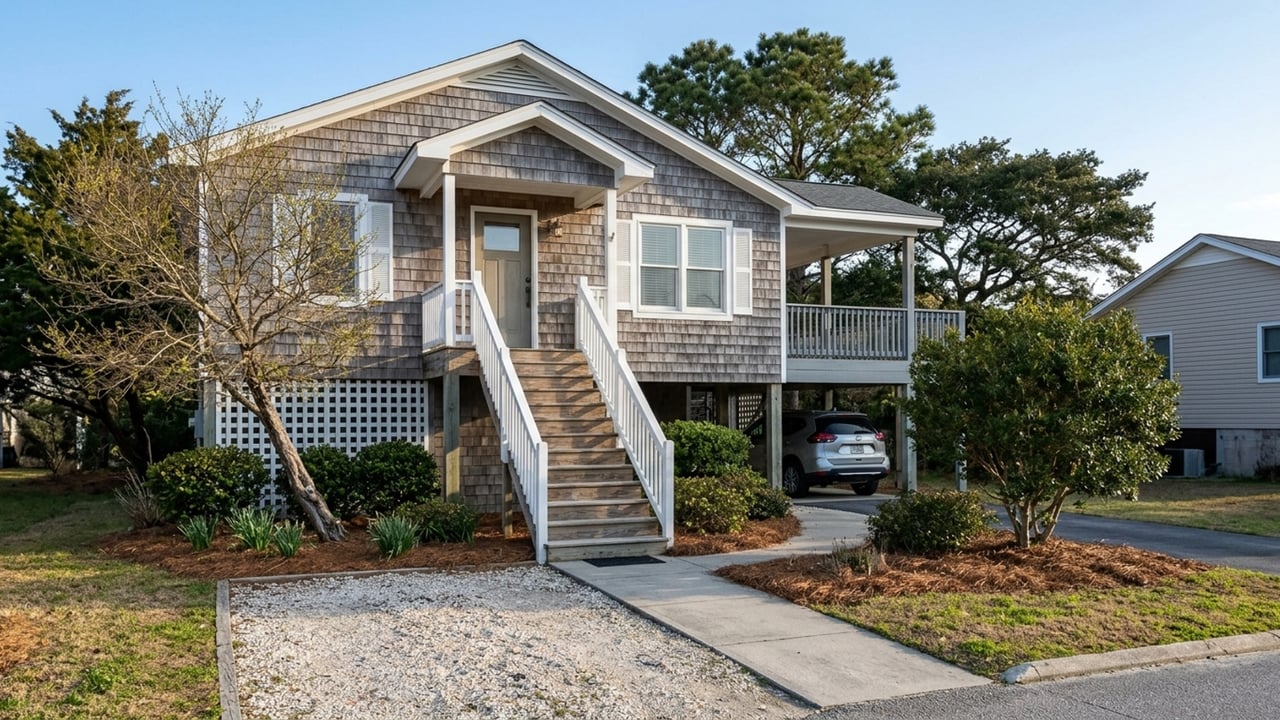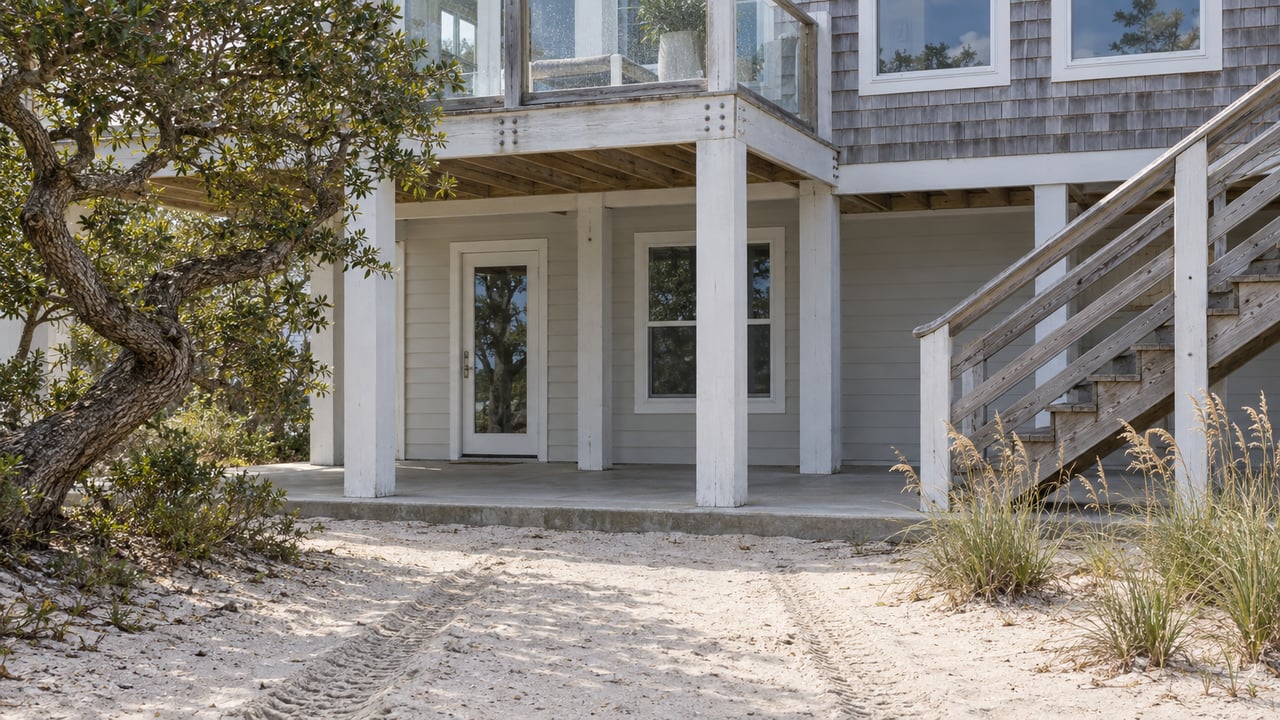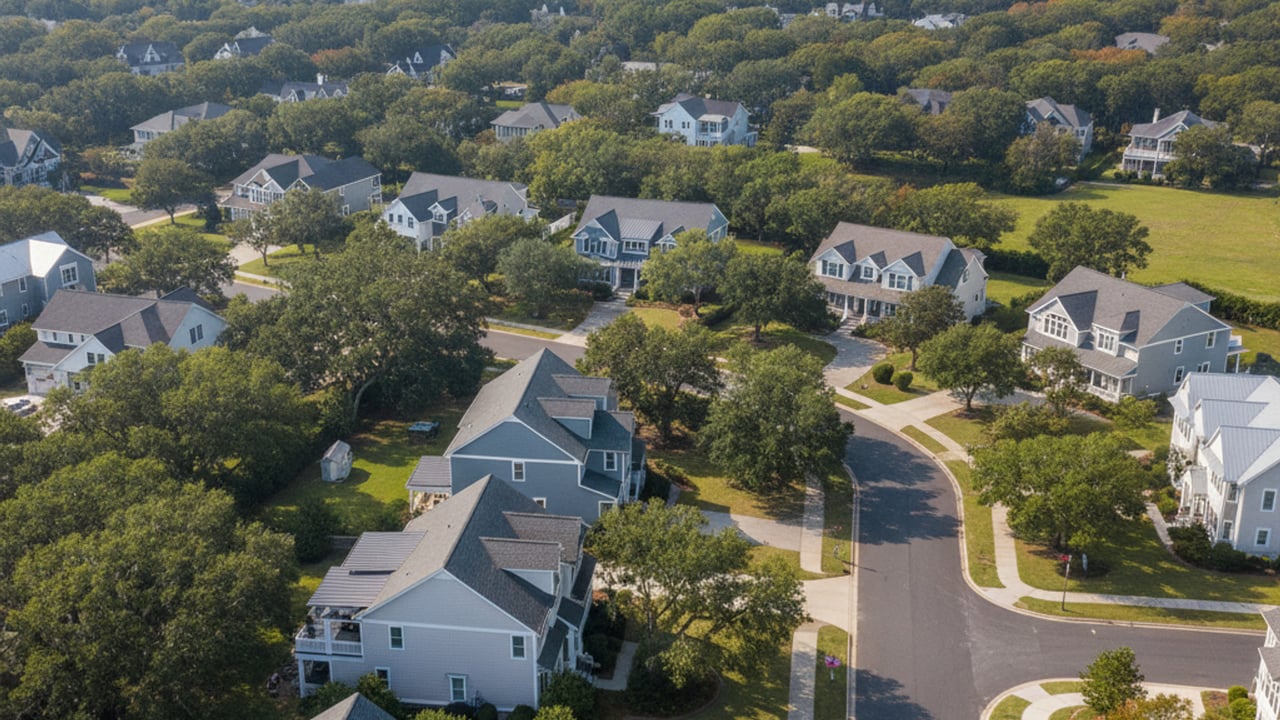
The median home price in Kitty Hawk, NC sits around $715,000 in 2026. When you sell a property at that price point, the fees paid to the real estate brokers represent one of the largest single line items on your settlement statement. It pays to know where that money goes.
Understanding exactly how these fees work has changed over the past few years. Following major industry shifts in 2024, buyers and sellers in the Outer Banks now handle broker compensation differently than they did in the past. Both parties have more control over the specific amounts they pay.
Average Agent Commissions in Kitty Hawk
Across North Carolina, the average total real estate commission hovers around 5.53% of the final sale price. For a typical Kitty Hawk home selling for $715,000, that percentage translates to roughly $39,500. This is a substantial amount of equity to part with at the closing table.
This total percentage does not go into the pocket of a single person. It represents the total pool of funds used to compensate both the listing brokerage and the buyer's brokerage for their work on the transaction. The brokers then distribute portions of those funds to the individual agents.
The exact dollar amount fluctuates based on the final negotiated sale price of the property. Sellers do not pay this fee upfront out of their checking account. The closing attorney deducts it from the proceeds before issuing the final payout to the seller.
How Brokers Split the Fee
Historically, that 5.53% total was divided relatively evenly between the two sides of the transaction. The listing agent typically retained about 2.8%, while the remaining 2.73% went to the buyer's agent. This split was baked into the listing agreement before the house ever hit the market.
The 2024 National Association of Realtors settlement changed how these splits are advertised and structured. Listing agents no longer automatically offer a portion of their fee to the buyer's agent through the multiple listing service. The compensation for the buyer's representative is now handled outside of the MLS platform.
Buyers and sellers now sign separate representation agreements that outline exactly what their respective agents will earn. This means the two sides negotiate realtor fees independently of one another before looking at homes or listing a property. A buyer knows their agent's cost upfront, and a seller knows their listing cost upfront.
Who Pays the Agents at Closing
The seller's proceeds still cover the listing brokerage's fee directly out of the sale price. When the closing attorney disburses the funds, they route the agreed-upon listing percentage straight to that broker's office. The seller walks away with the remaining equity after paying off their mortgage and other closing costs.
Buyer agent compensation requires a different approach under the current rules. Buyers can pay their agent directly out of pocket, but many lack the extra cash after covering the down payment and loan costs. This creates a hurdle for buyers trying to enter the market.
To keep deals moving, many sellers offer a closing cost concession that the buyer can apply toward their agent's fee. This strategy keeps the property competitive without requiring the seller to guarantee a specific buyer agent payout upfront. The buyer simply writes the concession into their purchase offer.
What Your Listing Agent Does for the Money
A listing broker manages the marketing, legal compliance, and negotiation required to sell a property. In North Carolina, the fee also funds the required oversight from a broker-in-charge, especially if your agent is a provisional broker. This oversight ensures all contracts comply with state real estate laws.
Local expertise plays a major role in how a property is positioned to potential buyers. An Outer Banks agent highlights specific geographic details that matter to out-of-town buyers and local residents alike. They know how to market the unique aspects of a coastal property.
- Property marketing: Professional photography, 3D tours, and placement on the local MLS ensure the home reaches the widest possible audience.
- Highlighting local amenities: Agents emphasize proximity to public beach access points, the Kitty Hawk Woods Coastal Reserve, and direct routes to US-158.
- Contract negotiation: The agent handles repair requests, appraisal gaps, and contingency timelines to keep the transaction on track.
Negotiating Rates in the Outer Banks
The North Carolina Real Estate Commission does not set or enforce standard compensation rates. Sellers should always treat the listing fee as a negotiable term when interviewing potential agents. You can ask an agent to lower their percentage before signing the listing agreement.
Some sellers opt for alternative models to reduce their expenses. Flat fee MLS services allow sellers to list their home for a few hundred dollars while handling the showings and negotiations themselves. This works for owners who feel comfortable managing the daily tasks of a real estate transaction.
Discount brokerages offer another route, sometimes saving sellers 1% to 1.5% in exchange for a more limited service package. Sellers should weigh the upfront savings against the potential need for hands-on support during complex negotiations. A lower fee might mean less direct marketing for the property.
Dual agency also impacts the final cost of the transaction. If the same agent represents both the buyer and the seller, they may agree to lower the total percentage since they are keeping the entire fee within one brokerage. North Carolina allows dual agency as long as all parties consent in writing.
Frequently Asked Questions
Do North Carolina real estate commission rates vary by city?
Rates fluctuate slightly depending on the specific local market and property type. Coastal vacation markets like the Outer Banks often see different average percentages than inland urban centers like Raleigh or Charlotte. The type of property being sold also influences the final rate.
Are real estate agent fees included in closing costs?
The agent fees appear as a line item on the final closing disclosure alongside taxes and title fees. The seller's portion is deducted directly from their home equity, meaning they do not write a separate check for the agents. Buyers paying their agent out of pocket will see that charge added to their cash-to-close total.