Purchasing real estate on the Outer Banks requires a clear understanding of coastal market dynamics. For those looking to establish roots here, the landscape has shifted significantly over the past few years. Entering the market today means navigating unique geographic constraints and specialized loan requirements.
The barrier islands offer a distinct lifestyle centered around ocean access and maritime forests. Buying property in this specific municipality provides a central location with robust year-round infrastructure. Navigating the 2026 market requires buyers to balance their lifestyle goals with strict financial realities.
Preparation is the most valuable asset you can bring to your property search. Understanding local pricing, insurance mandates, and infrastructure will give you a distinct advantage over unprepared buyers. This comprehensive breakdown will help you approach your Outer Banks property search with absolute confidence.
Navigating the First-Time Home Buying Process in Kitty Hawk
Successfully entering the Outer Banks real estate market starts with establishing a solid financial foundation before you ever tour a property. You need to verify your credit history, outline a strict monthly budget, and gather your tax documents. Securing pre-approval from a local mortgage lender who understands coastal properties is a critical early step.
Local loan officers know exactly how to factor in the unique carrying costs of coastal real estate. With average home prices hovering between $650,000 and $750,000 in early 2026, knowing your exact purchasing power prevents wasted time. Relying on an out-of-state bank is a common mistake that often delays closings due to their unfamiliarity with coastal insurance mandates, so always choose a local lender.
Working with a local real estate agent is equally important when evaluating the multiple listing service. An experienced professional will help you identify properties that meet current structural codes and zoning regulations. They can also guide you away from homes that might require extensive deferred maintenance.
Current Market Inventory and Property Types
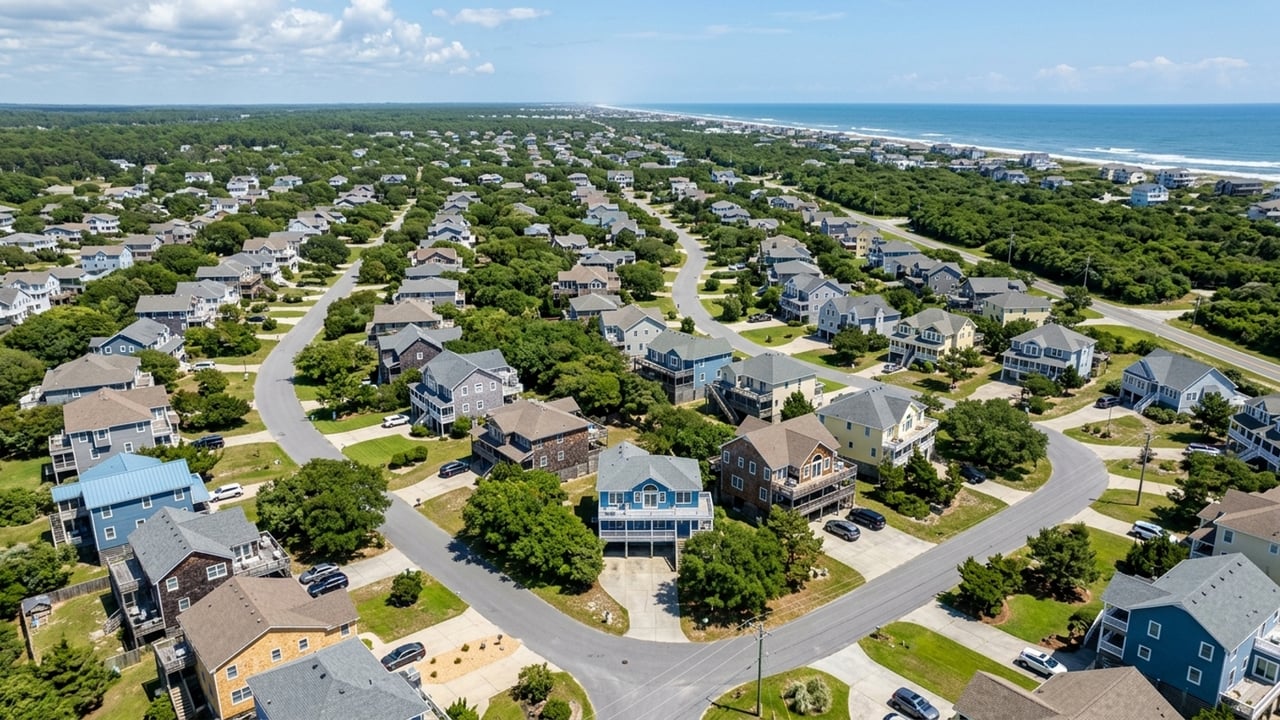
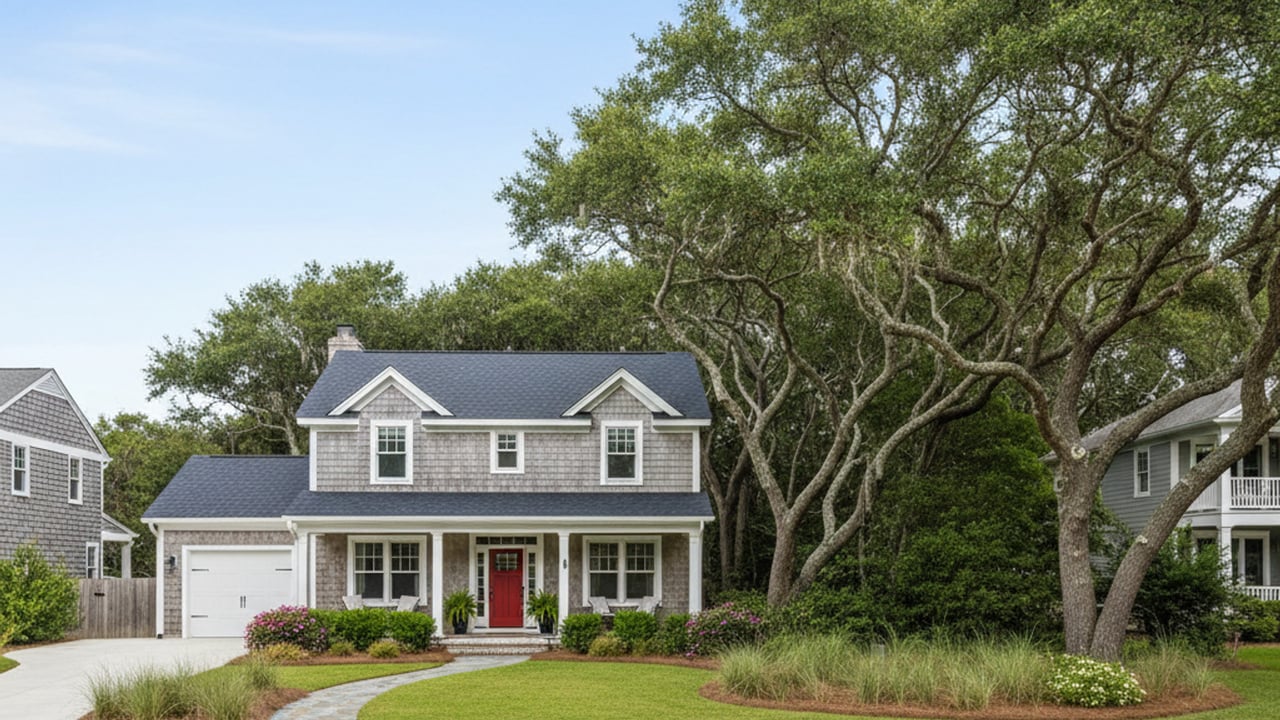
The property landscape in this area offers everything from traditional single-family homes on the westside to oceanfront condos. Coastal cottages often feature reverse floor plans to maximize views, but they may require higher maintenance budgets due to salt air exposure. Condominiums provide a lower-maintenance entry point, though buyers must carefully review the associated HOA dues.
Your property choice will heavily depend on whether you intend to use the home as a primary owner-occupied residence or a vacation rental. Westside properties tucked into the maritime forest generally offer more protection from coastal weather and appeal to full-time residents. Meanwhile, properties closer to the ocean command premium prices and are heavily utilized as investment homes.
Current market inventory levels in 2026 require buyers to act decisively when a properly priced home hits the market. Typical days on market can be remarkably short for turnkey properties that do not require immediate renovations. Having your financial paperwork fully organized allows you to submit a competitive offer without hesitation.
Financial Considerations and Assistance Programs
Financing a home on the Outer Banks involves specific financial hurdles that differ from inland markets. Standard loan options like FHA, VA, and conventional mortgages are readily available through local banks. However, down payment requirements and debt-to-income limits are often strictly enforced to account for the added expenses of coastal ownership.
Beyond the base mortgage, buyers must account for higher property taxes, specialized insurance premiums, and potential property management fees. State-level assistance programs provide excellent opportunities to offset some of these initial closing costs. Securing local financial assistance should be your top priority, as keeping cash on hand is vital for unexpected coastal maintenance.
Buyers interested in investment properties must understand that interest rates for second homes generally run higher than those for primary residences. A larger down payment is typically required to secure favorable loan terms on a vacation rental. Discussing these specific loan structures with your creditor early on will help you set realistic expectations for your monthly payment.
NC Housing Finance Agency Down Payment Assistance
The NC 1st Home Advantage Down Payment program is a valuable resource for eligible buyers in 2026. This initiative offers up to $15,000 in down payment assistance structured as a zero-percent deferred second mortgage. The assistance is entirely forgiven if you remain in the home for 15 years, making it highly advantageous for long-term residents.
To qualify for this funding, buyers must meet specific financial criteria set by the state. You will need a minimum credit score of 640 and must fall under the program's strict income limits, which are capped at $152,000 for this year. Additionally, the maximum sales price limit for an eligible property is currently restricted to $495,000.
Utilizing this program can drastically reduce the amount of cash you need to bring to the closing table. The funds can be applied directly toward your down payment, leaving your personal savings intact for moving expenses. Your loan officer can handle the application process for this state-level grant alongside your primary mortgage paperwork.
Dare County Property Taxes and Coastal Insurance
Ongoing costs are a major factor when calculating your true monthly payment. The 2025-2026 Dare County revenue-neutral property tax rate sits at approximately 0.2632 cents per $100 of assessed value. While the county tax rate is relatively low compared to national averages, town-specific taxes will add to your total escrow requirements.
Specialized coastal insurance is an absolute necessity and often the largest variable in your budget. You will need comprehensive coverage that includes separate policies for flood, wind, and hail damage. Your specific flood zone designation will directly impact these insurance premiums, making elevation certificates a crucial part of your due diligence.
Many first-time buyers are surprised by how escrow accounts function for coastal real estate. Lenders typically require you to prepay several months of these high insurance premiums upfront at closing. Factoring these upfront escrow requirements into your initial budget is critical to avoid financial strain during the purchase process.
Kitty Hawk Community Features and Infrastructure
Understanding the geographical footprint of the town is essential for setting your daily routine. The area is primarily divided by two main transit corridors: US-158, known locally as the bypass, and NC-12, the beach road. These routes dictate local commuting patterns and provide direct access to neighboring municipalities.
Proximity to essential services is a major selling point for real estate in this section of the Outer Banks. Commutes to adjacent towns like Kill Devil Hills and Nags Head typically take less than 15 minutes outside of peak tourist season. Buyers often underestimate summer traffic patterns, so purchasing a home with easy access to the westside multi-use paths offers a massive quality-of-life upgrade.
The layout of the town ensures that commercial amenities are heavily concentrated along the main bypass. This centralized commercial zoning keeps residential streets relatively insulated from heavy retail traffic. Navigating these distinct zones will help you identify the neighborhood layout that best fits your daily needs.
Public Amenities, Parks, and School Districts
The town maintains extensive public infrastructure, including multiple beach access points equipped with dedicated parking areas. Residents also benefit from inclusion within the Dare County Schools district. For outdoor recreation, the Kitty Hawk Woods Coastal Reserve offers miles of protected maritime forest trails.
Additional community spaces like Sandy Run Park provide boardwalks and kayak launches for daily recreation. Access to healthcare is also straightforward, with The Outer Banks Hospital located just a short drive south in Nags Head. These established public amenities strongly support long-term property values throughout the municipality.
Reliable public utilities and municipal services further enhance the appeal of establishing a primary residence here. Waste management, recycling centers, and dedicated emergency services operate efficiently year-round. Evaluating the proximity of these public services to your prospective home will ensure a smooth transition into the community.
Frequently Asked Questions
What is the income limit for first-time home buyers in NC?
The NC Housing Finance Agency currently enforces an income limit of $152,000 for their primary assistance programs in 2026. This cap applies to the total household income of the applicants seeking financial support. Meeting this requirement allows buyers to access valuable programs like the $15,000 down payment grant.
How are property taxes calculated in Dare County?
Property taxes are calculated using the assessed tax value of your home multiplied by the combined county and town tax rates. For the 2025-2026 fiscal year, the Dare County rate is approximately 0.2632 cents per $100 of value. Your exact annual bill will vary based on your specific municipal district within the Outer Banks.
Trying to choose between a condo and a beach house in Kitty Hawk?
Condos offer a streamlined entry into homeownership with exterior maintenance and community insurance policies managed by an HOA. A standalone beach house provides total control over the property but requires you to personally fund all structural upkeep and specialized coastal insurance policies. Your choice should align closely with your available time for property management and your long-term maintenance budget.