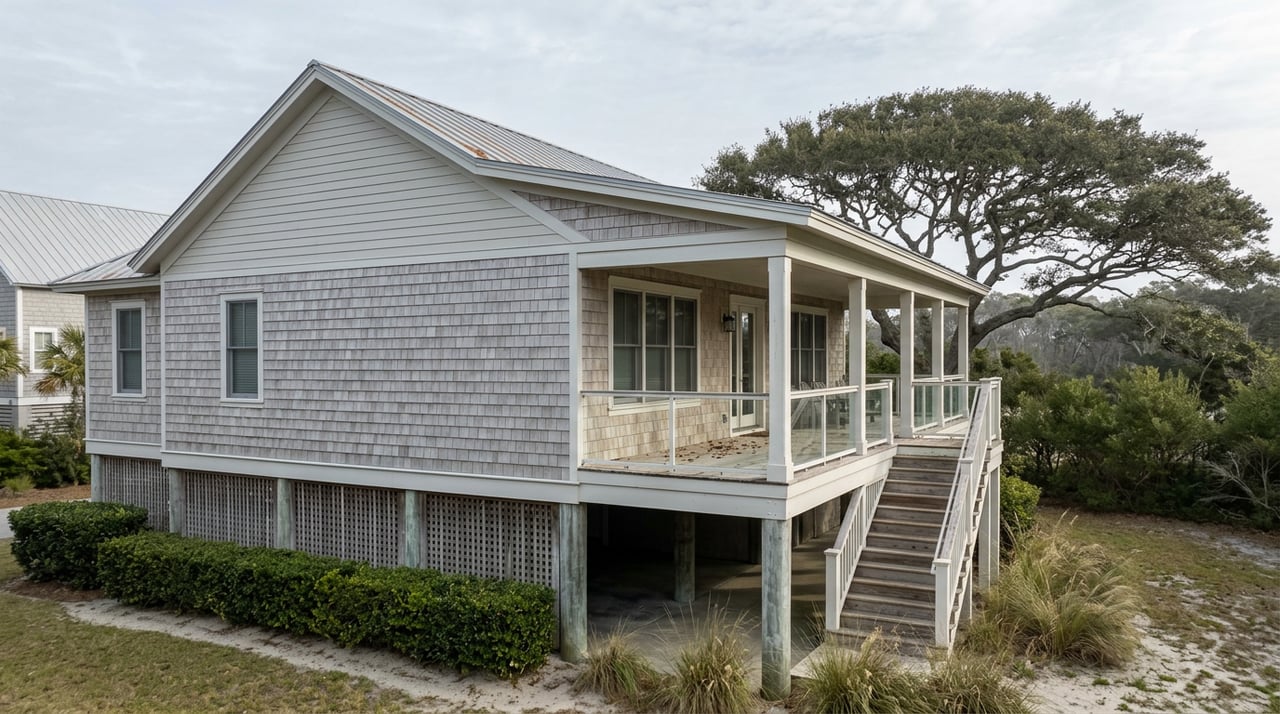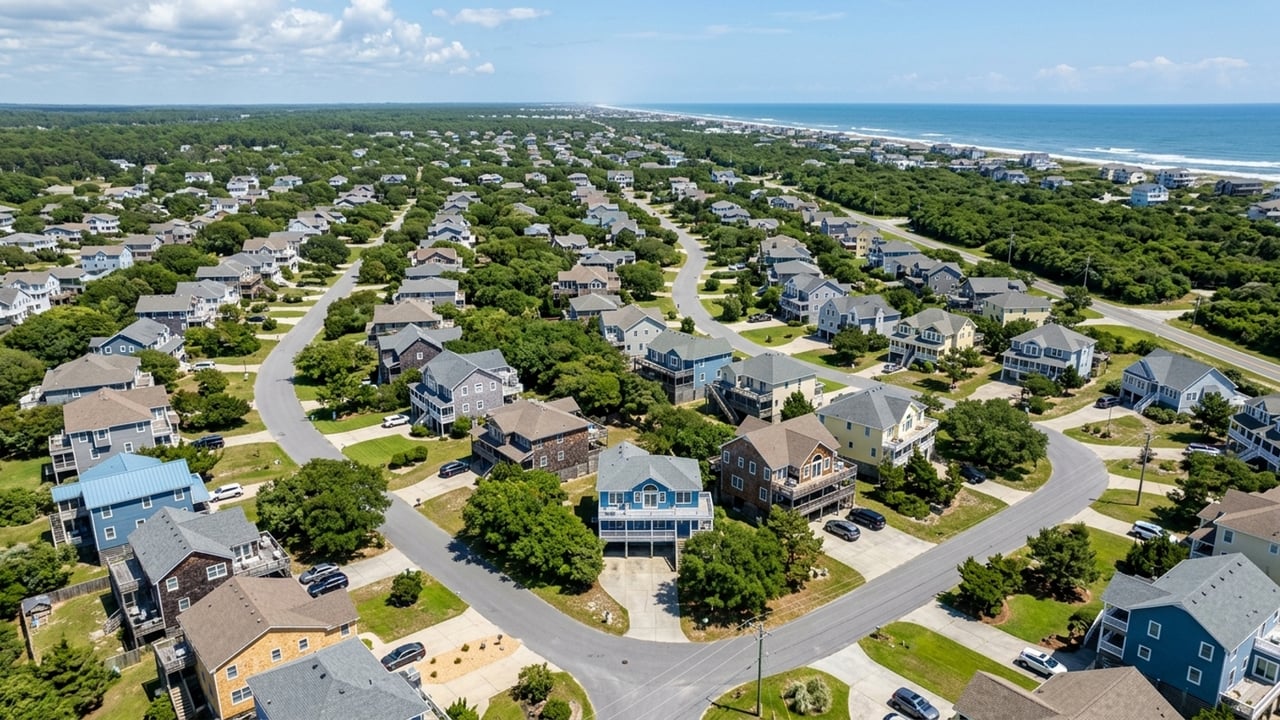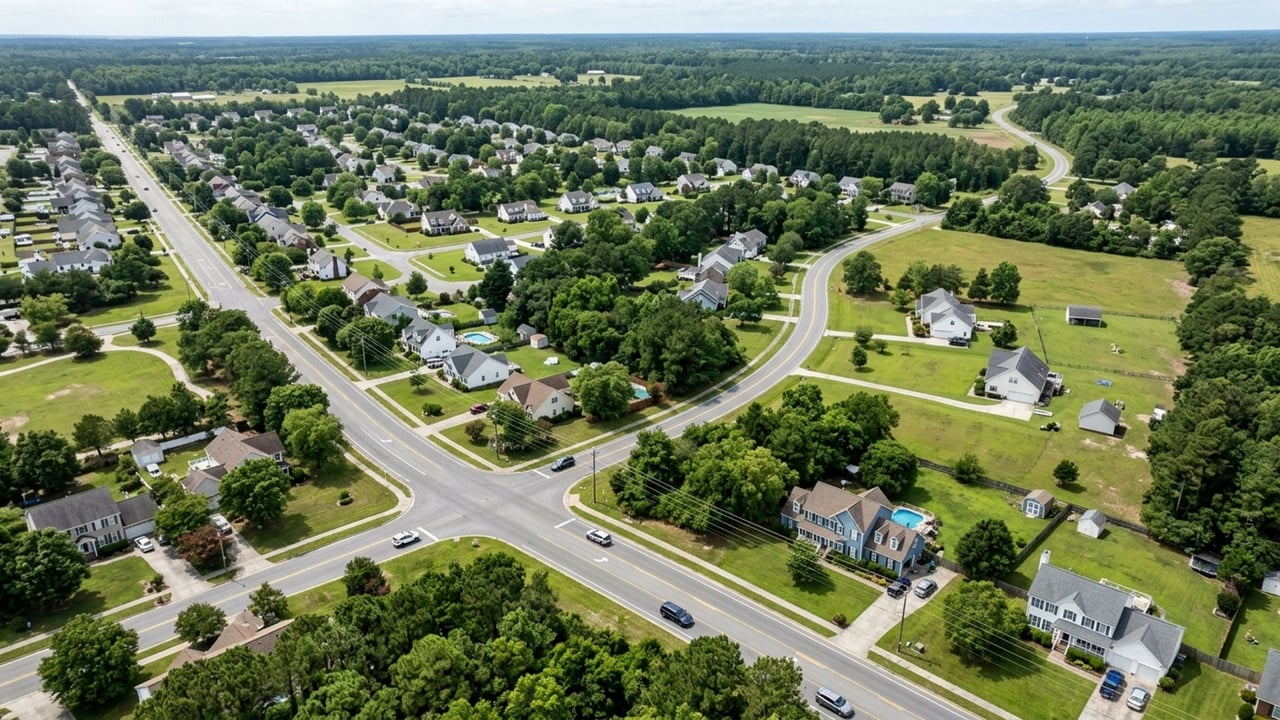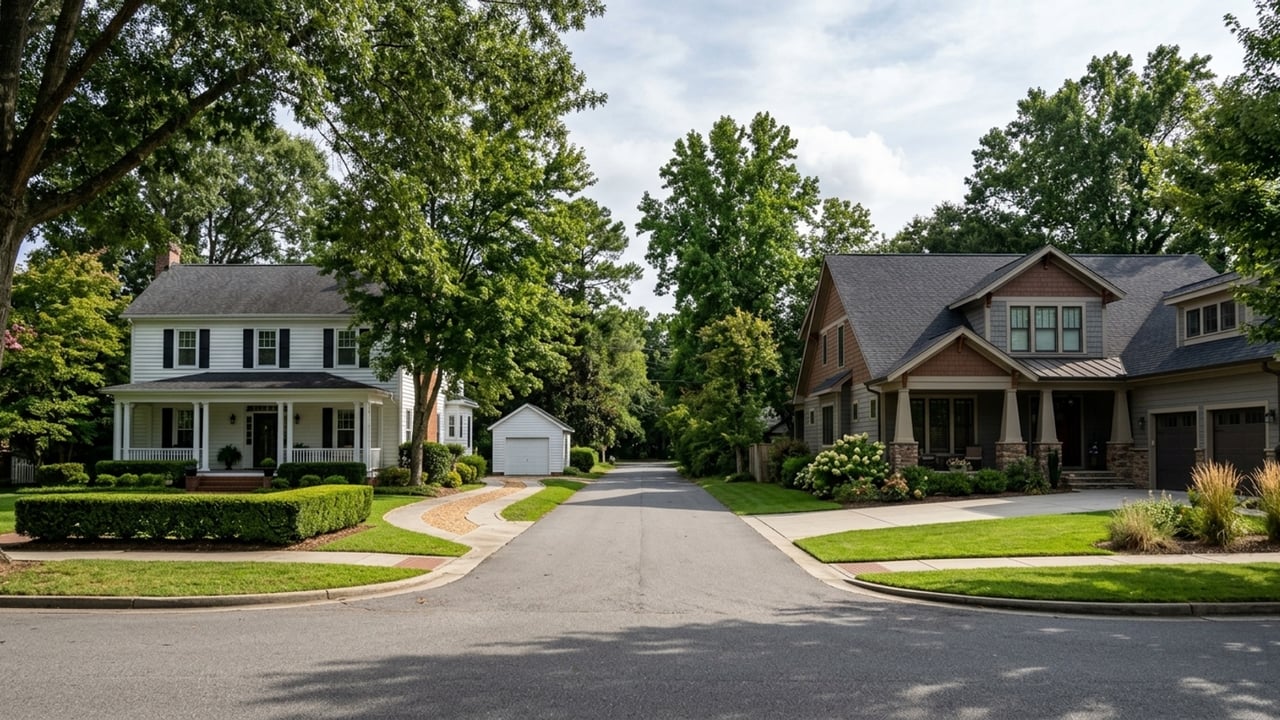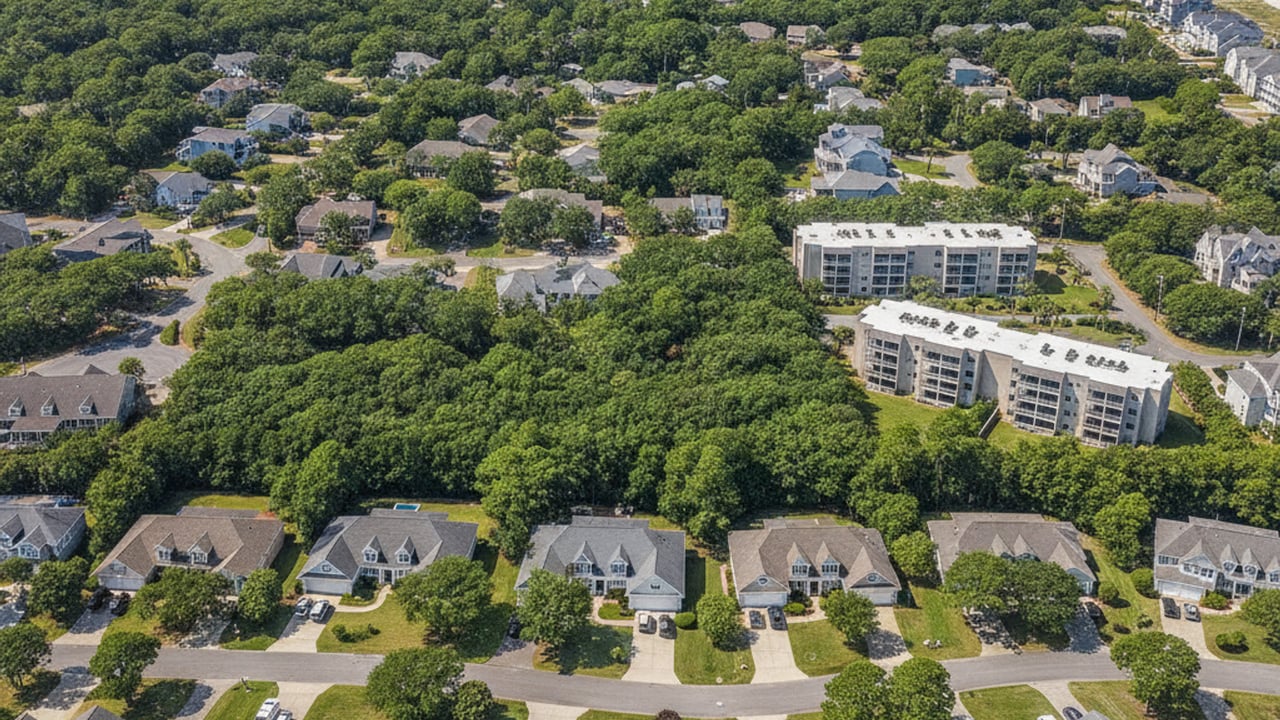
The median home price in Kitty Hawk, NC is roughly $720,000, and homes sit on the market for an average of 114 days. If you're looking for retirement communities and envision living in Kitty Hawk, NC, you'll find a mix of single-family homes, condos, and dedicated care facilities - not a huge inventory, but a real one. Right now there are about 42 available homes across the broader market.
From independent senior living to specialized care, the Outer Banks offers several paths for older adults. The trick is knowing which one fits where you actually are in life, not just where you expect to be.
Overview of 55+ and Retirement Communities in Kitty Hawk, NC
Kitty Hawk is a small town in the most literal sense - just a handful of distinct neighborhoods, which gives it a cohesive feel that larger beach markets don't have. Buyers searching for over 55 communities here typically look at either specific deed-restricted enclaves or broader neighborhoods that happen to appeal to older adults.
Federal laws govern how age-restricted neighborhoods operate, dictating who can live in the home and how the property can be marketed. Understanding those rules before you fall in love with a listing saves a lot of headaches later.
Housing Options for Seniors
The local market runs the range from standard single-family homes in quieter subdivisions to dedicated senior apartments. The core question is whether you want a standalone house with an HOA handling exterior maintenance, or a facility with on-site staff. Some residents prefer the sound side near Sea Scape Golf Links; others want to be closer to the ocean. Budget and how much you care about a beach walk usually settle it.
How the 80/20 Age Rule Works
Under the Housing for Older Persons Act (HOPA), a 55 plus community must have at least 80 percent of its occupied units inhabited by at least one person who is 55 or older. That's the 80/20 rule.
The remaining 20 percent can theoretically house younger residents, but individual HOAs often write bylaws that are stricter than federal minimums. Read the specific covenants of any Kitty Hawk, NC 55 plus community before you assume you know the rules.
Senior Living Categories Explained
The level of medical care and daily assistance is what actually separates these categories - not the brochure language. Facilities range from completely independent setups to intensive medical care environments, and the price difference between those poles is substantial.
Think through what you need today and what you might need in three or five years.
Active Adult and 55+ Developments
Active adult communities are residential subdivisions with an age restriction - nothing more, nothing less. You own your property, pay an HOA fee that covers shared spaces like clubhouses or pools, and live your life. No medical care, no meal services.
Independent Living Facilities
Independent living in Kitty Hawk typically means a private apartment or cottage with added convenience services. Monthly fees usually cover housekeeping, some meals, and organized social activities. It's a good fit if you want to downsize and stop thinking about daily chores, but don't need any medical support. You can always bring in a third-party home health aide if that changes.
Assisted Living Options
Assisted living in Kitty Hawk, NC provides help with activities of daily living - bathing, dressing, medication management - with staff on-site around the clock. Residents typically rent a private or semi-private room and eat in a communal dining hall. Cost varies based on the level of care you actually require.
Continuing Care Retirement Communities
A Continuing Care Retirement Community (CCRC) puts independent living, assisted living, and skilled nursing all on one campus, so you can move between care levels as your health changes without uprooting your life entirely. There are currently no CCRCs specifically located in Kitty Hawk, NC. If that model appeals to you, you'll need to look elsewhere in the state or region.
Senior Apartments and Mobile Home Parks
Senior apartments are age-restricted rental housing without the extensive amenity packages of independent living. The average rent for a senior apartment in Kitty Hawk runs about $1,975 per month for a unit averaging 552 square feet.
Some buyers also look at 55 plus mobile home communities in the broader Outer Banks area. These parks offer a more affordable entry point to homeownership, though you're typically leasing the land underneath the home - a distinction that matters when you're thinking about long-term costs.
Where to Look for Senior Housing in Kitty Hawk
The town's primary neighborhoods are Sea Scape, Martins Point, Kitty Hawk Beach, Kitty Hawk Woods, Kitty Hawk Village, Bay Drive, Ocean Boulevard, and Sand Dollar Shores. Each one gives you different access to the sound or the ocean, and the day-to-day feel varies more than you'd expect for such a small area.
Inventory is tight across the whole town. Homes currently sell for about 97 percent of their list price, so there isn't a lot of room to lowball.
High-End Real Estate
Luxury senior living in Kitty Hawk tends to center around the sound side or gated areas like Martins Point - large floor plans, private docks, golf course frontage. You should expect prices well above the $720,000 median in these pockets, along with higher annual insurance premiums that come with the territory on the Outer Banks.
Affordable and Low-Income Housing
Finding low income senior housing in Kitty Hawk, NC means working through federal guidelines. The Department of Housing and Urban Development (HUD) sets low-income thresholds based on Area Median Income (AMI), and those figures vary by household size. One North Carolina resource cites a statewide low-income threshold for a family at $66,200, with single-person limits lower than that. Subsidized units in this market tend to have long waitlists - plan accordingly.
Buying Versus Renting
Renting gives you flexibility and keeps you out of the property tax and maintenance business. It also lets you spend a full season on the Outer Banks before deciding whether you actually want to own here. Buying builds equity and locks in your housing costs, insurance and tax fluctuations aside. With homes sitting on the market for roughly 114 days, you have some room to negotiate - use it.
Costs of Senior Living in Kitty Hawk
Budgeting for retirement on the Outer Banks means thinking past the mortgage or rent payment. Costs vary dramatically between a standard single-family home and a facility with medical care, and the gap between what the base fee covers and what you'll actually spend can surprise people.
Review every fee schedule before you sign anything.
Average Rent for 55+ Apartments
Plan on about $1,975 per month for a senior apartment in Kitty Hawk - compact units averaging just over 550 square feet. That base rent typically covers the physical space and standard utilities. Meal plans, covered parking, extra storage - those usually cost more.
Entrance and HOA Fees
Since there are no CCRCs in Kitty Hawk, you won't face the entrance fees those facilities are known for. For context, statewide North Carolina CCRC entrance fees range from about $68,000 to $370,000, and sometimes exceed $1 million. Standard 55+ neighborhoods here charge monthly or annual HOA dues instead, which maintain common areas, private roads, and amenities like pools or clubhouses.
Medicare and Medicaid Coverage
Medicare does not pay for long-term room and board in assisted living. It covers short-term skilled nursing care after a qualifying hospital stay, plus standard medical services - that's the limit. Medicaid can help cover the cost of care services in assisted living for those who meet financial thresholds, but it rarely pays for the actual room and board portion of the bill. That distinction catches a lot of people off guard.
Retiring in Kitty Hawk, NC
Kitty Hawk is a barrier island community, and that fact shapes almost every practical aspect of living here year-round. The year-round population is small, and the summers bring a massive influx of tourists. Retirees who've never lived through an Outer Banks summer should think seriously about what that means for traffic, business hours, and general peace and quiet before committing.
Cost of Living Estimates
Kitty Hawk costs more than the national average - that's not a secret. BestPlaces gives the town a cost of living score of 108.4, meaning 8.4 percent above the U.S. average. Other sources put it higher: AreaVibes reports an index 25 percent above the national average, while Salary.com estimates costs are 13 percent higher, driven largely by housing, food, and transportation.
Healthcare Access and Getting Around
Medical access deserves serious thought before you commit to a barrier island. The Outer Banks Hospital in Nags Head serves the immediate region, offering emergency services and specialty care. Outside of specific subdivisions or beachfront paths, walkability is limited. Most residents rely on a personal vehicle to reach grocery stores, pharmacies, and medical appointments along Highway 158.
Popular Areas for Retirees
Sea Scape draws buyers who want golf course access and sound-side views - it sits along the Sea Scape Golf Links and stays quieter than the oceanfront tourist corridor. Kitty Hawk Woods offers a more secluded, maritime forest environment. If you want waterfront access without oceanfront prices, properties along Bay Drive are worth a close look.
Weighing the Pros and Cons of 55+ Housing
Age-restricted housing offers a specific lifestyle. It works well for some people and frustrates others, often for reasons that aren't obvious until you've actually lived there for a few months. Touring multiple properties helps - a feature that reads well in a brochure can go completely unused in practice.
Advantages of Age-Restricted Neighborhoods
Quiet streets, amenities calibrated to older adults, and an HOA that handles most exterior maintenance. The homes themselves often feature single-story floor plans, wider doorways, and walk-in showers - design choices that let you age in place without expensive renovations down the road.
Drawbacks to Consider
The most common complaint is the lack of age diversity, which some residents find genuinely isolating over time. Strict HOA rules can govern everything from paint colors to how long visitors can stay. HOA fees also tend to rise as the community ages and amenities need repair - if you're on a fixed income, build that expectation into your long-term budget now.
Alternatives to Assisted Living
Home health aides are the most common alternative for older adults who can't afford or don't want facility care. Hiring help for a few hours a day costs less than full-time facility placement. Adult day care centers and community programs can also provide supervision and social interaction during the week. Some families build an accessory dwelling unit on a relative's property and share caregiving duties that way.
Touring and Choosing a Property
No amount of online research replaces an in-person visit. Photos don't show the condition of the amenities, the noise from a nearby road, or whether the staff actually seems to know the residents.
Schedule visits at different times of day. A neighborhood that feels peaceful on a Tuesday morning might tell a completely different story during the afternoon.
What to Ask on a Tour
Get a complete breakdown of all monthly fees and exactly what they cover. Ask for the history of HOA special assessments - that record tells you whether the community regularly surprises residents with unexpected bills. Ask specifically about the rules on pets, rentals, and long-term guests. You need to know whether your grandchildren can stay for the summer or whether the HOA caps visits at two weeks.
Researching Facilities
Check state regulatory databases for citations or complaints against any assisted living facility you're considering. The North Carolina Department of Health and Human Services provides inspection reports for licensed care homes. Then talk to current residents without the sales director in the room - they'll give you a more accurate picture of food quality, staff turnover, and how fast maintenance actually responds.
Scheduling Your Visits
Call the community's leasing or sales office directly to book a tour. Many facilities offer complimentary lunches so you can evaluate the dining service firsthand. Bring a notebook and take your own photos. After you've toured three or four properties, the details blur together fast without written notes.
Frequently Asked Questions
What are the typical HOA fees and what do they cover in Kitty Hawk 55+ communities?
HOA fees in Kitty Hawk vary widely based on a neighborhood's amenities. They generally cover common area maintenance, road upkeep, and sometimes basic landscaping for individual lots. Review the specific community covenants to see exactly what the dues include before you sign anything.
Can grandchildren or younger family members live with me in a Kitty Hawk age-restricted neighborhood?
It depends on the specific community's rules. Under the 80/20 rule, a community must have 80 percent of its units occupied by someone 55 or older, but individual HOAs often write bylaws that strictly limit how long underage guests can stay. Check the HOA documents for the exact visitor time limits.
How does hurricane season impact property insurance rates for retirement homes in Kitty Hawk?
It adds up fast. Homes in Kitty Hawk usually require separate wind, hail, and flood insurance policies on top of standard homeowners coverage. These premiums add a substantial amount to your monthly housing budget - don't underestimate them when you're running the numbers.
How do retirement communities in Kitty Hawk compare to those in neighboring Nags Head or Kill Devil Hills?
Kitty Hawk has a smaller, more cohesive feel with just a few distinct neighborhoods like Sea Scape and Martins Point. Neighboring towns like Nags Head have closer access to The Outer Banks Hospital, while Kitty Hawk offers quieter sound-side living options away from the heaviest commercial strips.
Is there a long waitlist to buy into active adult communities in the Kitty Hawk area?
Finding available inventory takes patience. There are currently only about 42 homes for sale across the entire Kitty Hawk market, and properties sit on the market for an average of 114 days. Work with an agent who can alert you as soon as something relevant hits the market.
How close are Kitty Hawk retirement neighborhoods to year-round medical facilities on the Outer Banks?
Most Kitty Hawk neighborhoods are a short drive from local clinics and pharmacies along Highway 158. For major medical needs or emergencies, residents typically travel south to The Outer Banks Hospital in Nags Head.