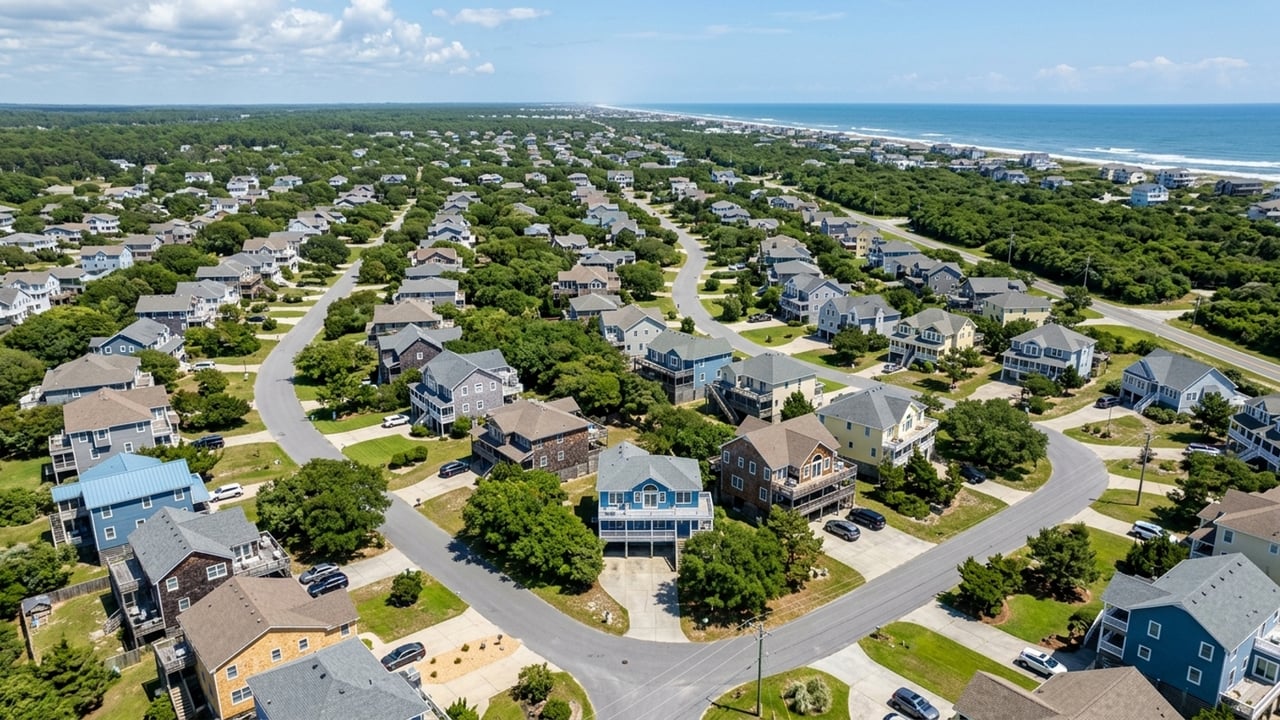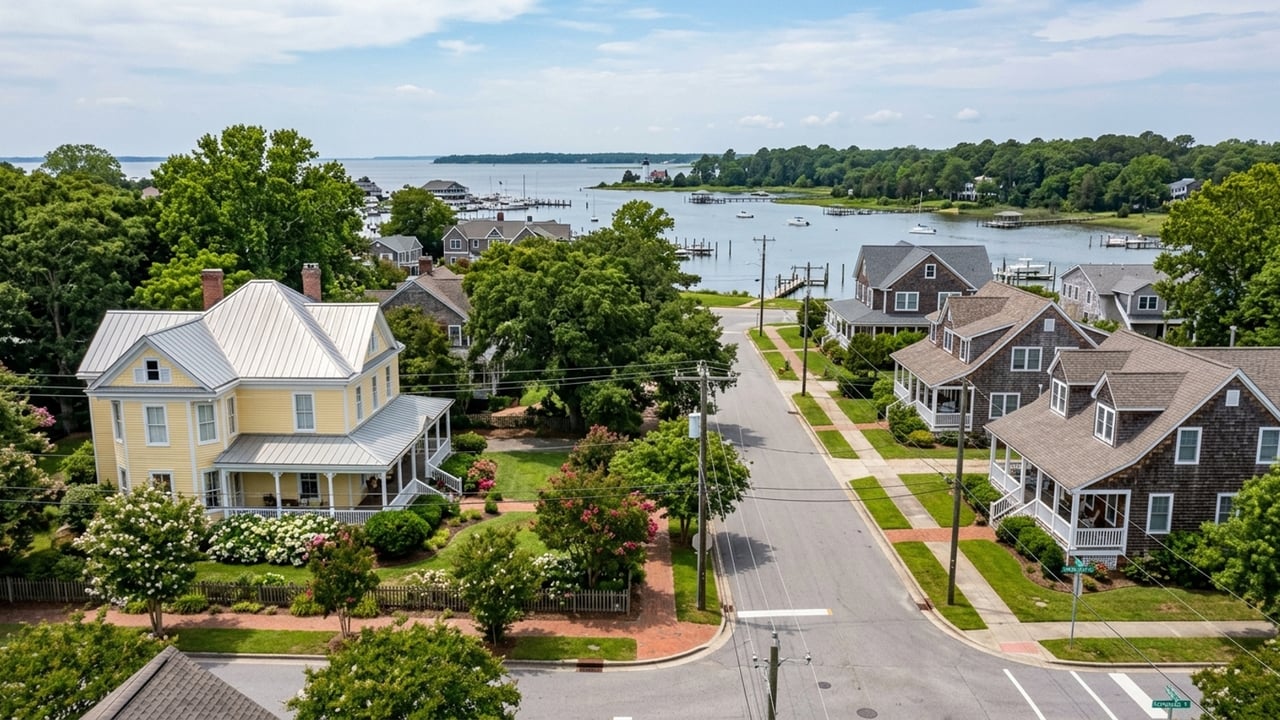
Kitty Hawk sits on the barrier islands of the Outer Banks, offering immediate ocean access and a traditional coastal environment. Living in Kitty Hawk, NC, provides a distinct island lifestyle. Currituck County includes a large mainland section as well as the northernmost beaches of the Outer Banks, creating two distinct housing markets under one county name.
Buyers looking at coastal North Carolina often weigh these two areas against each other. The choice usually comes down to whether you want the density of an island environment or the space of the mainland.
Comparing Home Prices and Market Pace
In Kitty Hawk, NC, the median home sale price sits around $720,000 as of mid-2026. Homes here stay on the market for roughly 114 days - that's a real window to evaluate before you commit. Sellers are getting about 97% of their list price, so while you have time to look, don't expect much give on price once you've made up your mind.
Currituck County is genuinely two different markets wearing the same county name. The mainland portion generally offers different price points and more land per dollar than the barrier islands. Currituck's northern beaches - Corolla and the 4x4 area - carry premium price tags that match or exceed Kitty Hawk's oceanfront inventory.
Available Property Types and Lot Sizes
The physical landscape dictates what kind of home you can buy in each area. Kitty Hawk is fully developed along the barrier island, meaning lot sizes are fixed and often smaller. You'll find elevated pilings homes, classic coastal cottages, and established neighborhoods tucked into the maritime forest on the west side of US-158. There's no hidden inventory waiting to be built - what's there is what you're choosing from.
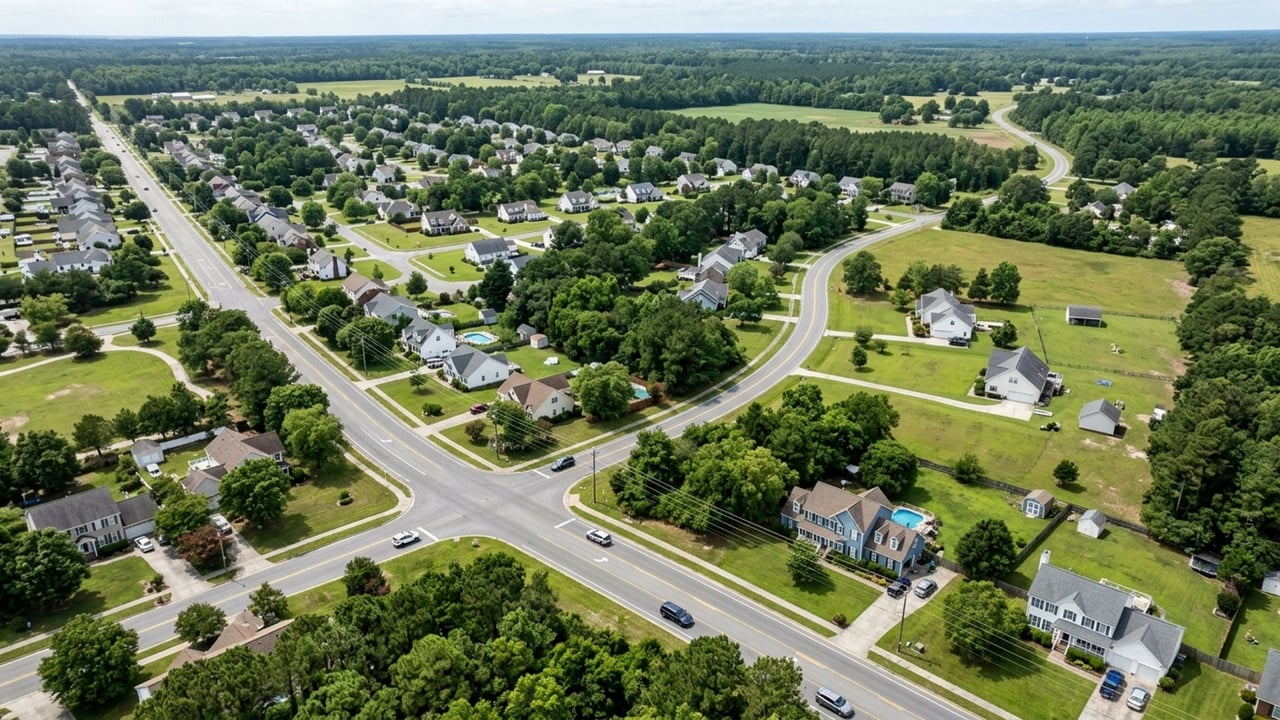
Currituck County offers a wider variety of property types because of its sheer size. The mainland provides room to spread out, which attracts buyers who want space between neighbors or agricultural zoning.
Island Living in Kitty Hawk
Most Kitty Hawk properties focus on proximity to the water. Oceanfront and oceanside homes cater to vacationers and investors, while the soundside offers lower-traffic streets for year-round residents. Expect smaller yards and homes designed to maximize vertical space and views - that's just the geometry of a barrier island.
Mainland and Northern Beach Options in Currituck
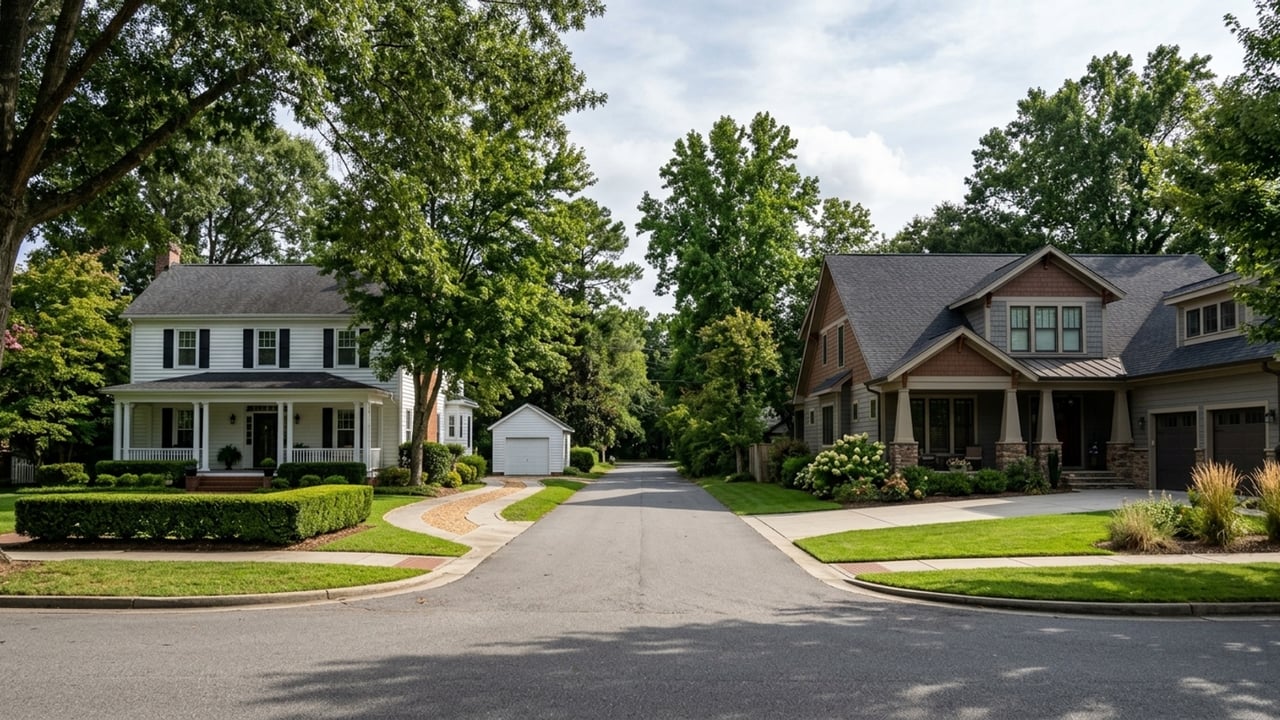
Mainland Currituck is where you find traditional single-family homes with acreage, farm properties, and new construction subdivisions - a standard driveway, a large yard, neighbors at a reasonable distance. Cross into Currituck's Outer Banks territory and the housing shifts entirely: large, multi-story vacation estates designed for high occupancy, built to accommodate a dozen guests and priced accordingly.
Costs of Homeownership and Insurance
Beyond the purchase price, ongoing carrying costs differ between Dare County, where Kitty Hawk is located, and Currituck County. Review the specific county tax assessments for any property you tour, because rates vary based on exact location and municipal services.
Insurance deserves serious attention here. Properties in Kitty Hawk and the coastal sections of Currituck often fall into designated flood zones, which means mortgage lenders will require flood insurance. Budget separately for wind and hail policies on top of that - those add to your monthly carrying cost in ways buyers sometimes don't anticipate until they're already under contract.
Homeowners associations are another line item. Mainland Currituck subdivisions and Corolla resort communities frequently have HOAs covering road maintenance and community pools. Many older Kitty Hawk neighborhoods don't have these associations or fees at all, which cuts both ways depending on what you want.
Regional Access and Commuting
Mainland Currituck sits along NC-168, which runs directly north toward Virginia. If you're commuting to Hampton Roads or Norfolk, that's a meaningful advantage.
Kitty Hawk requires crossing the Wright Memorial Bridge to reach the mainland. The bridge connects directly to US-158, but living on the island adds time to any trip heading north toward Virginia or inland toward Elizabeth City - and that time adds up over a week of commuting.
Here's what most people don't account for until they've already bought: traffic patterns change drastically throughout the year. During the summer months, weekend turnover traffic on US-158 and NC-168 alters travel times for both Kitty Hawk and Currituck residents in ways that a February test drive won't reveal. If you're planning a daily commute, drive it during peak hours before you close.
Frequently Asked Questions
Are property taxes higher for homeowners in Kitty Hawk or Currituck County?
It depends on the exact property location and municipal boundaries. Kitty Hawk is located in Dare County, while Currituck County has its own tax structure. Check the specific county and town tax rates for your target addresses to compare exact costs.
How do flood insurance costs and zone requirements compare between Kitty Hawk, NC and mainland Currituck?
Kitty Hawk sits entirely on a barrier island, meaning a large portion of its homes fall into flood zones that require insurance. Mainland Currituck has higher elevations in some areas, which can remove the federal flood insurance requirement - though waterfront mainland properties face similar zone restrictions as the island.
Is it more profitable to buy a vacation rental in Kitty Hawk or the Currituck Outer Banks?
It depends on your target renter and property size. The Currituck Outer Banks is known for massive, multi-bedroom estates that generate high weekly rents, while Kitty Hawk offers smaller, traditional cottages that appeal to smaller groups and weekenders.
What are the differences in short-term rental restrictions between Kitty Hawk and Currituck?
Both areas generally support short-term rentals along the beaches. Individual HOA rules in Currituck subdivisions or specific municipal ordinances in Kitty Hawk can restrict rental operations, though, so review the local zoning laws and HOA covenants before you purchase - not after.
Which area is better for year-round living regarding schools and local amenities: Kitty Hawk or Currituck?
Both areas support year-round residents, but they offer different daily amenities. Kitty Hawk provides immediate access to island restaurants, beach accesses, and Dare County services. Mainland Currituck offers larger grocery stores, agricultural space, and a rural environment.
How does peak summer traffic impact the daily commute from Currituck to Kitty Hawk?
Summer traffic creates real delays on the main routes connecting the two areas. Drivers using NC-168 and US-158 to cross the Wright Memorial Bridge face bottlenecks on weekends when vacationers arrive and depart.