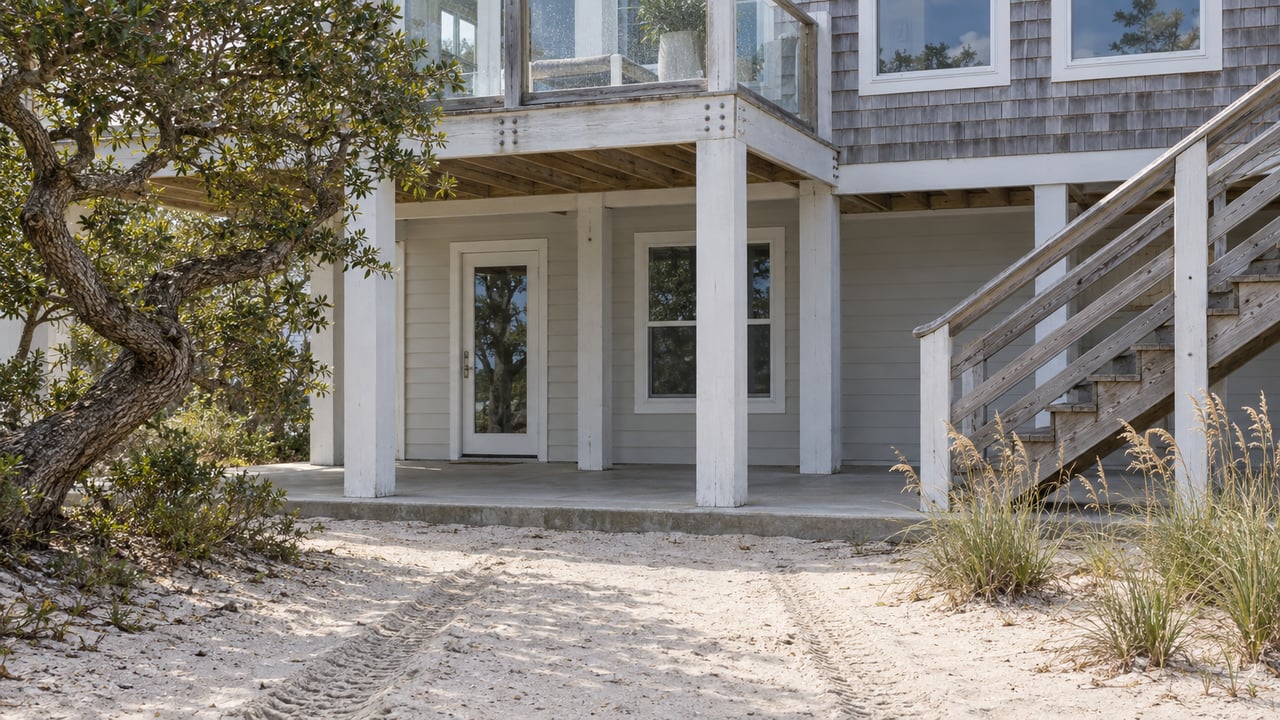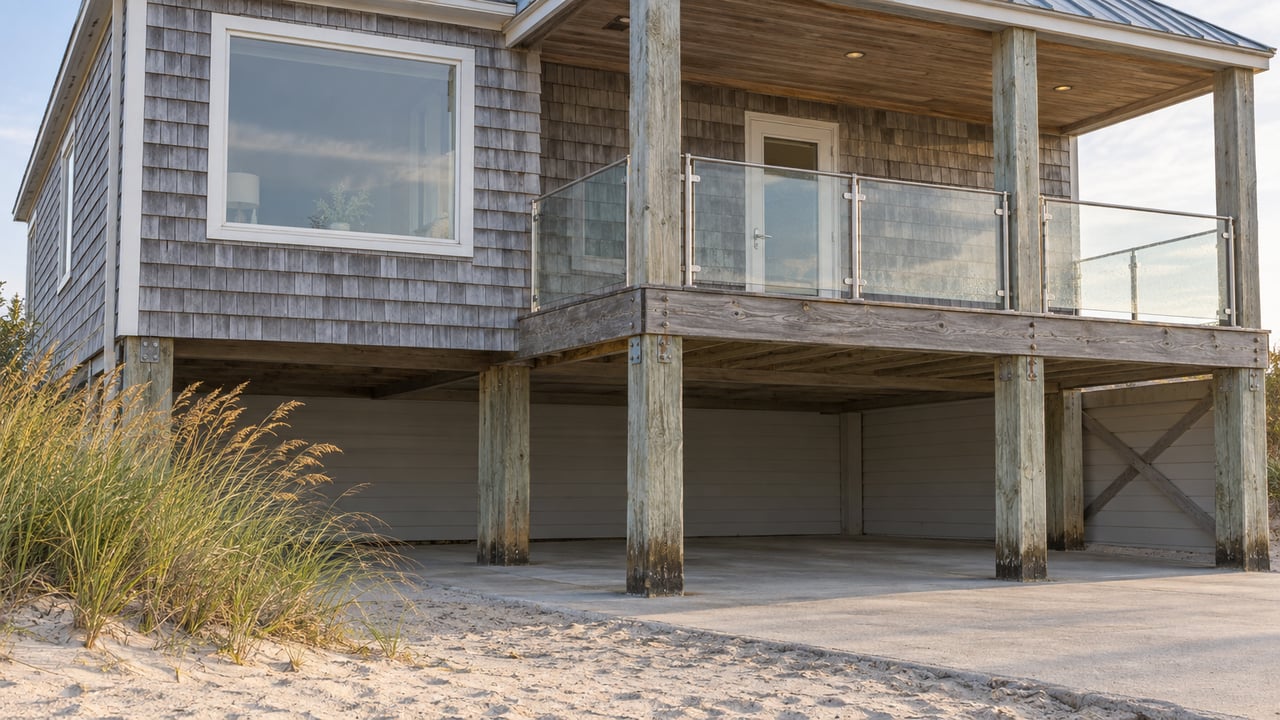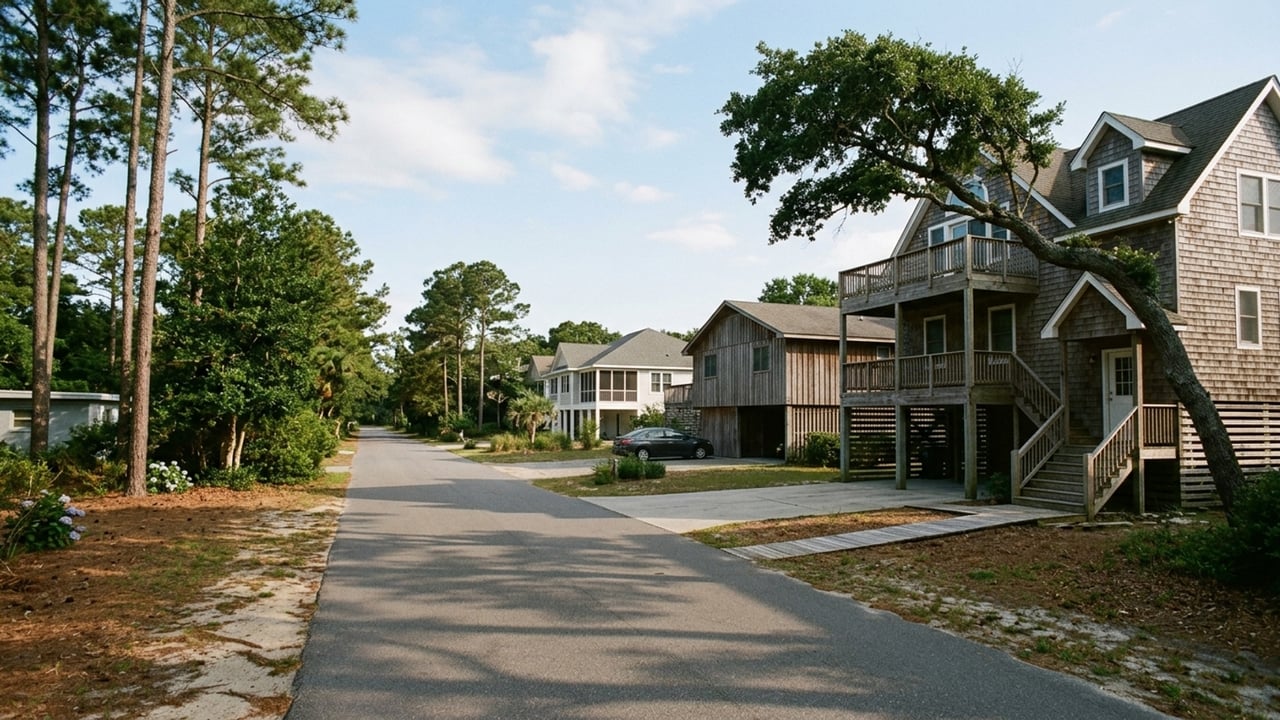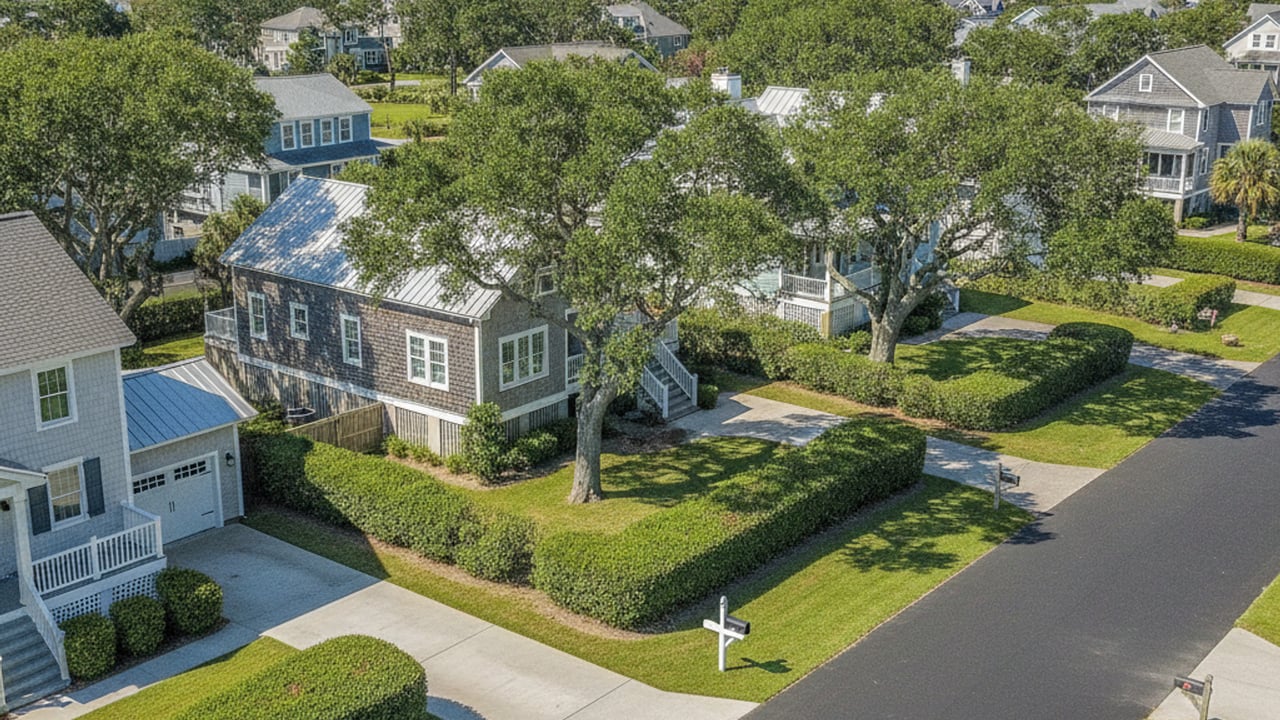
Kitty Hawk, NC sits on Bodie Island, part of the state's Outer Banks - a stretch of coast that has pulled in explorers, aviators, and buyers looking for a piece of something real for hundreds of years. Anyone living in Kitty Hawk, NC knows it's one of those places where the history isn't just a sidebar; it's woven into why people keep coming back.
If you're looking at homes here right now, you're working with a median sale price of around $720,000, roughly 42 active listings, and an average of 114 days on market. That last number matters - it means you actually have time to think. Kitty Hawk's historical timeline helps explain why that market holds the way it does.
A Quick Look at Kitty Hawk's Past and Present
Native American Indians settled the Outer Banks over a thousand years ago. The town that exists today - incorporated, tourism-driven, quietly resilient - is the product of a very long, very gradual build. Kitty Hawk never had the boom that hit the mainland. It grew the way barrier islands tend to: slowly, on its own terms, populated by people willing to deal with isolation in exchange for everything else the coast offers.
The timeline runs from early European exploration in the 1500s all the way to its current status as a working coastal community. It's a long arc.
Important Dates and Milestones
English Captain Arthur Barlowe arrived in 1584 - one of the earliest documented European visits to the area. That contact didn't exactly kick off a land rush. The settlement stayed sparse for centuries, with a handful of residents who built lives around fishing, hunting, and making do with a coastline that could be brutal.
The community was formally established in the early 18th century. It ran as an unincorporated settlement for the better part of its existence, finally incorporating as a town in 1981.
Is Kitty Hawk a City or a Town?
Officially, it's an incorporated town - not a city, not a neighborhood, not a subdivision of something larger. It runs its own municipal government and manages its own services. That distinction matters more than people realize when you're buying here, because it means Kitty Hawk controls its own zoning and identity in ways that a lot of unincorporated coastal communities don't.
Where Kitty Hawk Sits on the Outer Banks
Kitty Hawk falls entirely within Dare County, North Carolina - no county line splits it, which keeps things straightforward on the tax and services side. It's on Bodie Island, the long, narrow barrier island that makes up a central stretch of the Outer Banks.
The town is part of the Kill Devil Hills, NC Metropolitan Statistical Area, which links it economically and statistically to its immediate coastal neighbors.
Dare County and the Surrounding Metro
Your property taxes and municipal services run through Dare County, full stop. And being inside the Kill Devil Hills metro means Kitty Hawk shares infrastructure and tourism traffic with the towns immediately surrounding it. Drive up or down the coastal highway and you'll notice the communities blend into one another - the borders are real, but they don't announce themselves loudly.
The Story Behind the Name Kitty Hawk
The spelling you know - "Kitty Hawk" - was officially adopted by the United States Board on Geographic Names in 1959. Before that, the area had collected a handful of names and spellings over the years, none of them quite sticking.
Early maps and documents show it recorded as Chickahawk, Ketterhock, and other variations. The pronunciation drifted, the spelling followed, and eventually the name settled into its current form.
Algonquin Roots and Meaning
The most widely accepted origin traces back to the region's indigenous population. Researcher Roger Payne concludes the name derives from the Algonquin word "chicahauk," which translates to "a place to hunt geese." Given what the Outer Banks looked like before development - rich coastal wetlands, teeming with wildlife - that makes complete sense.
Early Settlement and Town Incorporation
French and Spanish explorers moved through these waters in the early 1500s, but the barrier islands didn't lend themselves to large-scale colonial farming. Sandy, wind-swept, isolated - Kitty Hawk was never going to be a plantation town. The mass migration of settlers that hit Roanoke Island and the North Carolina mainland largely bypassed this stretch of Bodie Island.
What it got instead was a small, durable population of people who figured out how to live on a coastline that demanded adaptability.
The First Arrivals on Bodie Island
After Captain Arthur Barlowe's 1584 arrival, settlement crept forward slowly. The first permanent structures belonged to families who fished, hunted, and salvaged from the frequent shipwrecks in the adjacent waters. By the early 18th century, the community had a formal name - Chickahawk - and it stayed a quiet fishing village for a long time after that.
Becoming an Incorporated Town
Kitty Hawk went without a formal municipal government for most of its history. The change came in 1981, when it officially incorporated as a town. That incorporation gave local leaders actual tools - zoning authority, public services management, and a framework for handling the growing tourism economy that was already reshaping the Outer Banks by that point.
Historic Sites and Local Museums
The Kitty Hawk Life-Saving Station is the town's most prominent historical structure. It was listed on the National Register of Historic Places in 1984, and it represents something specific about this coastline - these waters were dangerous, ships wrecked regularly, and the crews stationed here pulled sailors out of the surf.
That history isn't decorative. It's a reminder of what living and working on the Outer Banks actually looked like before the tourism infrastructure existed.
Where to See Local History Exhibits
The main aviation history museum for the region is the Wright Brothers National Memorial, located nearby. Its "Century of Flight" museum opened in 2003 to mark the 100-year anniversary of the first flight.
Inside Kitty Hawk itself is the Children at Play Museum, a facility built specifically for kids aged 10 and under.
What Puts Kitty Hawk on the Map
Tourism and recreation are the primary industries here. The beaches draw people in, and the aviation and maritime history give the place a layer of substance that a lot of purely recreational beach towns don't have.
The food scene has developed its own identity too, built around proximity to the ocean and the sounds.
Tourism and Local Seafood
Kitty Hawk and Kill Devil Hills are packed with seafood restaurants, casual spots, and coastal cafes - and the better ones are actually working with fresh, local catches brought in by regional fishermen. That access to Atlantic seafood is a draw for tourists, but it's also just part of daily life if you're living here year-round. It's one of those details that sounds like a selling point until you actually move here and realize it's just Tuesday.
Frequently Asked Questions
What are the oldest neighborhoods in Kitty Hawk, NC to find historic beach properties?
The oldest properties in Kitty Hawk are generally found near the original early 18th-century settlement areas and the Kitty Hawk Life-Saving Station. Buyers looking for historic homes should focus on the established corridors near Bodie Island's central roads.
Are there historic district preservation rules that restrict renovations on older Kitty Hawk homes?
Yes. Properties listed on the National Register of Historic Places - like the 1984-listed Life-Saving Station - face specific preservation guidelines. If you're purchasing an older home, check Dare County and town zoning laws before you start planning any major renovations.
How has historical coastal erosion and storm history affected oceanfront property lines in Kitty Hawk, NC?
Coastal erosion continuously reshapes Bodie Island and the broader Outer Banks, and property lines can shift over time as a result. Before you close on anything oceanfront, review current Dare County surveys and flood maps to understand exactly what you're buying.
Do older, historically significant homes in Kitty Hawk qualify for any North Carolina historic preservation tax credits?
It depends on the property's specific historic designation. Homes that contribute to a recognized historic district or hold individual historical status may qualify for state tax credits, but you'll want to talk to a local tax professional rather than assume.
How does the maintenance of a historic Outer Banks 'beach box' in Kitty Hawk compare to buying newer construction?
Older coastal homes require more frequent maintenance - decades of exposure to salt, wind, and sand take a real toll. The character is genuine and hard to replicate, but buyers should go in with a realistic budget for ongoing exterior upkeep and potential structural updates.
How does the historical age of a Kitty Hawk property impact local wind and flood insurance rates?
Older homes often carry higher insurance premiums if they lack modern storm-mitigation features. Properties built before Kitty Hawk's 1981 incorporation may need roof or window upgrades to get better rates in Dare County - verify these requirements before you fall in love with a place.