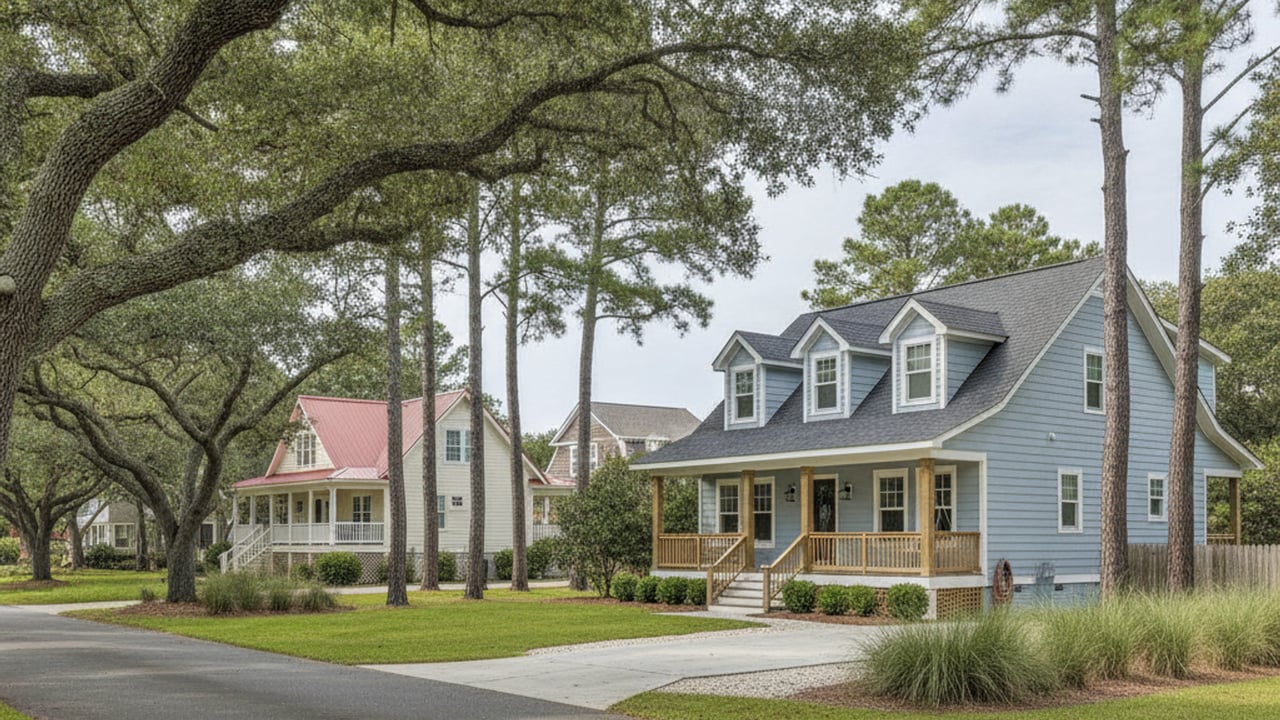
Kitty Hawk is a town in Dare County, North Carolina - most people know it for the Outer Banks tourism, but that's not who this guide is for. If you're thinking about living in Kitty Hawk, NC full-time, you need to look past the summer season and figure out what daily life actually looks like.
That means digging into housing costs, school districts, and what the different neighborhoods offer when the rental crowds are gone. The median home price sits around $720,000, and the market serves both investors and full-time residents - sometimes pulling in opposite directions.
Area Profile for Year-Round Residents
Kitty Hawk operates within the Dare County Schools system, which covers pre-kindergarten through 12th grade. If you're moving here with school-aged children, that district is going to shape a lot of your decisions.
The town's permanent population is 3,689 residents within its official limits. Zoom out to the full 27949 zip code and that number grows to about 8,151. It's a small community by most measures, and it feels like one.
The Daily Environment
The seasons here are real. You'll have access to public parks and recreation facilities that stay open well after the summer crowds clear out, and the local infrastructure is genuinely set up to serve full-time residents. That said, you should factor seasonal changes into your timeline. The rhythm of life in January is nothing like July, and for most year-rounders, that's the whole point.
School District Boundaries
Every home in the 27949 zip code falls under Dare County Schools - no complicated internal zoning boundaries to map out, no risk of landing on the wrong side of an attendance line. The district handles all grade levels from pre-kindergarten through high school.
That said, verify specific enrollment requirements and transportation routes directly with the district office before you close. The unified structure makes things straightforward, but details still matter.
Where is Kitty Hawk, NC Located?
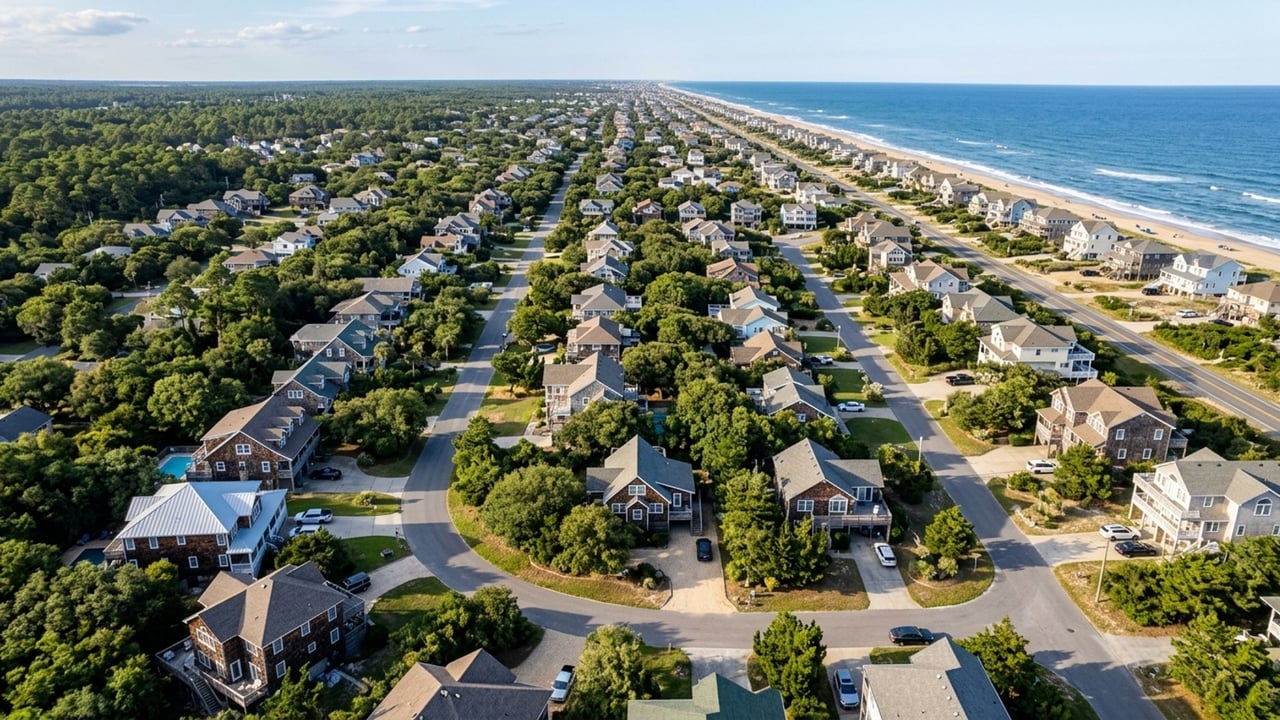
Kitty Hawk sits in Dare County, North Carolina, on the Outer Banks barrier islands - and that geography shapes everything about how you'll get around. It's part of the Kill Devil Hills, NC Metropolitan Statistical Area.
The barrier island setting means you're working with a limited number of routes in and out. Coastal geography is the backdrop, but it's also a practical daily reality.
Zip Code and Area Code Information
The primary zip code is 27949. When you're searching housing inventory, use that code - it'll give you the most accurate picture of what's actually available locally.
The local area code is 252. You'll need that when you're setting up utilities and services after you move in.
Surrounding Cities and Metro Context
Being part of the Kill Devil Hills metro means Kitty Hawk connects naturally with the neighboring Outer Banks communities. You'll move between adjacent towns regularly - for shopping, for dining, for work. It's just how life on this stretch of the coast is structured.
The broader Dare County region relies on a few main roads to link the barrier islands together. If you're commuting, those routes are your daily reality.
Neighborhoods for Full-Time Residents
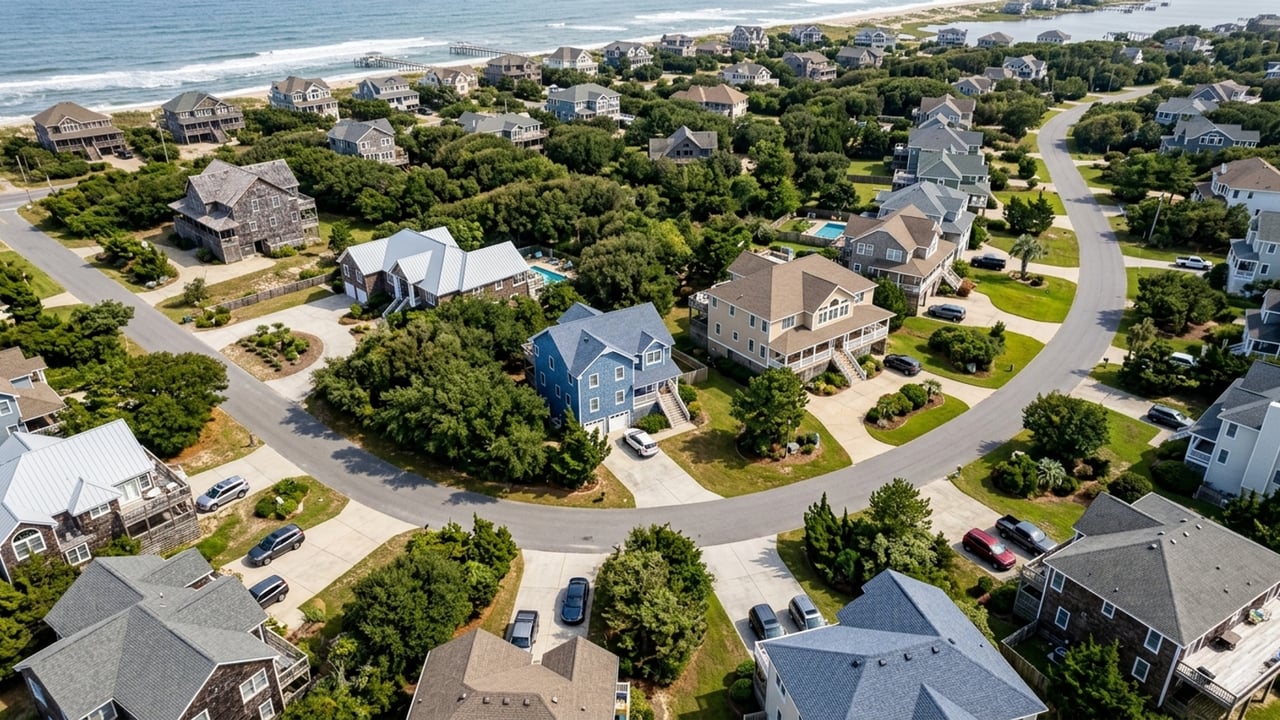
West side neighborhoods in Kitty Hawk, Kill Devil Hills, and Nags Head tend to attract the year-round crowd. The immediate oceanfront skews heavily toward short-term rentals, so buyers focused on permanent relocation usually look away from it.
Specific subdivisions come up again and again in those conversations - First Flight Village, North Ridge, and the areas around Villa Dunes Drive are laid out for full-time occupancy rather than vacation turnover.
Kitty Hawk Estates
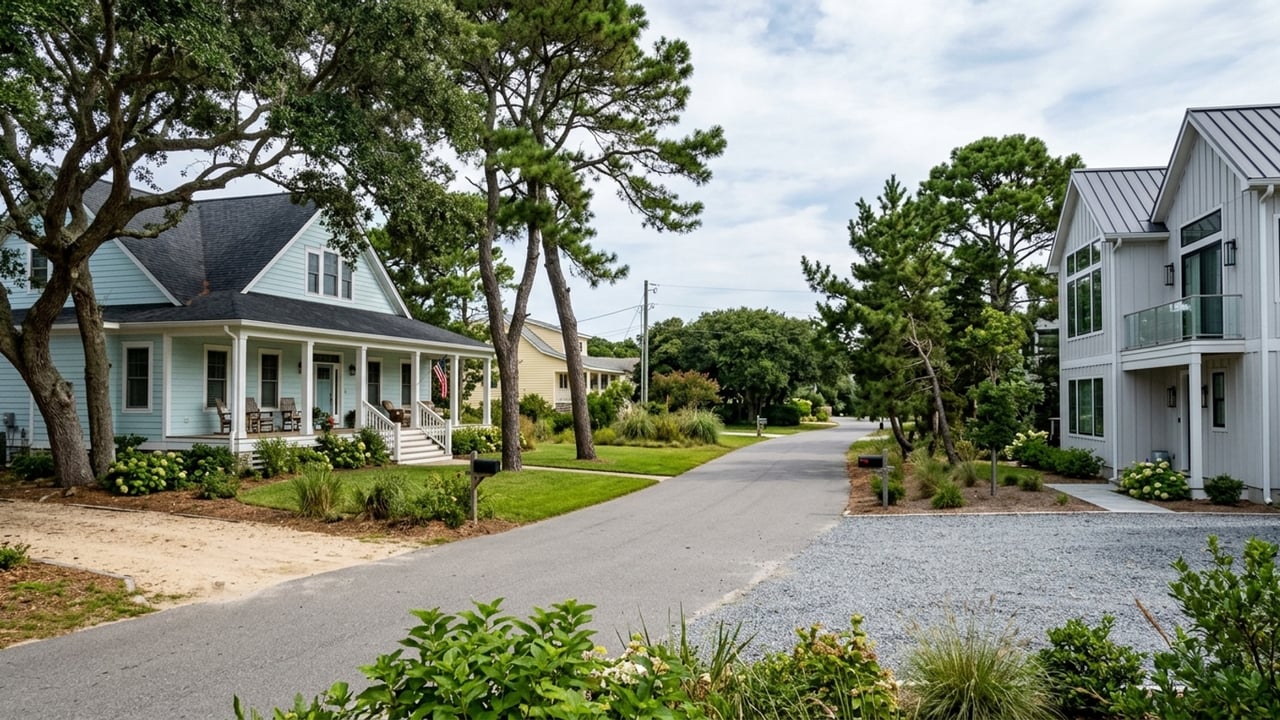
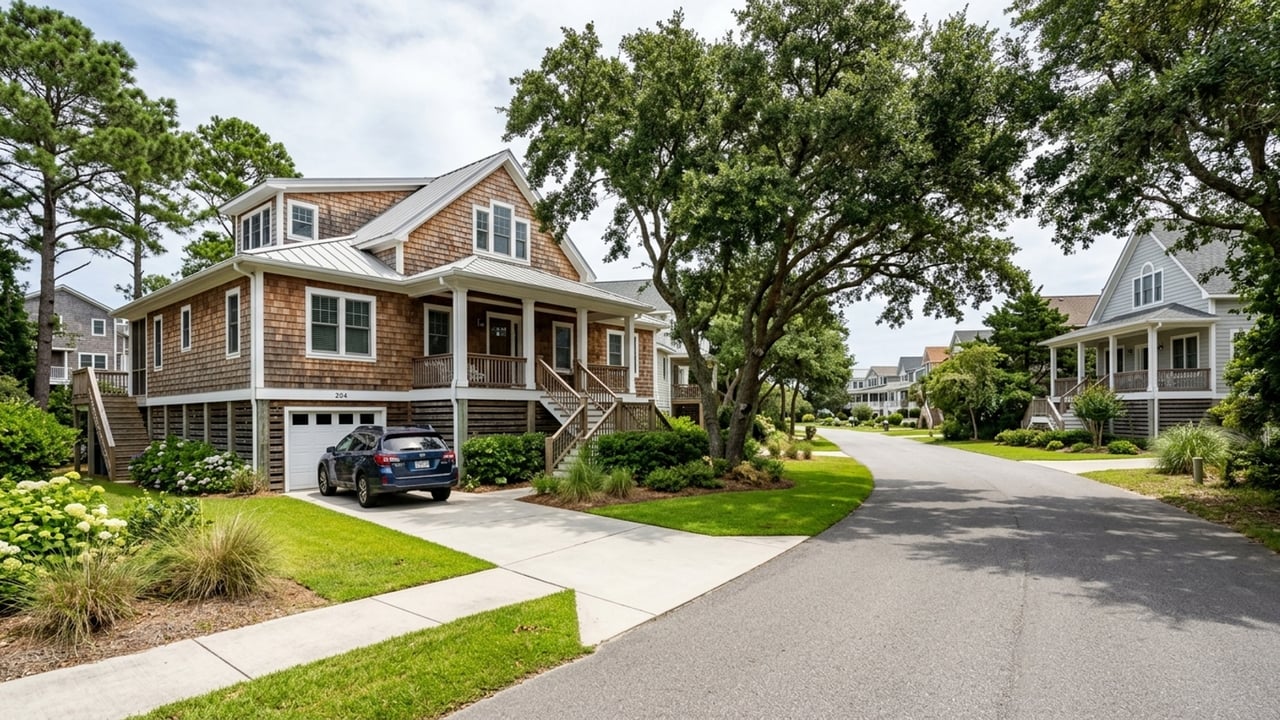
Kitty Hawk Estates is a quieter residential neighborhood, and it tends to appeal to permanent residents who want well-kept homes and standard single-family lots without being in the thick of tourist traffic. If you're just starting to narrow down your search for year-round housing, this is a reasonable place to begin.
Bay Drive Area
The Bay Drive area sits on the west side of the island, which already reduces the tourist exposure. It's oriented toward permanent residents and has community activities to go along with that. Properties here offer a genuinely residential feel away from the oceanfront - and because of that, inventory tends to move. Keep an eye on it.
Analyzing Local Safety and Crime Data
Crime data in Kitty Hawk depends on which source you're looking at, and they don't entirely agree. One dataset puts the overall crime rate at 23.58 - below the national average of 33.37 - with both violent and property crime rates also falling below national benchmarks. Another platform reports 19 crimes per 1,000 residents, which in that specific model sits above the national average, though it doesn't rank among the highest-rate communities.
Both datasets are worth understanding before you draw conclusions.
Interpreting the Statistics
The chance of experiencing a violent crime in Kitty Hawk is roughly 1 in 410, which works out to a rate of 2 incidents per 1,000 inhabitants. That's a useful number, but context matters here.
Seasonal population spikes can skew per-capita crime statistics in vacation towns. When summer visitors flood in, the raw incident count goes up relative to a small permanent population base - which can make the numbers look worse than the year-round picture actually is.
Housing Costs and Market Trends
As of May 2026, the median home sale price in Kitty Hawk sits at roughly $720,000. Homes are spending an average of 114 days on the market before closing, which tells you this isn't a place where you'll need to bid the same day you walk through the door.
There are currently 42 active listings and about 3.2 months of available supply. Homes are selling at roughly 96.9% of list price, so standard negotiation is on the table.
Single-Family Homes and Inventory
Single-family homes make up the bulk of the residential inventory in the 27949 zip code. During the spring of 2026, 13 homes closed in a single month - a useful benchmark for how active the market actually is.
If you're targeting the $720,000 median, you'll be focused primarily on single-family homes on the west side. The 3.2-month supply gives you some breathing room, but the right properties still go.
Employment and Commuting
Most full-time residents commute to neighboring towns within Dare County for work. Build travel time along the main barrier island routes into your daily planning for both your commute and any trip that requires leaving the island.
The local economy leans heavily on municipal services and regional commerce. Summer traffic can stretch what would otherwise be a short drive into something considerably longer, so your off-season commute isn't necessarily your year-round commute.
Frequently Asked Questions
How are the public schools in Kitty Hawk, NC for year-round residents?
The unified Dare County Schools system streamlines the education experience for families moving to the 27949 zip code. Because one district manages everything from pre-kindergarten through high school, parents avoid the hassle of dealing with shifting attendance lines or competing district boundaries.
Which neighborhoods in Kitty Hawk are best for full-time families instead of short-term rentals?
Buyers looking for permanent neighbors generally target subdivisions away from the immediate oceanfront. Areas like North Ridge or Bay Drive offer traditional residential layouts and distance from the heavy short-term rental turnover found closer to the water.
Is buying a family home in Kitty Hawk more affordable than in neighboring Outer Banks towns like Duck?
With a median home price near $720,000, the town often presents a different value proposition than neighboring communities. Buyers should compare lot sizes, neighborhood amenities, and off-season accessibility when weighing costs across the Kill Devil Hills metro area.
What is it like raising a family in Kitty Hawk during the busy summer tourist season?
Summer brings heavy traffic and a massive temporary population spike that changes the daily routine. Locals adapt by shifting their activities to quieter west-side neighborhoods until the season ends, taking full advantage of the town's resources once the vacationers leave.
What family-friendly amenities and local healthcare options are available near Kitty Hawk?
While the area lacks large-scale metropolitan amenities, the local infrastructure fully supports permanent residents. Families utilize municipal parks, year-round recreation facilities, and neighborhood-led events to stay active outside of the busy summer tourist window.