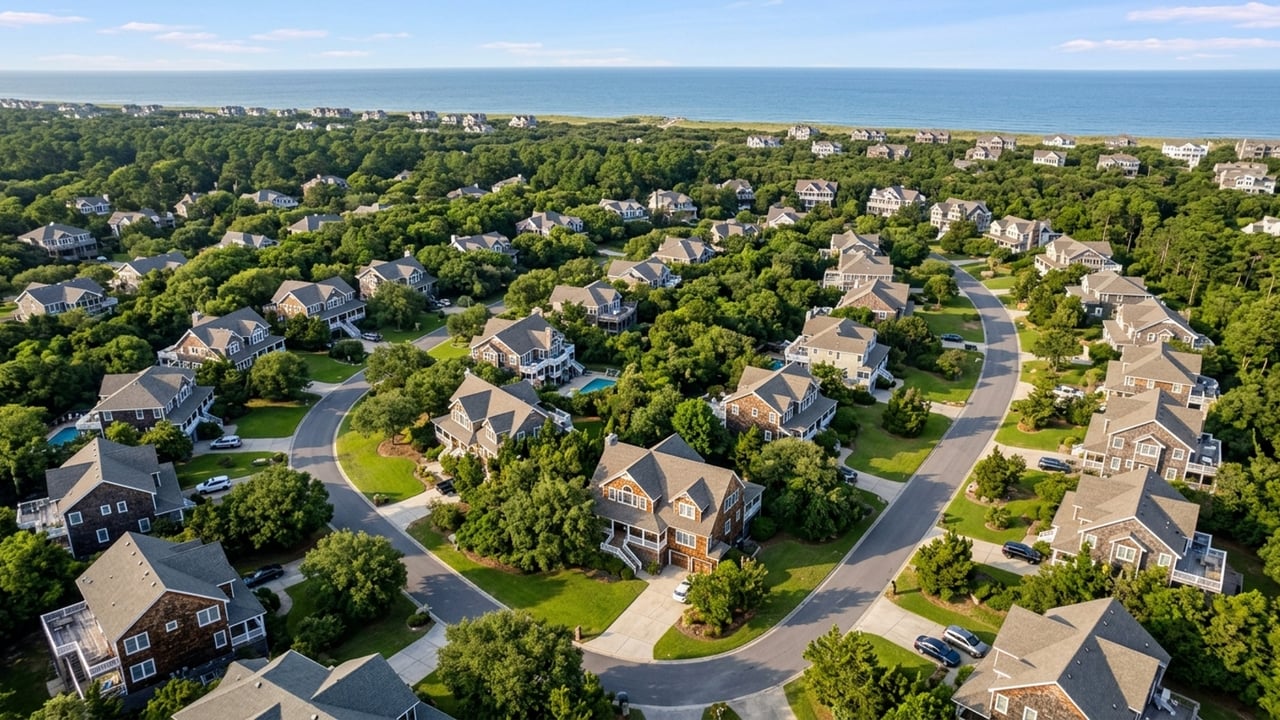
The Outer Banks stretches across Dare County, and where you land on that barrier island matters more than most buyers expect. Kitty Hawk and Duck are the two towns that come up most often in these conversations - both sit on the Atlantic, both give you access to the Currituck Sound, and both will cost you serious money. But they're genuinely different places to own property. For those considering living in Kitty Hawk, NC, understanding how it compares to Duck is essential.
The choice usually comes down to three things: budget, road infrastructure, and how rental regulations will affect what you can do with the home. Kitty Hawk runs along the wider US-158 corridor. Duck is further north on two-lane NC-12. Get into the specifics of each town's zoning, median prices, and beach access rules before you decide which one fits your goals.
Home Prices and Available Inventory
The price gap between these two towns is real and it's been consistent. Mid-2026 data shows Kitty Hawk holding a median sale price of around $720,000, with homes sitting on the market for roughly 114 days. Active inventory runs about 42 listings - enough to give you a real selection without feeling rushed.
Duck costs more. By mid-2026, median list prices there ranged between $899,000 and $947,500. That's not a blip. In 2025, Duck's median sale prices regularly exceeded $900,000 while Kitty Hawk's median sold prices came in closer to $635,000 or $733,000, depending on which reporting source you're looking at.
Historical Sales Data and Market Trends
The 2025 numbers add useful context. Redfin reported a Kitty Hawk median sale price of $733,000 that year; Homes.com put median prices at $799,000. Over in Duck, Rocket Homes tracked a median sold price of $945,000 during the spring of 2025.
For 2026, Kitty Hawk sellers are generally getting close to what they ask. Recent MLS data puts the average sale-to-list ratio at about 97%, and with 3.2 months of supply available, you have some room to work with - though anything priced correctly moves. Don't count on a steep discount just because inventory exists.
Coastal Property Types and Locations
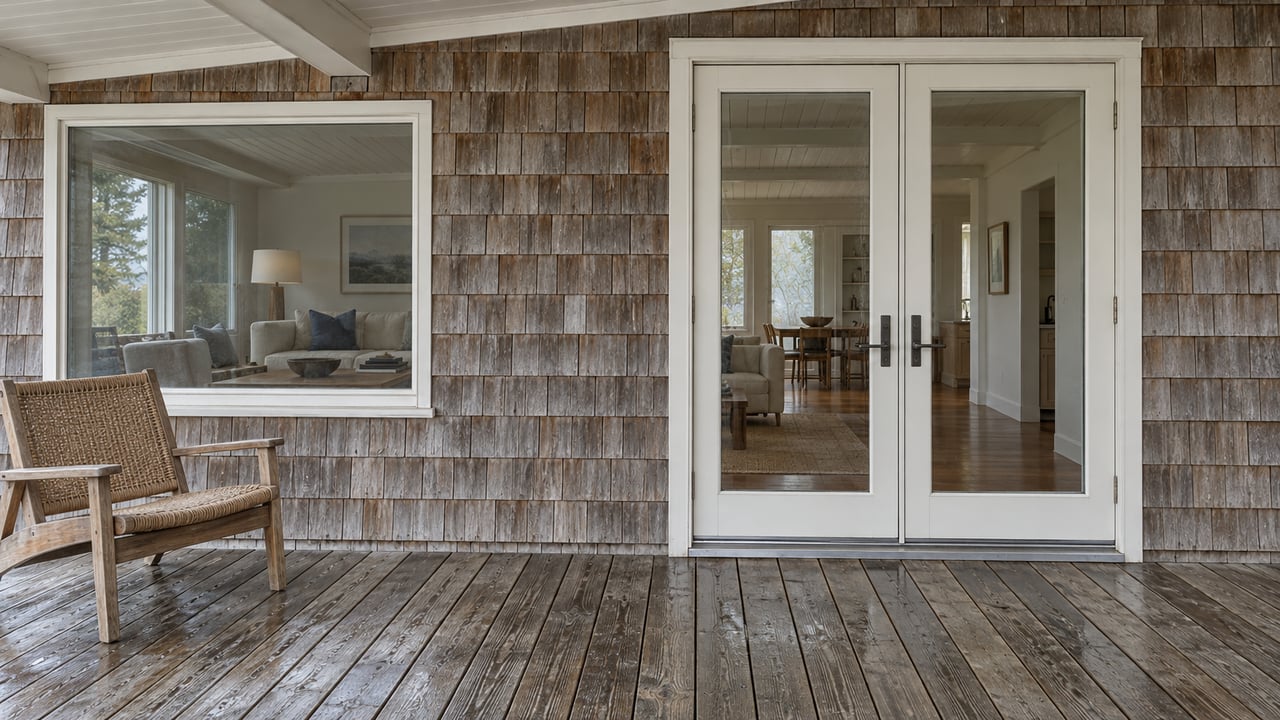
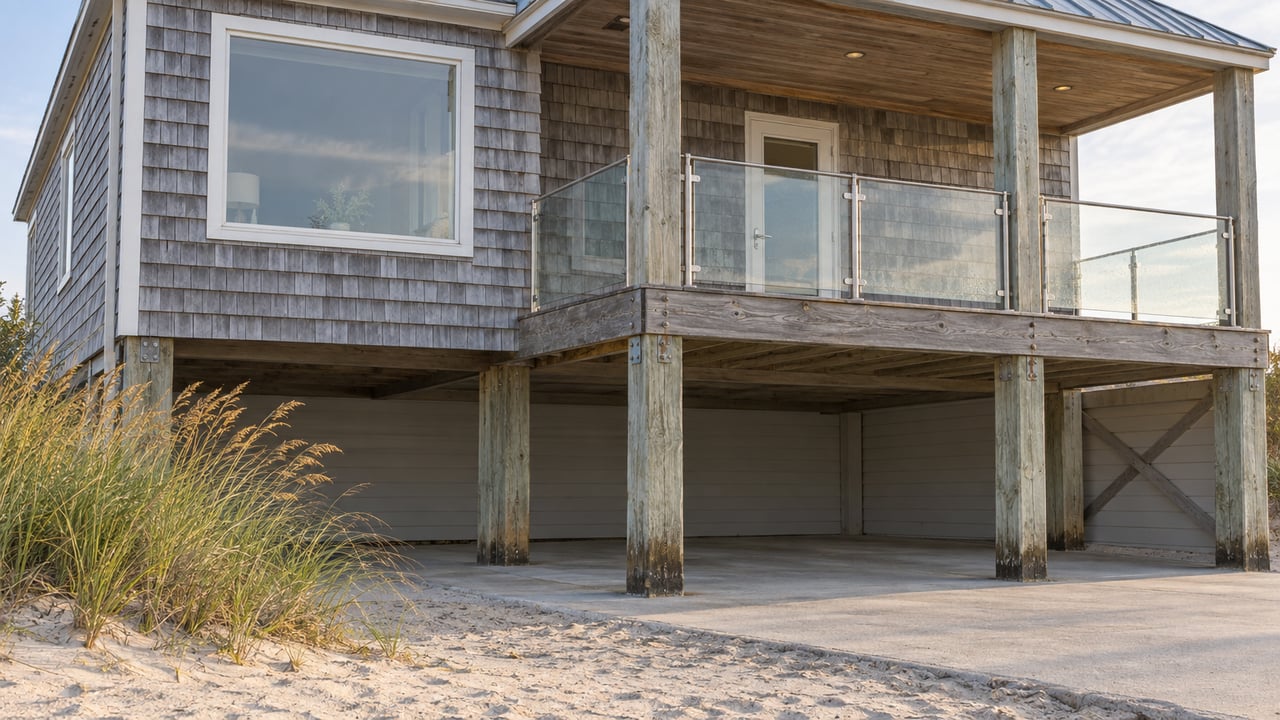
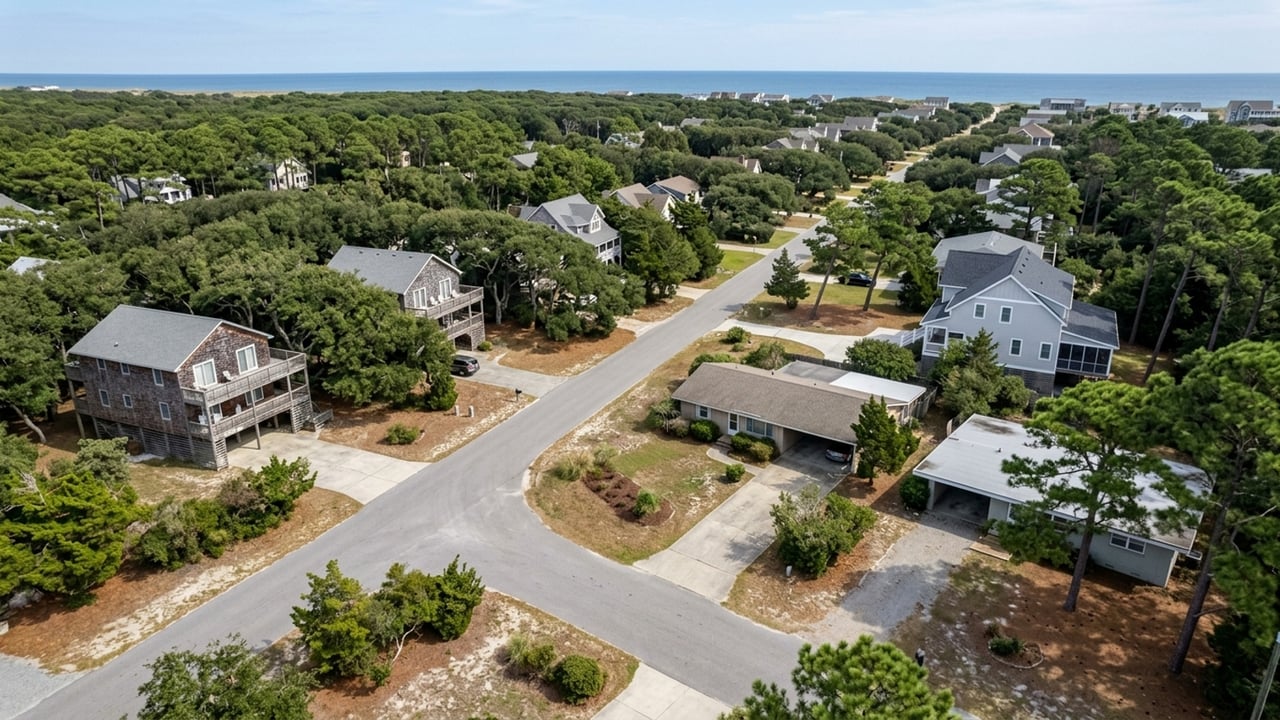
Single-family homes, townhouses, and condominiums are all available in both towns. You can go oceanfront on the eastern side or soundside on the western edge - the tradeoffs between those two positions are worth their own conversation with your agent.
Kitty Hawk's zoning ordinance - Chapter 42 of the Town Code - carves the town into three main areas: Kitty Hawk Woods, Kitty Hawk Village (which carries a low-density VR-1 residential district), and Kitty Hawk Beach, which holds BR-1, BR-2, and BR-3 residential districts alongside commercial zones. Duck is a different structure. A high concentration of properties there sit inside formal Homeowners Association communities, and those HOAs govern a lot of what you can and can't do with your property.
Vacation Rentals and Return on Investment
A large share of buyers in Dare County are running the rental math before they make an offer. The North Carolina Vacation Rental Act is the baseline - it covers short-term rentals, defined as leisure rentals lasting fewer than 90 days, and it requires a written rental agreement for every guest. That's the floor. Local rules layer on top of it.
Towns can require annual zoning permits and set specific parking limits for rental properties. Then, separately, individual HOA covenants can impose their own restrictions on how you use the home. You're potentially dealing with three sets of rules: state law, municipal code, and the HOA. Know all three before you close.
Local Zoning and Rental Rules
Kitty Hawk doesn't have a single detailed short-term rental ordinance in the town code. State rules apply, and the zoning designations for the beach, village, and woods districts govern land use. That relative flexibility doesn't mean anything goes - you'll still want to read through any HOA documents for the specific property to catch tighter restrictions.
Duck requires more legwork for prospective landlords. The town's definition of a transient rental can vary by district, so confirm your specific property's eligibility directly with the Town of Duck planning department. And because so many Duck homes sit inside HOA communities, you're likely to encounter neighborhood covenants that go beyond town rules - minimum stay requirements, parking caps, or in some cases outright bans on short-term rentals. Find out before you buy, not after.
Maximizing Your Rental Income
Oceanfront homes and properties with private pools tend to drive the strongest seasonal numbers anywhere on the Outer Banks. Duck properties often command higher weekly rental rates, which tracks with the higher purchase prices and the private neighborhood amenities those HOA communities provide.
Kitty Hawk's lower upfront cost can work in your favor on return on investment metrics. Run the full picture on both locations - purchase price, expected weekly rental rates, HOA dues, and any annual permits the town requires. The property with the higher gross rent isn't always the better investment once you account for what you paid to get into it.
Daily Life and Area Infrastructure
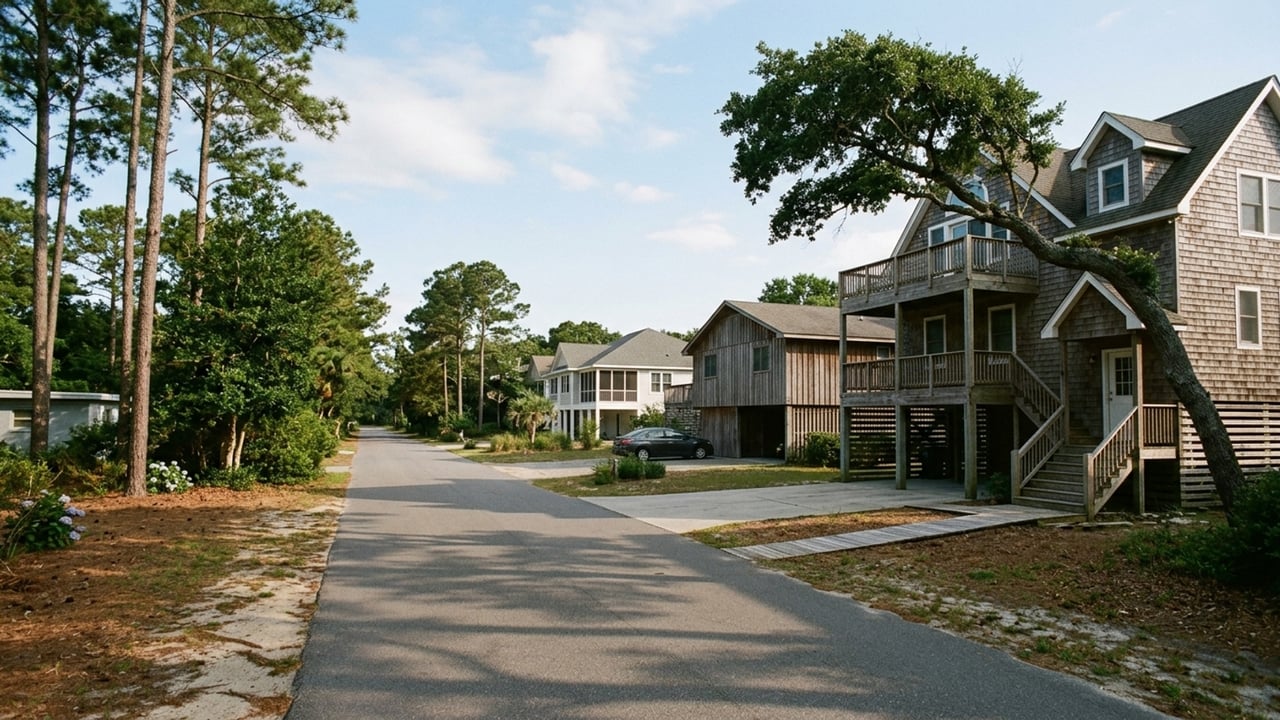
The physical layout of the barrier island shapes daily life in ways that don't always show up in listing photos. Kitty Hawk sits along US-158, the Croatan Highway - a multi-lane road with straightforward access to grocery stores, hardware stores, and commercial services.
Duck is north on NC-12, also called Duck Road. It's a two-lane highway, and it's the only way in and out of the northern beaches. That single fact has downstream effects on everything from how long it takes to grab supplies to what your Saturday looks like during peak season.
Beach Access and Community Features
This is one of the sharpest differences between the two towns, and it surprises some buyers. Kitty Hawk has public beach accesses with dedicated parking lots - anyone staying in or visiting the town can get to the oceanfront. Straightforward.
Duck has no public beach accesses. The town relies entirely on private accesses maintained by individual HOAs. If you want to walk to the water in Duck, you need to own or rent within a neighborhood that provides that private walkway. It's a defining feature of how the town works, and it's not going to change.
Traffic Patterns on the Outer Banks
Summer traffic is a real variable in the Outer Banks ownership calculation. The wider US-158 in Kitty Hawk keeps vehicles moving even on peak turnover days when renters are coming and going.
Getting to Duck means NC-12, which backs up regularly during summer months. That road carries all traffic heading to Duck, Corolla, and the 4x4 beaches beyond. If you own in Duck, build longer drive times into your expectations - especially on weekends.
Deciding Where to Buy on the Outer Banks
Kitty Hawk gives you lower median purchase prices, public beach accesses, and the practical convenience of the US-158 corridor. Duck gives you a more private neighborhood feel, with HOA-maintained beach accesses and higher weekly rental ceilings - but you'll pay a premium for all of it, and the NC-12 constraint is real year-round.
Neither town is the wrong answer. They just suit different buyers with different priorities. Go through the specific zoning rules, HOA covenants, and recent sale prices in whichever town you're leaning toward, and the right call usually becomes clear.
Frequently Asked Questions
How do average home prices compare between Kitty Hawk and Duck, NC?
Duck runs higher. In mid-2026, median list prices in Duck ranged from $899,000 to $947,500. Kitty Hawk's median sale price over that same period was around $720,000.
Which town offers a better return on investment for an Outer Banks vacation rental property?
It depends on your upfront budget and rental strategy. Kitty Hawk requires a lower initial investment, while Duck properties often command higher weekly rental rates but come with higher purchase prices and potentially stricter HOA rental rules.
What are the main differences in beach access rules for homeowners in Kitty Hawk versus Duck?
Kitty Hawk has public beach accesses - anyone can use them. Duck has no public beach accesses. To reach the sand in Duck, you need to own or rent within a community that provides private HOA access.
Is Kitty Hawk or Duck better suited for year-round living rather than just seasonal vacationing?
Both towns have year-round residents. Kitty Hawk's position on the multi-lane US-158 makes daily errands faster and easier. Duck's location on two-lane NC-12 means longer drives for routine needs, which is worth factoring in if you're thinking about full-time life up there.
How does peak summer traffic on Highway 12 impact getting to a house in Duck compared to Kitty Hawk, NC?
NC-12 is the only two-lane road serving the northern beaches, and it backs up in summer. Kitty Hawk runs on US-158, which has more lanes and handles the seasonal volume more efficiently. The difference is noticeable on any busy weekend.
Are expensive HOAs and private community amenities more common when buying in Duck or Kitty Hawk?
Duck has a significantly higher concentration of formal HOA communities. Those neighborhoods provide the private beach accesses and amenities that define the town's real estate market - and they come with the covenants and fees that go along with that.