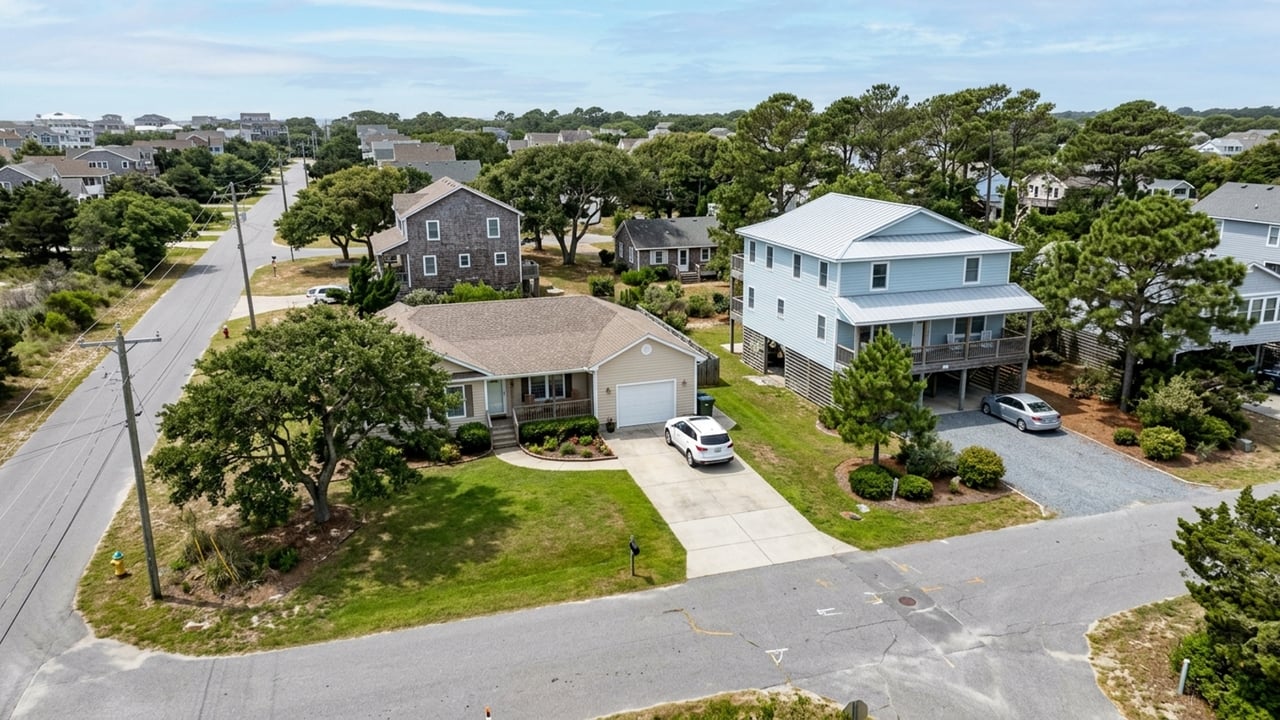
The Outer Banks stretches across multiple counties, and where you buy matters more than most people realize before they start looking. Buyers weighing living in Kitty Hawk vs Corolla, NC are essentially choosing between the accessibility of Dare County and the more secluded stretches of Currituck County to the north. Both are coastal. That's about where the similarities stop.
Kitty Hawk sits right near the Wright Memorial Bridge - you're in town within minutes of crossing from the mainland. Corolla requires another 45 minutes to an hour north up NC Highway 12. That geographic gap touches everything: weekend commute times, the kinds of rental properties that pencil out, and how livable a place feels in February.
Housing Markets and Property Styles
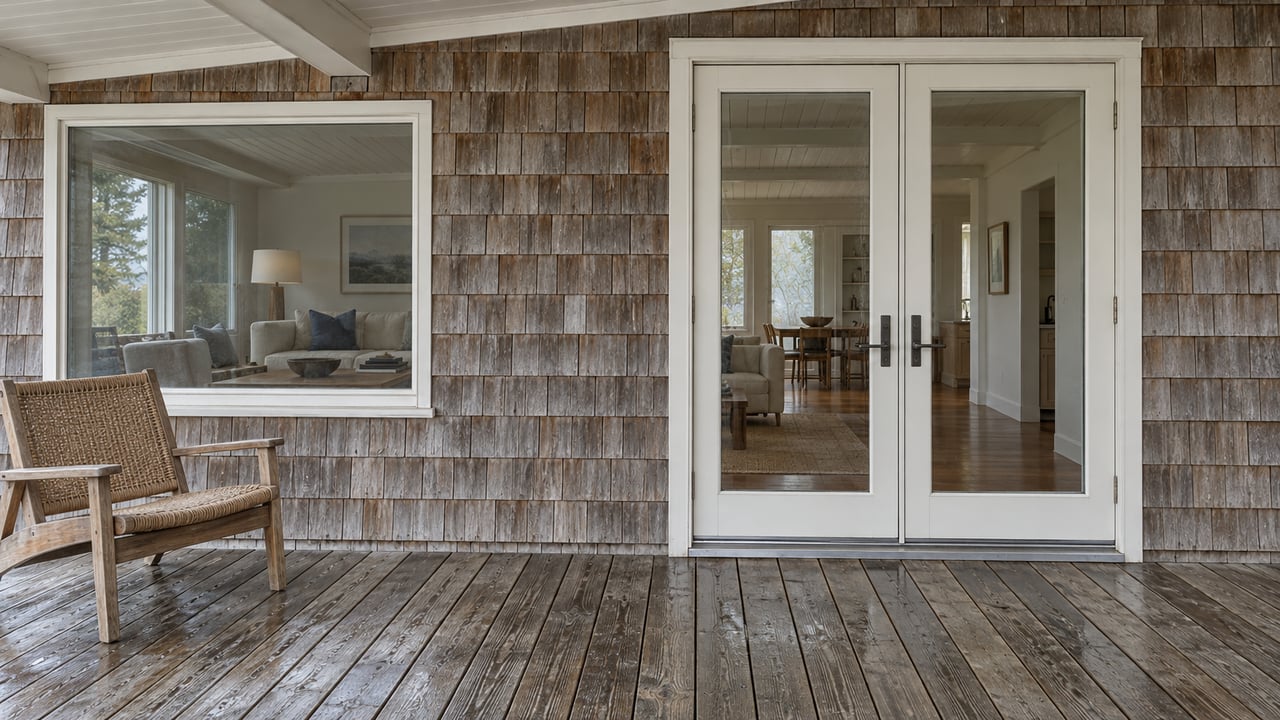
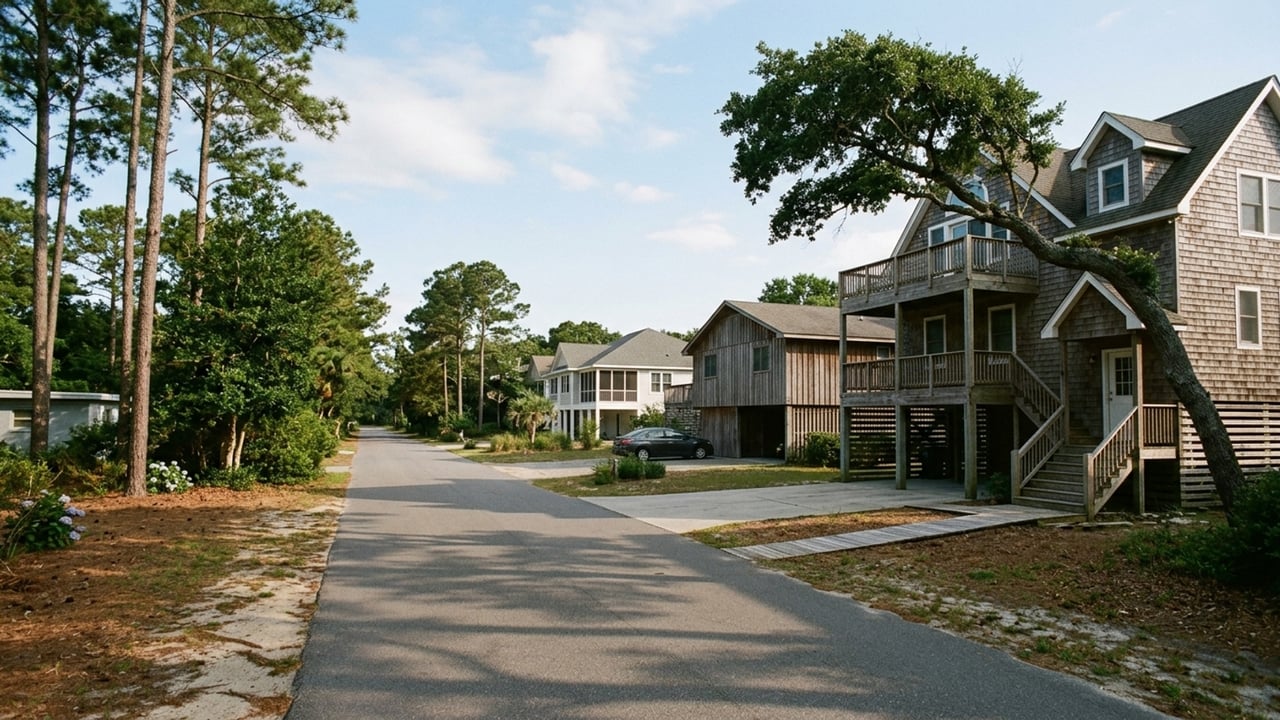
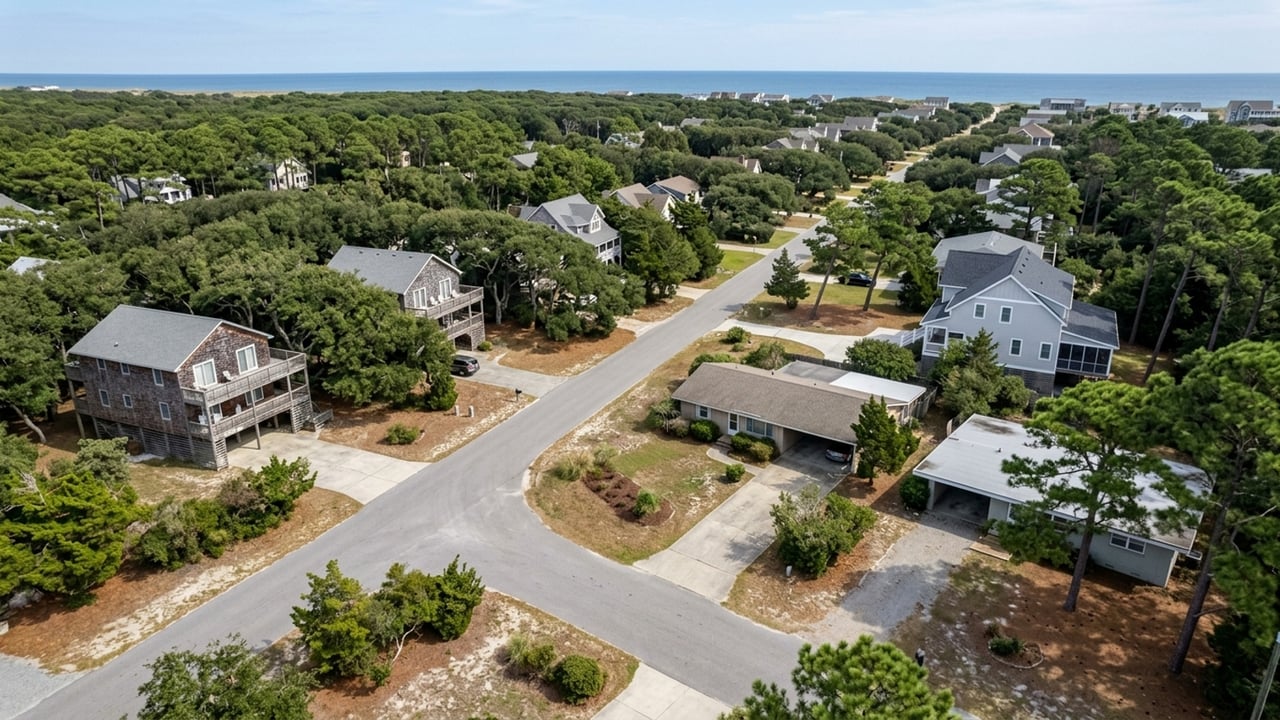
The inventory in these two towns tells the story of how each one developed. Kitty Hawk came up earlier, so you get a genuine mix - older beach boxes from the 1970s and 1980s, newer construction, low-rise condominiums, and varying lot sizes. Some homes are tucked into maritime forests on the west side of the highway; others sit tight along the beachfront.
Corolla developed later and on a different model entirely. Unincorporated Currituck County, large Planned Unit Developments, expansive homeowners associations. The dominant product here is the oversized multi-level vacation home engineered to sleep as many guests as possible, often paired with gated communities offering shared pools and tennis courts.
Home Styles in Kitty Hawk
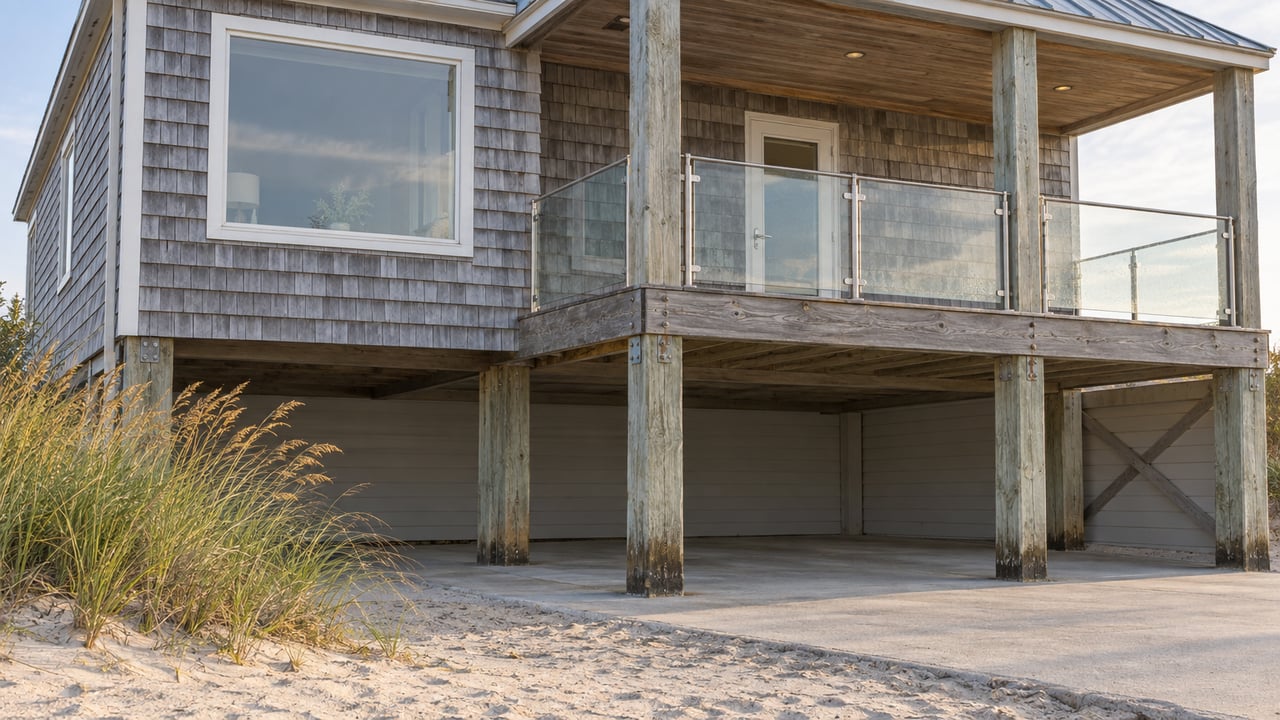
Kitty Hawk covers the full range - single-family homes, townhouses, and condos. On the oceanside of NC-12, you'll find elevated coastal homes on pilings built to handle ocean winds and storm surges. Cross to the sound side and the character shifts: ranch-style homes, traditional two-story layouts, neighborhoods that attract year-round residents rather than summer renters.
Condos are more prevalent in Kitty Hawk than anywhere north of it. For buyers who want an Outer Banks foothold without dealing with exterior maintenance and landscaping, that's a real advantage.
Home Styles in Corolla
Corolla's market skews decisively toward large, luxury single-family homes. Six to twelve bedrooms, private pools, theater rooms, multiple en-suite bathrooms - purpose-built for multiple families vacationing together. There are some smaller homes and townhouses in communities like Corolla Light, but the defining architectural style here is the oversized coastal estate.
Because nearly everything sits inside a planned community, HOA dues and community rules aren't optional reading - they're a core part of what you're buying.
Market Data and Current Home Prices
As of mid-2026, the median sale price in Kitty Hawk is around $720,000. Properties are selling at roughly 96.9% of list price, which gives buyers a modest margin for negotiation depending on the specific house. It's a lower barrier to entry than the northern beaches, and that gap is real.
Corolla operates in a higher bracket. Current estimates put the median home price between $900,000 and $975,000. The larger square footage and high bedroom counts drive those numbers up, and buyers entering this market need a larger down payment alongside higher carrying costs.
Average Home Prices
That $720,000 median in Kitty Hawk covers a wide range - older three-bedroom beach boxes on the low end, newer sound-side homes on the higher end. Oceanfront properties will still command a premium well above the median, but off-highway homes pull the overall average down. You have options at different price points.
In Corolla, a $950,000 budget might get you a four- or five-bedroom home slightly removed from the oceanfront. True oceanfront estates regularly list for several million dollars. When you're comparing these large rental properties to standard single-family homes, price per square foot is a more useful lens than median price alone.
Market Pace and Inventory
Kitty Hawk has stabilized. Homes are sitting on the market an average of 114 days, with about 42 active listings representing roughly 3.2 months of supply. That's a relatively balanced market - buyers have time to get inspections done and think clearly.
Corolla follows a similar seasonal rhythm, though the scale of the investments means homes can take time to move. Large rental properties often change hands at the end of the summer season, letting the new owner step into the following year's rental deposits.
Vacation Rental Rules and Management
Short-term rentals are explicitly permitted town-wide in Kitty Hawk with no municipal caps. You'll need zoning and occupancy permits, business registration, and you'll remit combined state and local taxes of about 12.75%. North Carolina vacation rentals fall under the state Vacation Rental Act, which governs how security deposits and written agreements are handled.
Corolla is unincorporated, so there's no separate municipal ordinance - but Currituck County requires a vacation rental license and business tax registration. The county may conduct inspections before a property is listed. Buyers in Corolla also need to review HOA restrictions carefully, since some private communities layer their own rental rules on top of the county requirements.
Rental Seasons and Demand
Peak demand in both towns runs from Memorial Day through Labor Day. Kitty Hawk tends to hold a slightly longer shoulder season - its central location makes it a practical base for spring and fall weekend trips, and visitors can reach nearby restaurants and national parks without much of a drive.
Corolla's rental season is compressed almost entirely into summer. Families book large homes for full weeks, often a year out. The appeal is exactly what the critics might call a drawback: isolation. Guests come to park the car and stay put.
Property Management and Fees
Local property management companies charge anywhere from 10% to 20% of gross rental income to handle marketing, cleaning, and maintenance. In Corolla, the turnover of massive homes requires specialized cleaning crews, which adds to operational costs.
HOA dues deserve a line in your carrying-cost math. Corolla's planned communities often run higher fees to maintain private roads, community pools, and beach accesses. Kitty Hawk has fewer large HOAs, so many owners there take on direct responsibility for their own property maintenance - which is either a cost savings or an added burden, depending on how hands-on you want to be.
Local Access and Daily Conveniences
Getting to Kitty Hawk is easy. You cross the Wright Memorial Bridge via US-158 and you're there - minutes from actual neighborhoods. On summer turnover days, when thousands of cars hit the Outer Banks simultaneously, that proximity is worth something.
Corolla is a different calculation. NC-12 is a two-lane road, and on a summer weekend it backs up. The trip from the bridge to Corolla can top an hour during peak times. If you're planning frequent short weekend stays, that drive deserves serious consideration before you commit.
Access and Transportation
Neighboring towns like Kill Devil Hills and Nags Head are close, and residents use both US-158 and the beach road (NC-12) to get around.
Corolla is the end of the paved road. Literally - past Corolla, the pavement stops and the 4x4 beaches of Carova begin. That dead-end geography keeps pass-through traffic minimal and the area quieter, but it also means a trip to a major hardware store or a hospital is a genuine time commitment.
Recreation and Commercial Areas
Kitty Hawk has commercial plazas, local restaurants, and public beach accesses with parking. It also provides easy access to the Kitty Hawk Woods Coastal Reserve for hiking and kayaking when you want something other than the oceanfront.
In Corolla, commercial development is concentrated in specific plazas - Timbuck II Shopping Village being the main one - with grocery stores, boutique shops, and dining, but fewer options than you'd find in the central Outer Banks. Recreation here revolves around the wide beaches, the Currituck Beach Lighthouse, and the wild horses.
Frequently Asked Questions
Is Kitty Hawk, NC or Corolla better for year-round living and retirement?
Kitty Hawk is the more practical setup for year-round living. The proximity to medical facilities, grocery stores, and mainland access matters when you're not on vacation. Corolla's isolation and heavy reliance on summer tourism mean many businesses close in winter. Buyers looking for a full-time residence tend to gravitate toward Kitty Hawk's central location for exactly that reason.
Do vacation rental properties in Kitty Hawk generate higher ROI than those in Corolla?
It depends on the property and how you manage it. Corolla's large homes generate higher gross rental revenue, but they cost between $900,000 and $975,000 to purchase and carry higher maintenance and HOA costs. Kitty Hawk homes come in lower - median around $720,000 - but they typically sleep fewer guests and generate lower weekly rates. Neither market is a guaranteed winner; the math has to work for your specific property.
How do property taxes and HOA fees compare between Kitty Hawk and Corolla?
Property taxes are slightly lower in Currituck County (Corolla), with an effective rate of about 0.456%, compared to Dare County (Kitty Hawk) at roughly 0.52% to 0.53%. That advantage gets offset quickly by HOA fees. Most Corolla homes sit inside large planned communities with extensive private amenities, so monthly carrying costs there run higher. Kitty Hawk has fewer large HOAs, which keeps that number down for many properties.
How does summer weekend traffic impact getting to a home in Kitty Hawk versus driving north to Corolla?
Kitty Hawk is fast - it's right past the Wright Memorial Bridge on US-158. Corolla adds another 45 to 60 minutes north on NC-12, a two-lane road that backs up badly on summer turnover days. If traffic is already a frustration for you, that detail matters.
What types of real estate are most available to buy in Kitty Hawk, NC compared to the Corolla market?
Kitty Hawk inventory runs the range: traditional single-family beach boxes, sound-side ranch homes, and low-rise condominiums. Corolla is predominantly large, multi-level luxury vacation homes inside planned unit developments. The two markets aren't really selling the same product.