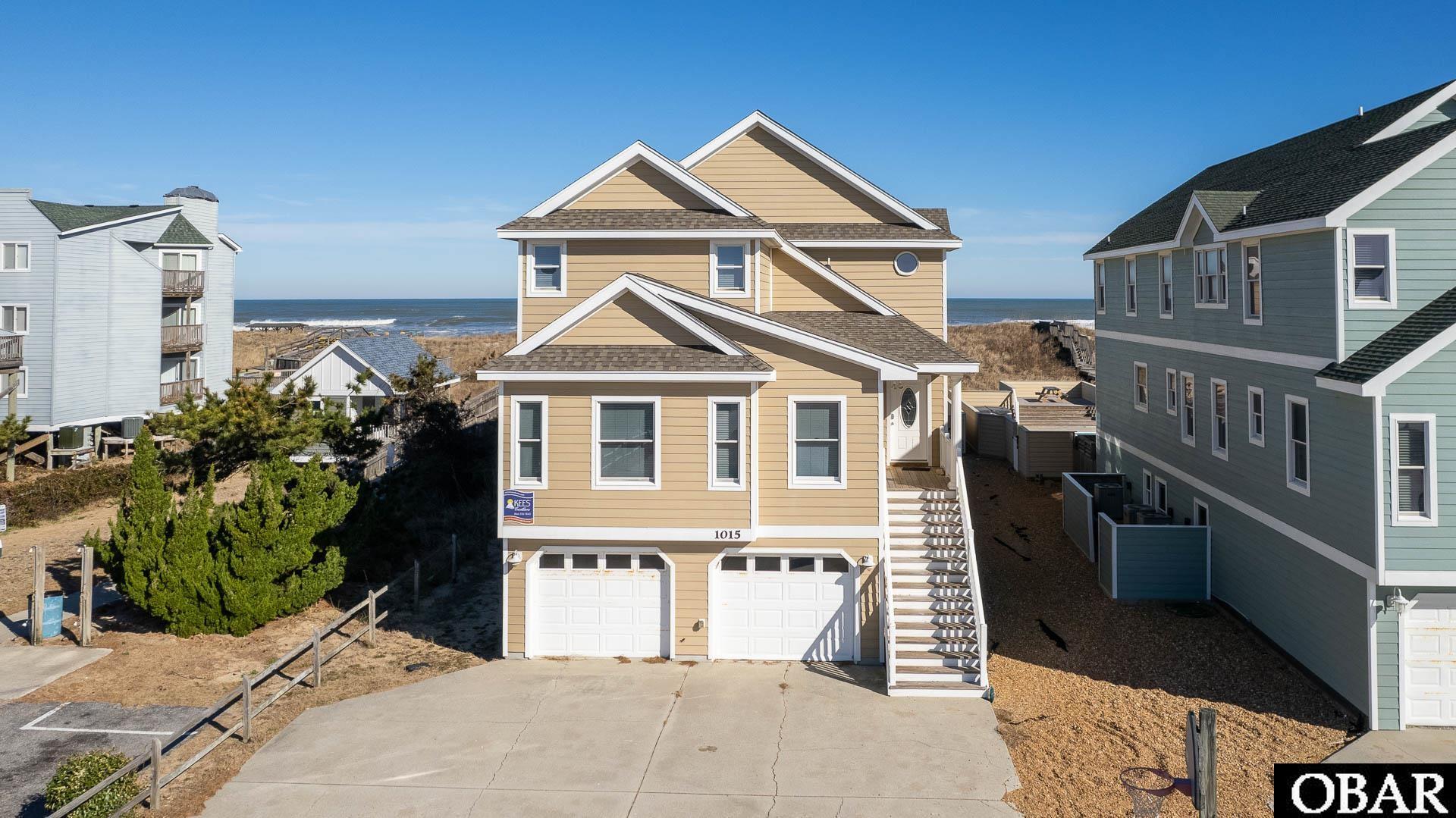
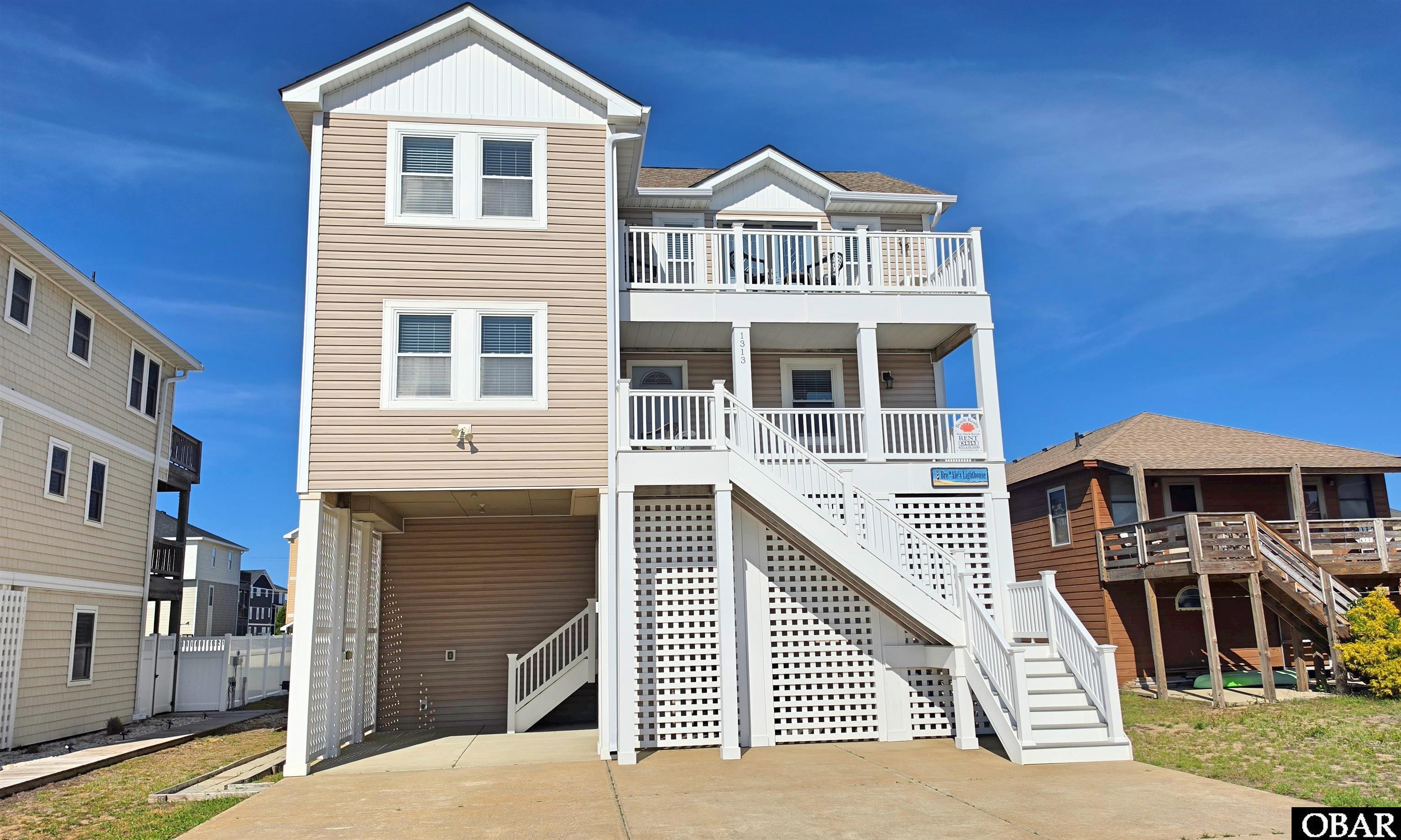
Buying a home in the Kill Devil Hills area, NC: where buyers have the advantage in 2026
The Kill Devil Hills, NC Micropolitan Statistical Area is comprised of Dare County, NC. Buying a home here involves more than picking a property near the water. You need to understand local pricing dynamics and coastal insurance requirements before you make an offer.
Right now, in the fall of 2026, the negotiating power sits with single-family buyers. The median house price is down from a year ago, houses sell at about 96% of list after a median 69 days, and supply sits at 5.9 months. Focus on houses that have sat past the median and negotiate hard on price and North Carolina due-diligence terms, rather than competing for fresh listings.
Key takeaway
If you're buying in the Kill Devil Hills metro this fall, focus your search on single-family houses. Their median sale price is down from a year ago and supply is high enough that most sell below asking, which gives you room to negotiate on both price and due-diligence terms. If you need a lower entry point, condos and townhomes are the alternative, but too few sold recently to read their price trend.
Who this guide is for
You're weighing a home purchase in the Kill Devil Hills area, whether a primary home, second home, or rental, and you need to know how hard to negotiate and which coastal costs to budget for before you make an offer.
Current housing market conditions in the Kill Devil Hills metro
There are currently 569 active single-family listings in the area, which translates to 5.9 months of single-family supply. With almost six months of inventory on the market, sellers who listed for the summer season are competing for fewer buyers.
That means you can ask for price cuts and favorable contract terms when a property sits unsold. The trends apply broadly across Dare County, though individual town rules and oceanfront proximity will shift the final numbers on any specific house.
Comparing single-family houses to attached properties
The median sale price for all homes across the metro is $658,488, but the market behaves differently depending on the property type you target. Single-family houses offer a measurable negotiating advantage; attached homes offer a lower entry price with murkier sales data.
Your decision comes down to whether you prioritize bargaining power on a standalone house or the lower maintenance profile of an attached unit. The data points you in different directions for each.
Single-family homes
If you want the most room to negotiate on price and terms, start with single-family houses listed longer than 69 days. Single-family homes close at 96.2% of list after a median 69 days on market. At that sale-to-list ratio, a house listed at $700,000 sells for about $673,400, roughly $26,600 under asking. Houses past that 69-day mark are where sellers are most likely to move on price.
The downside: a long time on market can mean the house has a problem. Storm wear, an aging septic system, a flood zone that makes insurance expensive. Pull the listing's price history and ask the listing agent why it has sat before you treat days on market as pure negotiating power.
Condos and townhomes
If you want a lower entry price and less exterior maintenance, start with condos and townhomes, and judge them complex by complex. Only about a dozen condos, townhomes, and other attached homes sold across the whole metro in the recent 30-day window. That's too few to say which way their prices are moving. The all-homes median fell just 1.2% year-over-year while the single-family median fell faster, but with so few attached sales, that gap likely reflects which homes happened to sell rather than proof that condos are holding value.
What you give up is certainty. On the coast, the homeowners association's finances carry much of the risk. Ask the HOA for current dues, what the master insurance policy covers for wind and flood, the reserve study, any recent or planned special assessments for storm repair, and whether the project is FHA-approved if you plan to use FHA financing.
Negotiating terms on properties with longer market times
In North Carolina, the due-diligence fee is a negotiated, generally non-refundable amount paid by the buyer directly to the seller that secures the right to terminate the contract for any reason. The length of that due-diligence period is entirely negotiable between buyer and seller, with no standard length set by the state form.
In a slow market, you can propose a smaller due-diligence fee or a longer period to complete your inspections. Sellers past the median days on market are more likely to accept those terms to keep a buyer engaged. Other options include asking for seller-paid closing costs or repair credits after the inspection. A small minority of well-priced fresh listings still draw competition, but on older inventory, the terms depend entirely on the property and the seller's motivation.
Coastal homeownership costs to budget before making an offer
Dare County participates in the National Flood Insurance Program and the Community Rating System, with effective FEMA flood maps dating to June 2020. You can check your property's flood hazard and risk information via the FEMA Flood Map Service Center or the NC Flood Risk Information System.
Dare County is also part of the coastal area under North Carolina law, which means the North Carolina Insurance Underwriting Association operates the market of last resort for essential wind and hail property insurance here. Get an insurance quote for wind and flood coverage early. It can change your monthly payment more than knocking a few thousand dollars off the purchase price.
Property taxes add another layer. For Tax Year 2026, the combined property tax rate in Kill Devil Hills is 54.32 cents per $100 of assessed value, split between a Town rate of 28.00 cents and a Dare County rate of 26.32 cents. Ask Dare County for the current tax bill on the specific property you're considering.
You'll also need to budget for the North Carolina excise tax on deeds, levied at a rate of $1 on each $500 of the property's value, though this is usually paid by the transferor to the county register of deeds. If you plan to rent the property, owners collect a local occupancy tax on top of standard sales tax. And ask for septic permit records and order a septic inspection during due diligence. Replacement costs are not something you want to discover after closing.
Questions to help narrow your property search
Clear goals before you start touring save time and keep you from falling for the wrong house.
- Is room to negotiate your top priority? Start with single-family homes, then read the negotiation strategies outlined above.
- Do you need a lower entry price or less exterior upkeep? Go to condos and townhomes and plan the HOA checks listed there. Confirm school assignment directly with Dare County Schools if you're moving with students.
- Will the home earn rental income? Read the rental FAQ and the occupancy-tax note before comparing prices. Ask whether existing bookings transfer with the sale and request the property's rental income records.
- Can your monthly budget absorb flood and wind insurance on top of the mortgage? Look up the parcel's flood zone, ask the seller for an elevation certificate, and get quotes before your due-diligence period starts, not after.
Hiring a real estate agent in the Kill Devil Hills area
A local real estate agent can explain recent sales they've handled by property type and how they read days on market and price history. They should also understand local flood zones and coastal insurance requirements.
Buyers in North Carolina now sign a written agreement before touring homes, and agent compensation is negotiable. Cameron Griggs Real Estate can help you review available properties and structure an offer based on local market conditions.
Related guides: Best real estate agent in Kill Devil Hills metro area, Pros and cons of living in Kill Devil Hills metro area.
At a glance
Non-single-family property types had too few sales in this window to report separately.
- Median sale price, all homes: $658,488 (30 days ending Sept. 30, 2026)
- Median sale price, single-family: $675,881 (30 days ending Sept. 30, 2026)
- Year-over-year change in median sale price, all homes: -1.2% (30 days ending Sept. 30, 2026)
- Year-over-year change in median sale price, single-family: -6.8% (30 days ending Sept. 30, 2026)
- Homes sold, all homes: 108; single-family: 96 (30 days ending Sept. 30, 2026)
- Median days on market, all homes: 71; single-family: 69 (30 days ending Sept. 30, 2026)
- Sale-to-list price, all homes: 96.3%; single-family: 96.2% (30 days ending Sept. 30, 2026)
- Share sold above list, all homes: 5.7%; single-family: 6.4% (30 days ending Sept. 30, 2026)
- Months of supply, all homes: 6.4; single-family: 5.9 (30 days ending Sept. 30, 2026)
- Active inventory, all homes: 693; single-family: 569 (30 days ending Sept. 30, 2026)
- Median price per square foot, all homes: $359; single-family: $360 (30 days ending Sept. 30, 2026)
- Source: Redfin data, Kill Devil Hills metro area
Buying a home in Kill Devil Hills FAQs
What is the average home price in Kill Devil Hills?
The median price per square foot is $359 for all homes and $360 for single-family houses. An 1,800-square-foot house at that single-family rate works out to roughly $648,000. These are metro-wide figures, and an oceanfront versus non-oceanfront location will shift the price sharply, so check the at-a-glance list above for medians and compare recent sales on the same street.
How much income do you need to buy a home in Kill Devil Hills?
A 20% down payment on the single-family median is about $135,176. You'll need enough income to cover the mortgage using current 30-year fixed rates, plus high coastal wind and flood insurance premiums and property taxes. Get a lender pre-approval for the real number based on your finances.
Is Kill Devil Hills expensive to live in?
According to the MIT Living Wage Calculator for Dare County, the living wage for a single adult with no children is $23.16 per hour, assuming full-time work of 2,080 hours a year. A home near that single-family median requires a substantial monthly housing budget, especially when you factor in coastal insurance. Wind and flood premiums alone can exceed what buyers accustomed to inland markets expect.
What counties and towns are in the Kill Devil Hills metro area?
The metro area covers Dare County. An earlier 2013 delineation also included Tyrrell County, but the area's principal city is Kill Devil Hills and its current core county is Dare. The data above covers the whole county, not just the Town of Kill Devil Hills.
What is the weather like in Kill Devil Hills year-round?
The Atlantic hurricane season runs from June 1 through November 30, which is when the vast majority of tropical cyclone activity occurs. Specific official NOAA 1991-2020 monthly temperature normals for the area are not published directly on the main agency page. Note that binding insurance can be restricted when a named storm threatens, so line up coverage early in the season.
Do you need flood insurance to buy a home in Kill Devil Hills?
Lenders require flood insurance for federally backed loans on homes in a Special Flood Hazard Area. A National Flood Insurance Program policy generally takes effect 30 days after purchase and insures a single-family home up to $250,000 and contents up to $100,000. Buyers outside high-risk zones can still buy coverage, so confirm the parcel's zone on the FEMA map and request an elevation certificate.
Can you rent out a house you buy in Kill Devil Hills?
Yes, but Dare County levies an Occupancy Tax rate of 6% on gross receipts from short-term rentals, with an exemption for stays under 15 days total per calendar year or 90 continuous days to the same person. This occupancy tax is in addition to the combined 6.75% state and county sales tax for 2026. Confirm HOA or covenant restrictions on rentals and whether existing bookings transfer at closing.
Sources