The Complete Guide to Buying a Home in Kitty Hawk, NC
Kitty Hawk sits on the northern end of North Carolina's Outer Banks in Dare County. It's a coastal town with a real estate market that doesn't behave like a typical suburban one - barrier island geography, seasonal demand, and specific building requirements all shape what you'll deal with here, whether you're buying a primary home, a second property, or an investment.
Before you start scrolling listings, it's worth getting oriented on prices, inventory, and how the process works on this stretch of the Banks.
The Kitty Hawk Housing Market at a Glance
The median sale price in Kitty Hawk is currently around $694,540. Homes are sitting on the market for roughly 73 days before going under contract, and there's about 4.6 months of supply - with around 42 active listings available recently. Sellers are getting about 95% of their list price on average, so there's some room to negotiate, but not a lot.
Is Now a Good Time to Buy?
Seventy-three days on market is meaningfully longer than what buyers were dealing with in recent years. You have time to think. A 4.6-month supply puts this somewhere in balanced territory - neither side has a strong upper hand right now.
That said, don't mistake "balanced" for "slow." Once your offer is accepted, the closing process typically runs 30 to 45 days, so start your lender conversation early. And monitor new listings weekly - the well-maintained properties in good condition don't linger.
Who Should Consider Buying Here
The market draws a real mix: year-round residents, second-home buyers, and vacation rental investors all show up in the same pool of listings. If you're looking for a genuine coastal lifestyle rather than a summer-only escape, there are established neighborhoods away from the tourist corridors that support that.
Investors need to run the numbers honestly - rental income potential has to be weighed against carrying costs like insurance and property management, which aren't trivial here. Primary buyers tend to gravitate toward the areas with straightforward access to grocery stores and daily services.
Types of Homes for Sale in Kitty Hawk and Price Ranges
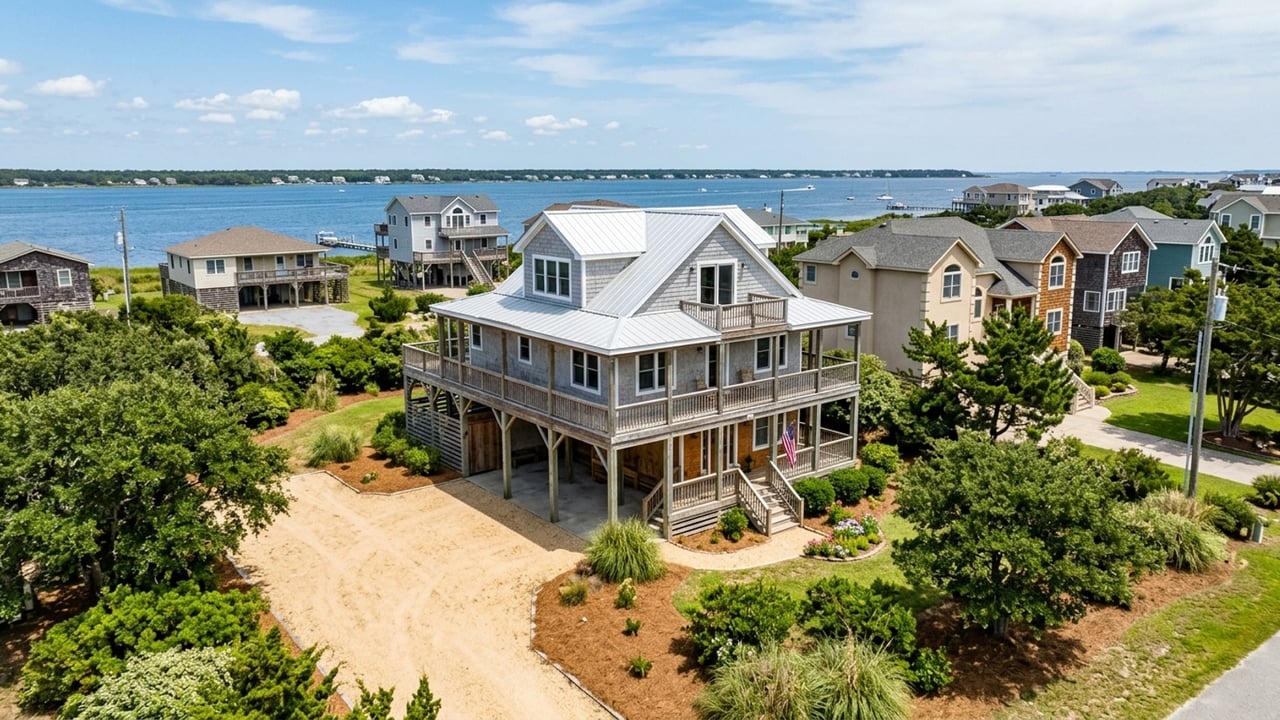
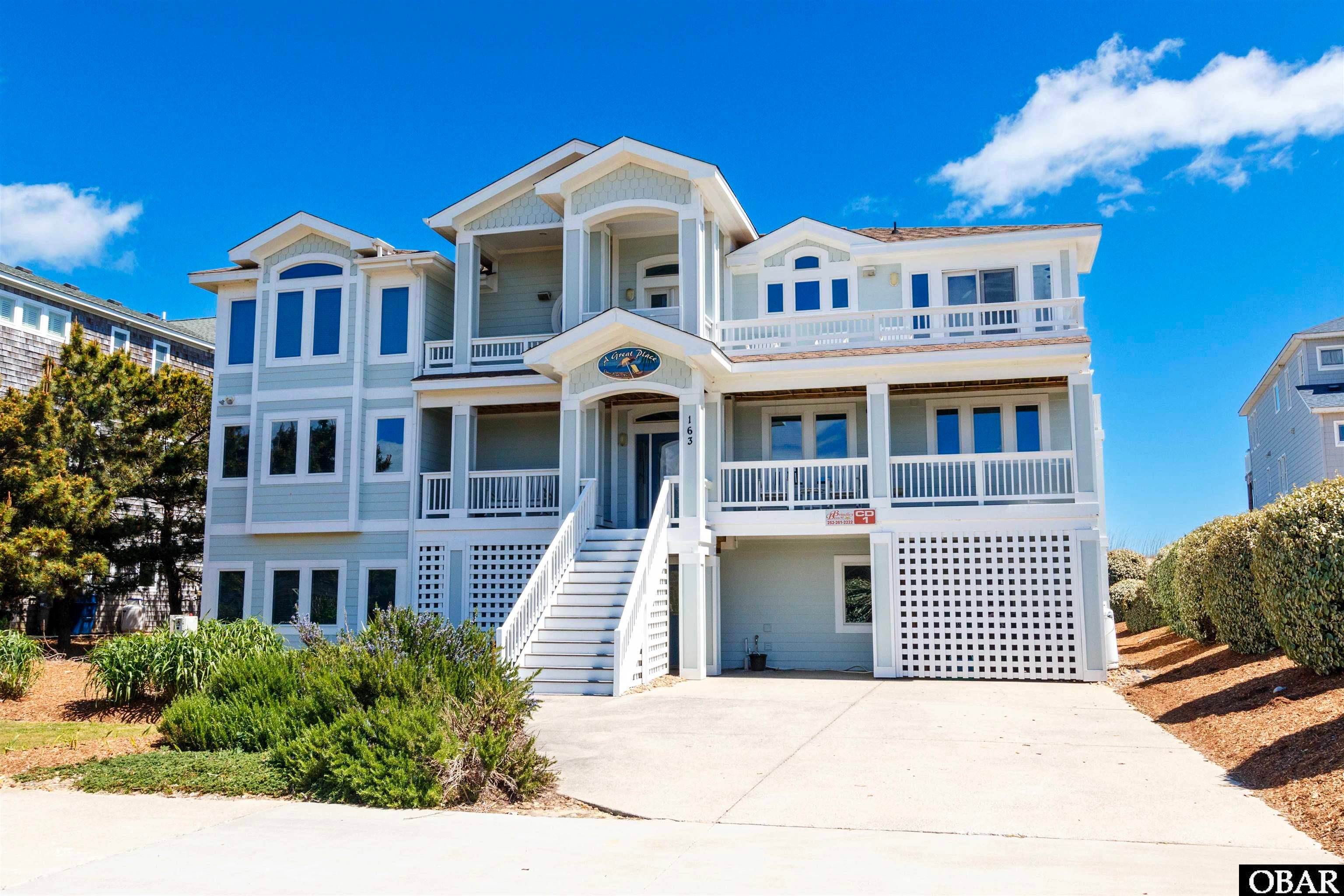
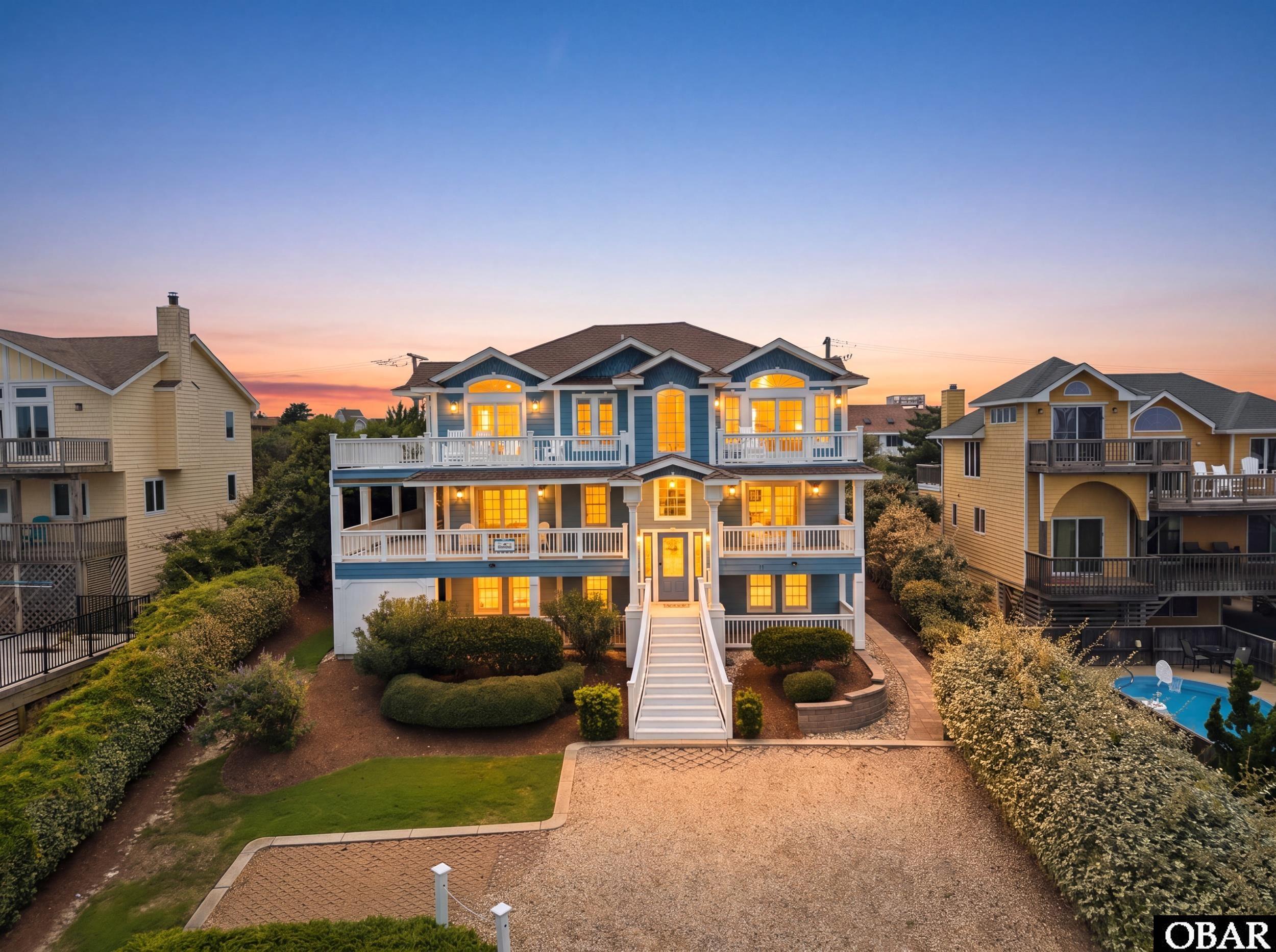
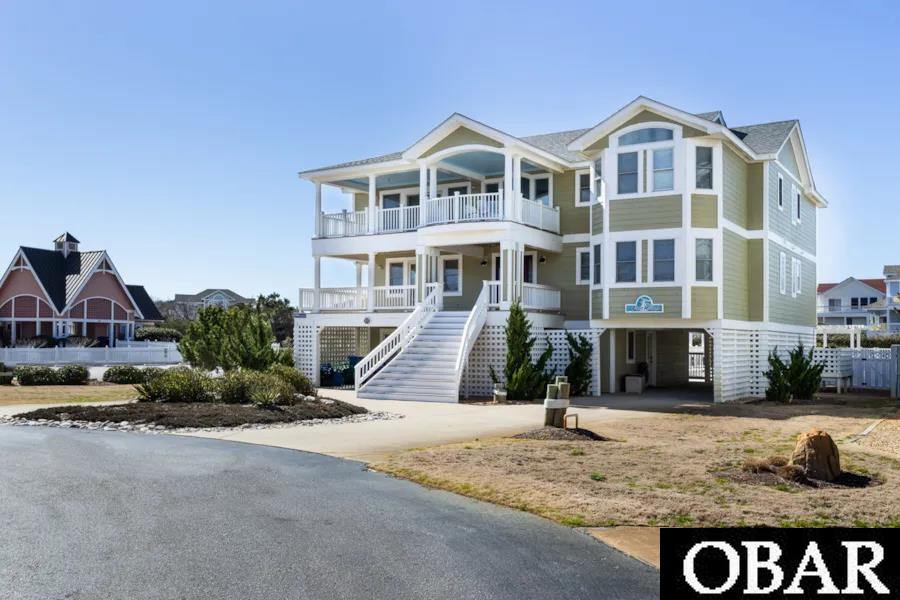
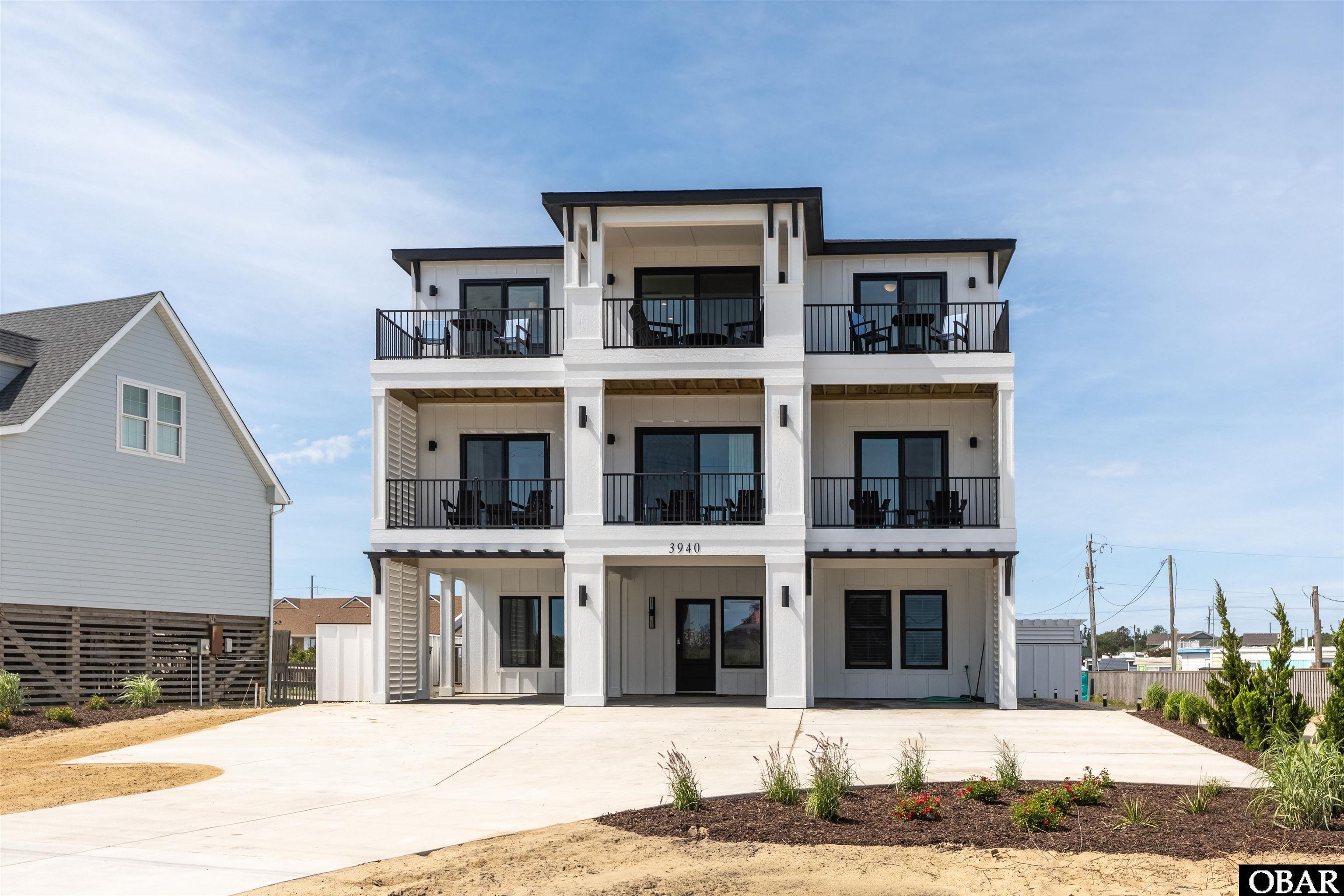
Single-family detached houses make up the bulk of what's available. You'll see everything from older coastal cottages on pilings to larger multi-story builds designed to capture water views. The range is wide, and the condition varies just as much.
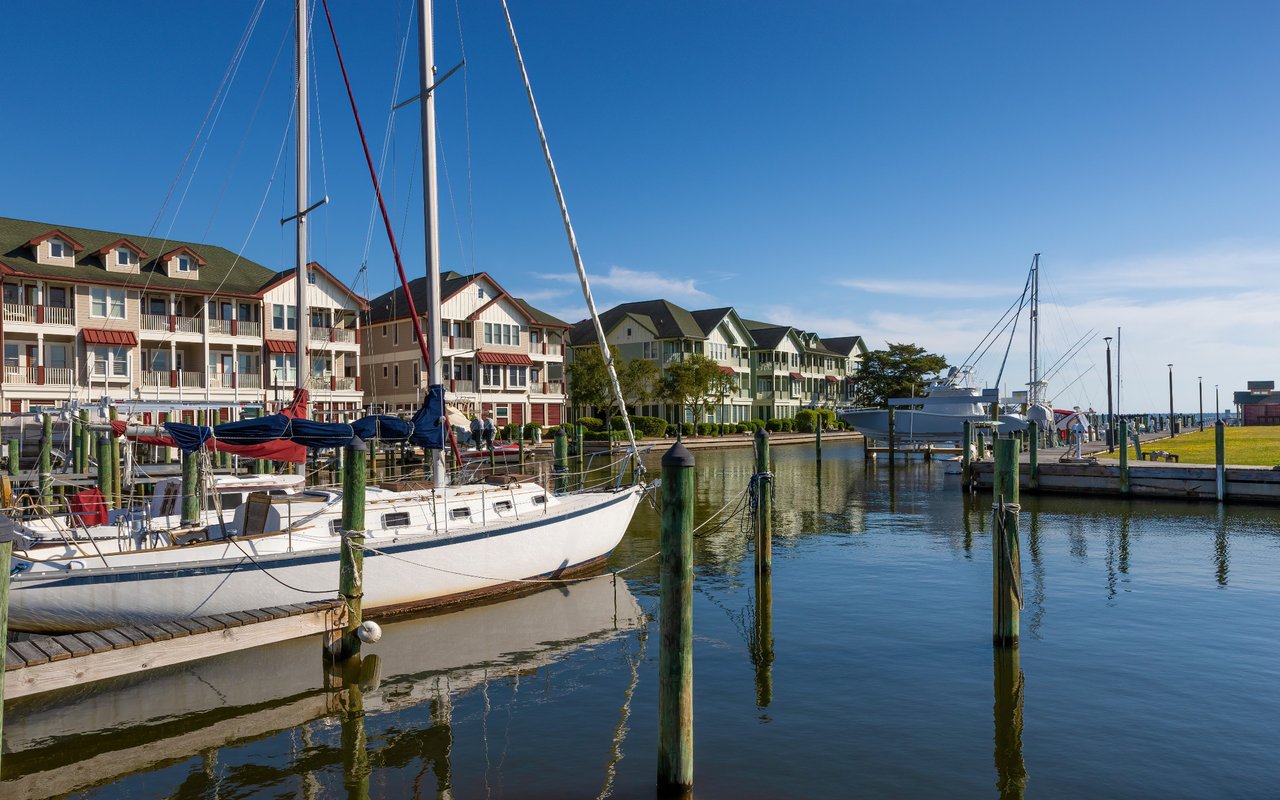
There's also a selection of condos and townhomes - attached properties that come with shared amenities and lower exterior maintenance, but also monthly HOA dues you'll need to factor into your monthly budget from the start.
Single-Family and New Construction
Most of the active listings are existing single-family homes. A lot of the older properties have been renovated at some point - updated interiors, reinforced exteriors - though the quality of that work varies. New construction does come to market occasionally, usually on infill lots or replacing an older structure. Those newer builds follow current coastal building codes, which can sometimes translate to lower insurance premiums.
Entry-Level Options
If you're working with a tighter budget, condos and smaller older homes on the west side of the major highways are where you'll find the more accessible price points. Properties on the oceanside consistently list higher.
Expect that lower-priced homes may need updates or repairs. Budget for a thorough inspection - deferred maintenance on a coastal property isn't a minor inconvenience.
Neighborhoods in Kitty Hawk to Consider
Kitty Hawk runs from the Atlantic Ocean to the Albemarle Sound, so depending on where you land, you're looking at very different environments. The eastern side means beach roads and ocean access. The western side means maritime forests, larger lots, and sound-front properties.
One named area tracked in real estate data is Kitty Hawk Beach, which features homes oriented toward water access and tends to attract vacation rental activity.
Oceanfront vs. Soundside
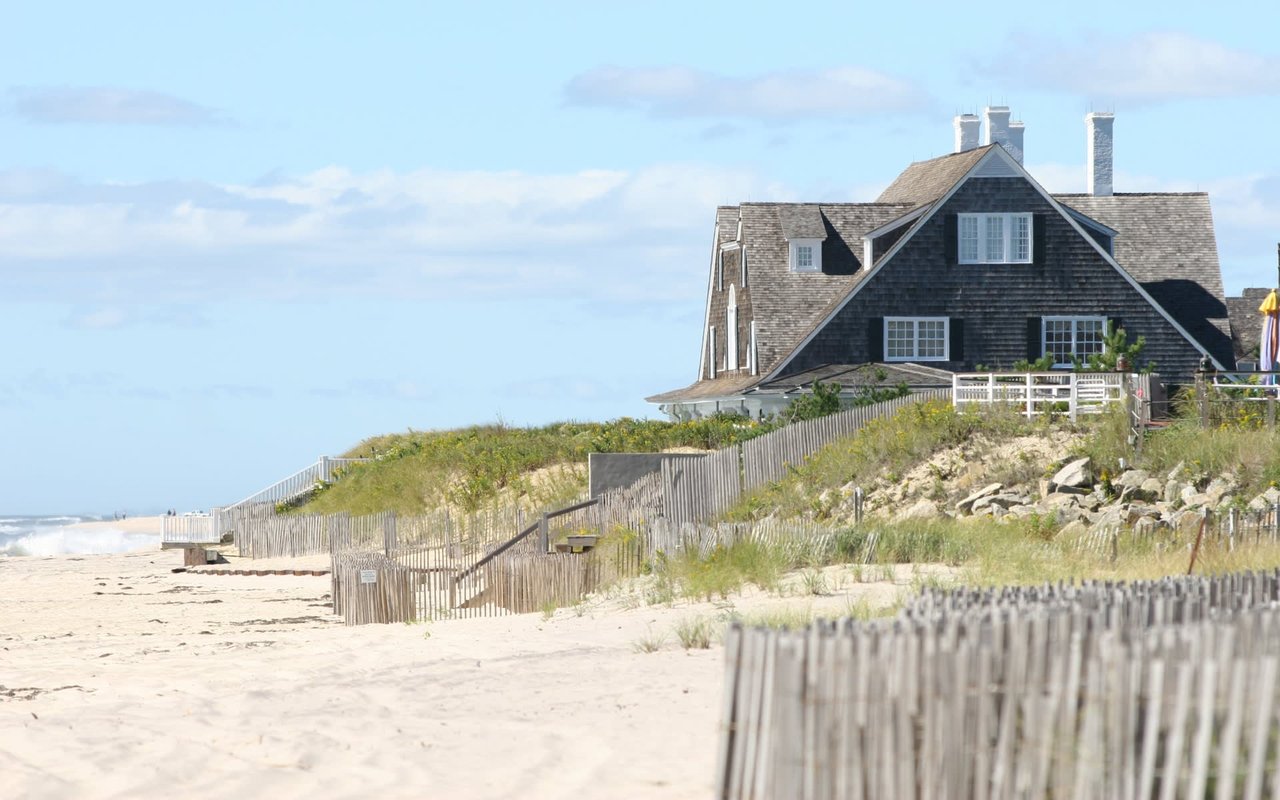
Oceanfront properties carry higher price tags and see more churn - a lot of what trades there is investment-driven. Buyers prioritizing walkability to the beach and unobstructed water views concentrate here.
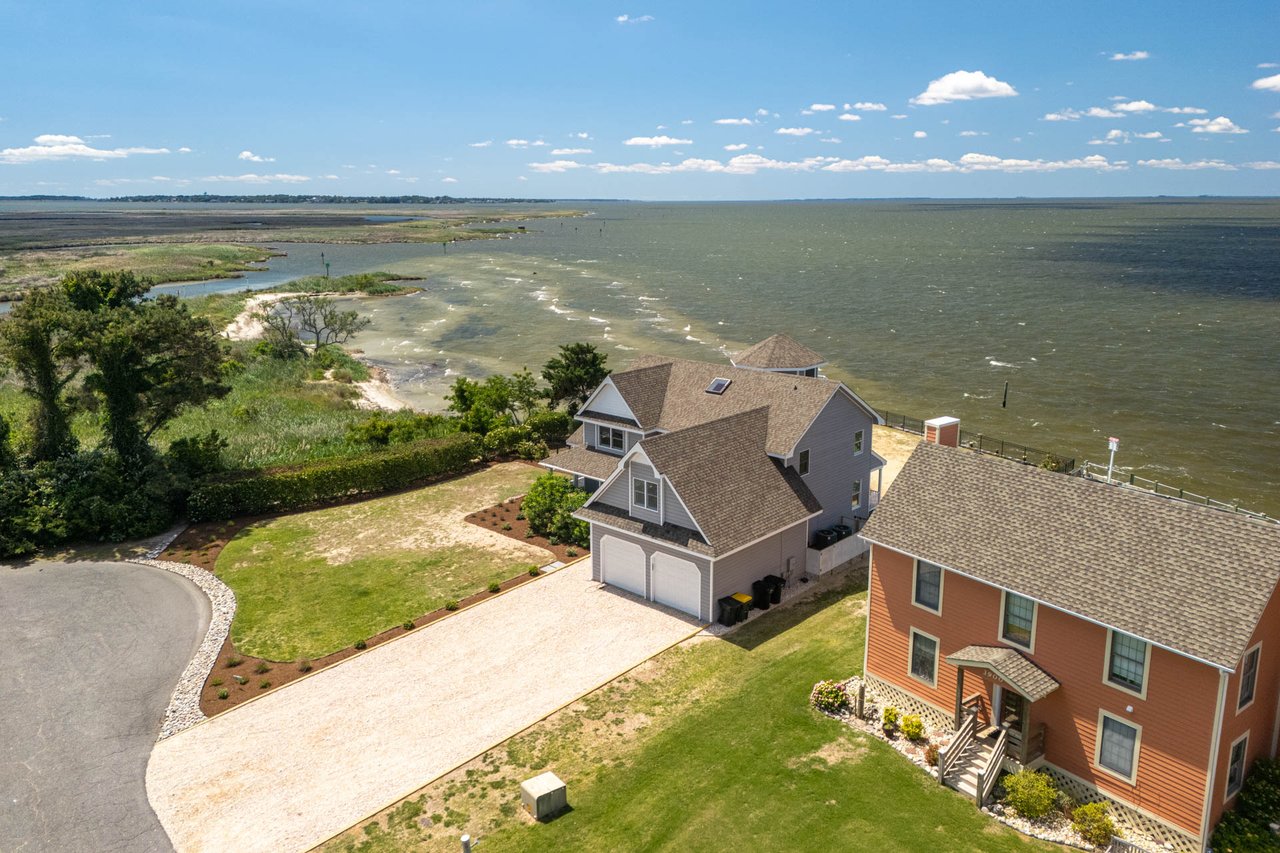
The soundside is a different proposition. Larger lots, more tree cover, a quieter setting when the summer crowds arrive. It appeals to buyers who want proximity to the water without being in the middle of peak-season traffic patterns.
Proximity to Local Landmarks
You'll notice listings frequently reference distance to local attractions. The most prominent landmark in the region is the Wright Brothers National Memorial - a 60-foot granite pylon atop Kill Devil Hill commemorating the first successful powered airplane flight on December 17, 1903. It's technically located in the neighboring town of Kill Devil Hills, but it functions as a reference point for the whole area.
Where Is Kitty Hawk, NC? Location, County, and Getting Around
Kitty Hawk is in Dare County, North Carolina, ZIP code 27949. It's one of the first towns you hit when you drive onto the northern Outer Banks, positioned between Southern Shores to the north and Kill Devil Hills to the south. US Route 158 runs through it, giving you access to the rest of the barrier islands in either direction.
Distance to Nearest Metro and Airports
The nearest metropolitan area is Norfolk-Virginia Beach, VA, roughly 64 to 80 miles north - about a 1.5 to 2 hour drive depending on the time of year and traffic. Norfolk International Airport (ORF) is the primary commercial gateway for this area. If you fly general aviation, there's also First Flight Airport right in the Kitty Hawk and Kill Devil Hills area.
Living in Kitty Hawk: Demographics and Lifestyle
The 2020 census put Kitty Hawk's population at 3,708, with more recent estimates around 3,724 year-round residents. That's a real community - not a ghost town in January. The seasonal swings are significant, but there's a permanent base here.
The climate is coastal: warm and humid summers, mild winters, outdoor living is reasonable for most of the year.
Cost of Living Considerations
Housing is the big number. With a median sale price approaching $695,000, your mortgage math needs to work alongside local property taxes. Then there's coastal homeowners insurance and wind/hail coverage - both run notably higher than what you'd pay inland, and that difference matters for your monthly budget.
Groceries and utilities track closer to national averages, though some goods cost more simply because of the island location.
Year-Round Services
Kitty Hawk isn't a seasonal-only town. Grocery stores, medical facilities, and essential services operate year-round. The town runs its own police and fire departments, along with public works handling trash collection and street maintenance. You won't need to leave the island for basic daily needs.
Finding a Real Estate Agent in Kitty Hawk, NC
Buying coastal property is a different exercise than buying in a conventional suburban market. An agent who knows Dare County specifically will understand flood zone classifications, septic regulations, and the insurance landscape - things that have real consequences for what you pay and what you can do with a property.
Interview a few real estate agents in Kitty Hawk before committing. Ask about their recent sales in the specific neighborhoods you're targeting, and pay attention to how they communicate. You'll be making decisions quickly at certain points in this process, and you want someone who's easy to reach.
Agent Commissions
Commissions are typically paid by the seller out of the sale proceeds, though buyer agency agreements have been evolving, so read whatever representation agreement you're asked to sign carefully. The fees are always negotiable and generally total between 5% and 6% of the purchase price, split between the buyer's and seller's brokerages.
Questions to Ask
Find out how many buyers they've represented in Kitty Hawk over the past year. Current, active experience in this specific market matters. Also ask for their recommendations on local inspectors and lenders - a well-connected agent can save you real time during due diligence.
The Home-Buying Process in North Carolina, Step by Step
Start with mortgage pre-approval. It tells sellers you can close, and it pins down your real budget before you fall for a property that's out of range. Once your offer is accepted, North Carolina's contract structure includes a defined due diligence period - that's your window for inspections, appraisals, and finalizing your loan.
Making an Offer and Due Diligence
North Carolina contracts include a due diligence fee paid directly to the seller. It's non-refundable - it compensates them for taking the home off the market while you do your homework. You'll also pay earnest money, which goes into escrow and gets applied to your purchase price at closing.
If you decide to walk away during the due diligence period, you lose the due diligence fee. Your earnest money comes back to you.
Inspections and Closing
Hire a licensed home inspector, and pay particular attention to exterior siding, windows, and HVAC units on any coastal property. Salt air and weather exposure accelerate wear in ways that don't show up as obviously on homes further inland.
Closing happens at a local real estate attorney's office. The attorney handles the title search, records the deed, and distributes all funds. That's standard in North Carolina.
Frequently Asked Questions
Is Kitty Hawk, NC an expensive place to live?
Relative to most inland markets, yes. The median home sale price is around $694,540, and coastal insurance premiums add meaningful cost on top of that. Day-to-day expenses like utilities and groceries are closer to national averages, though some goods run higher because of the island location.
What county is Kitty Hawk, NC in?
Kitty Hawk is in Dare County, North Carolina, which covers a large portion of the northern Outer Banks.
What towns and cities is Kitty Hawk close to, and which airport do you fly into?
Kitty Hawk sits between Southern Shores to the north and Kill Devil Hills to the south. The nearest major metro is Norfolk-Virginia Beach, VA, roughly 64 to 80 miles north. Most commercial travelers fly into Norfolk International Airport.
How much do real estate agent commissions cost in Kitty Hawk?
They generally total between 5% and 6% of the purchase price, paid by the seller from the sale proceeds and split between the listing agent and the buyer's agent.
What are the best neighborhoods to buy a home in Kitty Hawk, NC?
It comes down to what you're looking for. Kitty Hawk Beach is a recognized area with strong water access appeal. The soundside neighborhoods attract buyers who want larger lots and more of a maritime forest setting.
How long does the step-by-step home-buying process take in Kitty Hawk?
From accepted offer to closing, plan on 30 to 45 days. That window covers the due diligence period, home inspections, and mortgage underwriting.
Do I need flood insurance when buying a coastal home in Kitty Hawk, NC?
Most lenders will require it if the property is in a designated high-risk flood zone. Even if your property doesn't trigger that requirement, carrying a policy is a reasonable call for any coastal home.